

Best EMS Eye Massager for Soothing Relief and Revitalized Eyes
2026-07-27
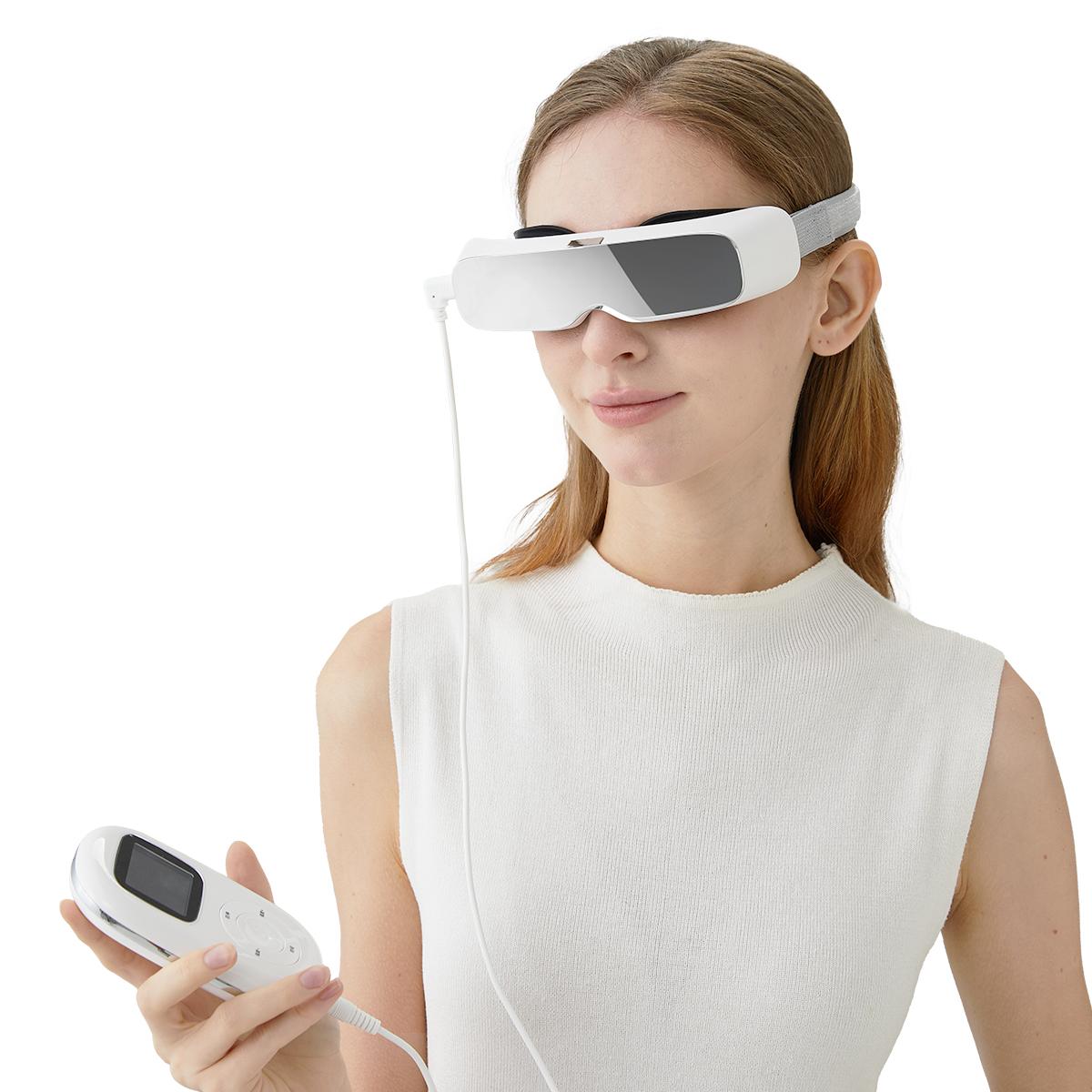
After hours of screen time, your eyes deserve more than just a quick rub. The right tool can transform tired, strained eyes into refreshed, vibrant ones. Among the options out there, GUANG TAI has quietly been winning over users with its EMS eye massager—a device that doesn’t just promise relief but actually delivers a spa-like experience at home. If you’ve ever doubted whether an eye massager could truly revive your eyes, this piece might change your mind.
A Closer Look at How EMS Eases Eye Strain
EMS technology works by sending gentle micro-currents to the muscles around your eyes, encouraging them to contract and relax in a rhythmic pattern. This mimics the natural exercise your eye muscles often miss during long hours of screen time, helping to release built-up tension that leads to discomfort.
The controlled stimulation also boosts blood circulation in the periorbital area, which flushes out metabolic waste and brings in more oxygen. Better blood flow not only reduces the feeling of fatigue but can also diminish puffiness and dark shadows, giving your eyes a refreshed, less strained appearance.
From Tension to Tranquility: The Immediate Effects
There’s a moment right at the start of practice when the chaos of the day still lingers in the mind like static. Shoulders stay tight, breath sits shallow, and thoughts chatter on without pause. But as the first conscious inhale expands the ribs and the exhale stretches long and slow, something shifts almost imperceptibly. The body, previously on high alert, begins to decode signals of safety. Muscles unclench fiber by fiber, the jaw softens, and the heart rate nudges downward. It’s not yet stillness, but the first real step away from the noise.
Within minutes, the scattered mental fragments start reorganizing. The persistent mental lists lose their urgency. Attention turns inward not as a command but as a natural response to the rhythm of breathing. Cortisol levels, spiked by the day’s demands, begin a gradual decline. There’s a lightness that creeps in, not euphoria, but a grounded awareness that the present moment isn’t something to struggle against. The breath becomes less doing and more allowing; the body finds its own cadence without force, a quiet recalibration happening beneath the surface of thought.
What surprises most people isn’t the depth of calm that follows but how accessible it feels. As if the tranquility were always there, just buried under layers of unresolved tension. The immediate shift doesn’t erase problems—it rearranges the relationship to them. Standing still, fully inside one’s own skin, becomes its own form of renewal. By the time practice ends, the transformation isn’t dramatic, but it’s unmistakable: a softer breath, a slower mind, and a quiet readiness to meet the world again without so much armor.
Why This Massager Becomes a Daily Essential
It starts as a simple curiosity—maybe a gift, maybe a late-night impulse buy—but quickly turns into that one item you reach for without even thinking. The reason is simple: it fits into the small pockets of your day where stress likes to hide. While waiting for coffee to brew or unwinding after a keyboard marathon, you pick it up and feel the knots begin to dissolve. It's never demanding or complicated, just reliably there, making tight shoulders and sore legs a thing of the past.
Over time, you notice the subtle shifts. Sleep comes a little easier. That nagging headache from hours of screen glare becomes less frequent. Even your patience seems to have a higher threshold. It's not magic—just consistent, low-effort relief that rewires how your body handles tension. You stop reserving it for “bad” days because you realize its best power lies in preventing those days from stacking up in the first place.
And then there's the versatility nobody talks about. It's not just for your neck or back; it's for the arches of your feet after a long walk, your hands after too much scrolling, even your temples when a storm front rolls in. It becomes the quiet companion that knows your body's silent complaints better than you do. That's why it earns its spot on the nightstand, the desk, the travel bag—not because it's trendy, but because it works, day after day, without asking for anything in return.
Surprise Benefits That Go Beyond Relaxation
Most people turn to relaxation techniques expecting a calmer mind, but the ripple effects often catch them off guard. A quiet moment can unexpectedly sharpen your focus, making tricky decisions feel less overwhelming. It’s like your brain gets a subtle reset, allowing you to spot solutions that were hiding behind the noise.
Beyond mental clarity, your body hums with benefits you might not link to simply unwinding. Tension eases, sure, but your digestion can improve, and that nagging headache you’ve been carrying? It often fades without a pill. Even your immune system gets a boost, as lower stress levels let it function more efficiently.
Relationships can blossom, too. When you’re less reactive and more present, conversations flow with less friction. You start to notice the small gestures you’d typically overlook, and that warmth tends to be mirrored back. It’s a quiet transformation that reaches far beyond a temporary escape.
Picking the Right Model for Your Needs
Selecting a model isn't just about picking the most powerful option available. Think about what you actually need it to do. Are you working with text, images, audio, or a combination? A model that excels at processing long documents might be overkill for simple classification tasks. Start by clearly defining your core requirements instead of getting distracted by benchmark scores that don't reflect real-world usage.
Practical constraints matter as much as capabilities. Consider factors like how quickly you need results, whether you'll run the model locally or through an API, and how comfortable your team is with fine-tuning. A smaller, optimized model often delivers a better experience than a massive one that takes seconds to respond. Budget is another piece of the puzzle — some models charge by token, while others come with fixed hosting costs. Map these operational details against your performance needs to avoid costly mismatches.
Don't underestimate the importance of testing in your own environment. A model that handles general queries beautifully might stumble on domain-specific jargon or nuanced edge cases you encounter daily. Run a handful of realistic scenarios, not just sanitized prompts, and pay attention to consistency. If the output quality varies wildly with slight rephrasing, that's a red flag. Ultimately, the right choice is the one that fits seamlessly into your workflow and reliably meets your actual, not hypothetical, requirements.
Simple Ways to Make the Most of Each Session
Before you even step into your practice space, take a moment to define what you want to achieve. Instead of vague goals like "get better," pinpoint a specific skill or concept. This clarity turns each session into a focused mission, making progress tangible and rewarding.
Distractions are the silent thieves of productivity. Put your phone on airplane mode, close irrelevant tabs, and let those around you know you need uninterrupted time. A dedicated environment signals to your brain that it’s time to work, helping you slip into a state of flow faster and stay there longer.
The real magic happens after the session ends. Spend a few minutes jotting down what clicked, what didn’t, and what you’ll tackle next. This quick reflection cements learning and creates a natural bridge to your next session, ensuring you never start from scratch again.
FAQ
An EMS eye massager uses gentle microcurrent pulses to stimulate the muscles around your eyes. This helps relax tension and improve circulation, which can make your eyes feel less strained and more awake.
Yes, these devices are designed with the sensitive eye area in mind. They use low-level electrical stimulation that's barely felt, and many come with protective silicone pads to cushion the skin. Just make sure to follow the instructions and avoid direct contact with the eyeballs.
Regular use can make a noticeable difference. The microcurrents encourage lymphatic drainage and better blood flow, which reduces fluid buildup that causes puffiness. Over time, you might see lighter dark circles as circulation improves.
Most devices recommend sessions of 10 to 15 minutes per day. Consistency is key — using it daily, especially after a long day of screen time, can keep your eyes feeling refreshed. Some people prefer a quick 5-minute boost in the morning to look more awake.
It genuinely feels relaxing, like a warm massage for your eyes. The tingling sensation from the EMS can be quite pleasant, and many users say it helps them unwind before sleep. It's not a miracle cure, but it's a comforting tool.
Unlike vibration-only massagers that just shake the surface, EMS targets the muscles underneath with electrical pulses. This deeper stimulation can relieve tension more effectively, similar to a workout for your eye muscles rather than just a superficial rub.
If you have certain medical conditions like a pacemaker, epilepsy, or eye disorders, it's best to consult a doctor first. Also, avoid using it if you have any metal implants near the eyes or open wounds on the skin around the area.
Conclusion
The EMS eye massager has redefined how we combat the creeping fatigue behind our eyes. By sending gentle microcurrents through the skin, it coaxes tight muscles to release, melting away the strain that builds from staring at screens all day. The sensation is subtle at first—a soft tapping or pulsing around the sockets—then a wave of relief spreads, as if the tension simply drains away. Within minutes, that nagging pressure behind the brow softens, replaced by a lightness that makes blinking feel effortless. It’s no wonder so many people quickly slot it into their morning or evening rituals; the immediate shift from tightness to tranquility is addictive. Before long, skipping a session feels like forgetting to brush your teeth—your eyes simply crave that reset.
Beyond the obvious unwind, these devices deliver perks you’d never expect. Many users notice fewer tension headaches, a brighter undereye area as circulation improves, and even an easier time drifting off to sleep. The key lies in finding a model that fits your face comfortably and offers adjustable intensity, so you’re never forced into a one-size-fits-all experience. To get the most from each session, try using it in a reclined position, closing your eyes and letting the heat function warm your lids if available. Pair it with a breathing exercise, or simply dim the lights—small tweaks that turn a quick massage into a deeply restorative pause in your day.
Contact Us
Contact Person: Leon Yi
Email: [email protected]
Tel/WhatsApp: +86 17363316873
Website: https://zzgt.en.alibaba.com/