

Best Fuse Holder Factory: What to Look for in a Manufacturing Partner
2026-10-09
Choosing a fuse holder supplier feels simple—until the first batch arrives with inconsistent clamping force, or worse, a thermal failure you only catch after your product ships. The truth is, most factories look fine on paper. What separates a true manufacturing partner from a one-off vendor isn't the glossy catalog; it's how they handle tolerances, traceability, and communication when things go wrong. That’s the standard SINGI holds itself to, and it’s the lens we use to guide you through the selection process. If you’re tired of crossing your fingers on every order, this guide will show you exactly what to look for—and what to walk away from.
Reading Fuse Holder Materials Before Signing Anything
A fuse holder looks simple on a drawing, but the material choices buried in the datasheet will decide whether it survives heat, vibration, or a short circuit. Before you sign off on a purchase order or a supplier agreement, pull up the actual material specification sheet—not just the marketing summary. Check the body material: phenolic, ceramic, or glass-filled polyester each behave differently under load. Ceramic can take high temperatures but may crack under mechanical shock. Phenolic is cheaper and common, but it can carbonize if a fuse runs hot too long. If the holder is going into an enclosure with tight thermal limits, this single detail matters more than the brand name.
Then look at the terminals and clips. Copper alloy with tin plating is standard, but the plating thickness and base alloy grade are often hidden in fine print. Thin plating wears through after a few fuse changes, leading to oxidation and higher contact resistance. That resistance turns into heat exactly where you don't want it. Ask for the full material declaration before signing anything. If a supplier hesitates to provide it, treat that as a risk you are about to buy.
Also compare the material ratings against your actual operating environment, not a generic assumption. A holder rated for 85°C may fail early in a panel that sees 70°C ambient plus internal heating. Look for UL or IEC material recognition, but do not stop there—trace the specific grade code. The same plastic family can have different flame retardant packages and temperature indexes. Five minutes spent reading the fine print can prevent a recall or a field failure that no warranty will fully cover.
What a Small Trial Order Reveals About Daily Output
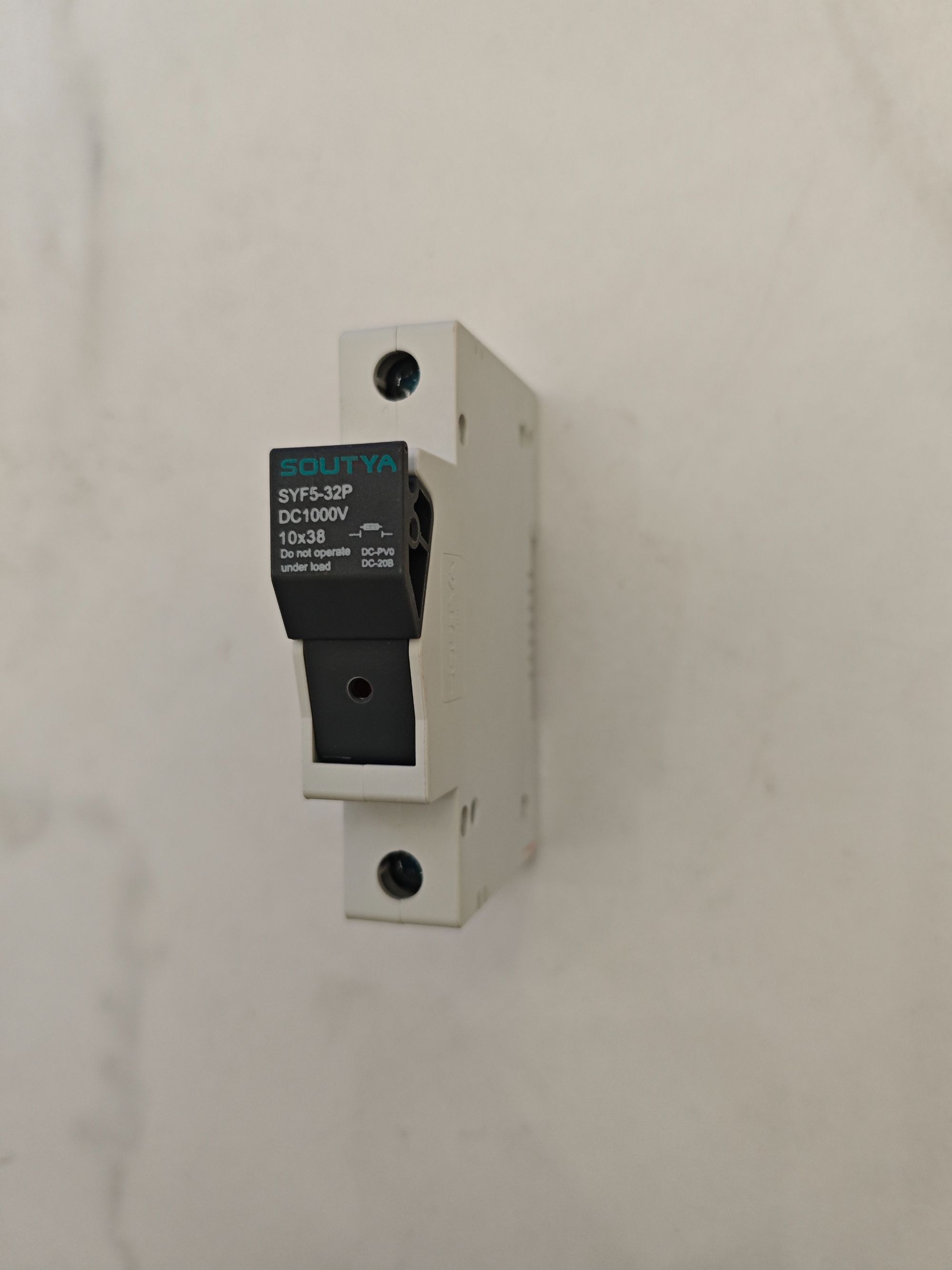
When a buyer places a small trial order, they are not just testing the product. The real information often hides in the supplier's daily output patterns. A factory that claims 10,000 units per week may only manage 3,000 when handling an unfamiliar design. The small order forces them to reveal setup times, labor allocation, and whether their equipment actually matches the advertised capacity.
Daily output is rarely a fixed number. It shifts based on material availability, machine changeovers, and the skill level of workers assigned to the line. A trial order exposes these fluctuations. For example, if the supplier ships the order in two batches but both arrive late, that is a signal that their daily throughput is inconsistent. The buyer learns more from the delays than from the final delivery.
Beyond raw numbers, a small trial order shows how a factory manages exceptions. Do they stop other production to prioritize the trial? Or do they squeeze it into idle minutes? Either approach reveals whether the stated daily output is realistic under normal conditions. This is the kind of insight that cannot be found in a supplier's brochure or a certification report.
Custom Requests That Don't End in a Waiting Game
When someone asks for a tweak that falls outside the usual menu, the last thing they want is to watch the clock while an automated system reassures them a specialist will “circle back.” The real difference shows up in how quickly a custom request becomes a conversation instead of a ticket number. It might mean pulling a developer into the chat before the customer finishes explaining the edge case, or having a support rep who can actually approve a small configuration change on the spot.
That kind of responsiveness changes the tone. A request for a non-standard integration or a slightly different export format stops feeling like a burden and starts feeling like a design input. The team behind the product learns from each variation, and the customer sees their specific workflow reflected in the next build. No endless follow-ups, no vague “we’ll look into it” that quietly expires. Just a direct line from “here’s what I need” to “here’s how we’ll handle it,” often within the same interaction.
Certifications That Still Hold Up Under Inspection
Plenty of credentials look impressive on a resume but fall apart once someone starts asking hard questions. The ones that survive scrutiny tend to share a few common traits: a rigorous exam, a governing body that actually enforces standards, and a requirement to keep learning rather than coasting on a one-time pass.
In fields like cybersecurity and project management, names like CISSP, PMP, and certain AWS certifications still command respect because they test applied knowledge, not just recall. Hiring managers and auditors often dig into how a certification was obtained, and these stand up because they demand documented experience and periodic renewal.
That doesn't mean every certification with a fancy acronym is worth your time. The real test is whether it's backed by an independent organization and whether employers in your target role actually ask for it. If a credential can't survive a simple background check or loses relevance after a year, it probably wasn't built to last.
Early Problem Signs a Good Partner Spots First
A good partner doesn’t wait for an argument to realize something is off. They notice the small pause before you answer a simple question, the way your tone flattens when a certain name comes up, or how you start saying “I’m fine” instead of telling them what actually happened at work. These early signs rarely announce themselves loudly. They show up as tiny shifts: fewer spontaneous texts, a slightly longer silence after a joke, plans that keep getting “maybe” instead of a yes.
What matters isn’t that they overanalyze every sigh, but that they pay attention to the pattern. If you usually share small details but suddenly go quiet, or if your affectionate nicknames turn into just a first name, a perceptive partner catches that before it becomes distance. They might ask, “Hey, you’ve been a little off since Tuesday,” or simply sit closer and wait. The best ones don’t push for a performance of happiness; they notice the first crack and stay present instead of pretending it isn’t there.
Pricing Assumptions That Deserve a Second Look
The belief that lower prices always attract more customers is one of the most stubborn myths in business. It feels logical on a spreadsheet, but real purchase behavior rarely follows that straight line. A higher price can quietly signal better quality, durability, or status, pulling in buyers who would have ignored a cheaper option. One software vendor raised its entry-level plan by 18% expecting churn, only to see low-value accounts leave and be replaced by customers who stayed longer and used more features. The discount-hungry crowd moved on, while the brand’s reputation among serious users actually improved.
Cost-plus pricing gets treated like a safety net: add up your expenses, tack on a margin, and assume you’re protected. That approach ignores how customers weigh alternatives and how competitors are already repositioning. If the market price for a service has dropped because a new entrant automated the process, your carefully calculated cost-plus figure becomes a liability, not a shield. On the flip side, certain products with strong differentiation can command multiples of their production cost without any customer backlash. Pricing based on internal math alone is like navigating with a map that shows only your own street.
Another assumption worth questioning is that price sensitivity is uniform across your audience. Marketing teams often model a demand curve as if every segment reacts the same way to a 5% or 10% change. In practice, a loyal subscriber who values your product’s integration with their daily workflow may barely notice a price increase, while a bargain hunter comparing five tabs might vanish over a dollar. Running small, controlled tests across different cohorts usually reveals that some groups tolerate surprising price moves, and others need targeted offers. Treating everyone as equally price-elastic leaves money on the table and alienates the wrong customers.
FAQ
Don’t settle for a generic ‘we meet standards’ claim. Ask for certificate numbers and verify them on the issuing body’s database. UL 4248-1 or IEC 60127-6 compliance matters if your product will ship internationally. Also confirm RoHS and REACH if your market is Europe.
Ask to see past custom projects, especially ones involving non-standard terminals or combined mounting. Check whether they have an in-house tooling shop and engineering team that can point out common design mistakes previous clients made. If the sales rep can’t discuss current-carrying derating or contact resistance, that’s a warning sign.
The base material should be PBT or phenolic resin, not cheap nylon that becomes brittle under heat cycles. Contact clips need to be copper alloy with silver or tin plating, never plain brass. Ask for material data sheets and whether they test for thermal aging at realistic load levels.
Fuse holder failures usually show up after thermal cycling or vibration, not at the end of the line. A good factory runs inline continuity checks and may pull samples for temperature cycling. A final inspection only catches cosmetic defects, so request per-batch test data instead of a one-time certificate.
Clarify who owns the tooling and what happens to it after the project ends. If the mold is offered for free, expect higher unit prices. Ask about mold lifespan and maintenance intervals. For a custom fuse holder, 45 to 60 days is common, but only if the factory has in-house EDM and wire-cutting capability; otherwise tooling gets outsourced and lead times stretch.
Notice whether they send a detailed technical questionnaire or just a quick quote. A serious partner asks about mounting environment, expected current, operating temperature, and replacement frequency. If those questions never come up, they care more about production volume than fit. Request a live video tour of the production line to see their setup.
Contact plating thickness, flame retardant rating, custom color or marking, and packaging method all shift the price. A reliable factory breaks down these options instead of giving one vague total. They also warn you about minimum order quantities, because setup costs dominate when volumes are low.
Lack of mold maintenance records, no batch traceability for raw materials, or constant references to a ‘sister factory’ are suspicious. A real manufacturer typically has high-speed stamping presses for terminals and injection molding machines for housings. When you see photos or videos of the shop floor, look for that equipment.
Conclusion
Choosing a fuse holder factory goes far beyond comparing quotes or flipping through a catalog. The materials inside the holder often tell the real story: cheap thermoplastics warp under load, while proper ceramic or flame-retardant bases stay stable through thermal cycling. Before you sign anything, request a full material breakdown and have it checked against your own temperature and current requirements. A small trial order is equally revealing—not just for sample quality, but for how the factory manages daily output, packaging consistency, and handling of minor variations. If ten units arrive flawless but the next hundred show tolerance drift, that gap tells you more than any brochure.
Custom requests are another filter: a strong partner responds with concrete tooling timelines and avoids endless back-and-forth by clarifying specs early. Certifications matter, but only if they survive a surprise audit or a look at the actual production line, not just a framed certificate in the lobby. Watch for early problem signs—burrs on brass contacts, uneven plating, or loose rivets—because the best factories flag these before shipping. Finally, question pricing assumptions. A unit price that seems too low may hide thinner contact material or skipped testing. A partner worth keeping will explain where costs come from and why a slightly higher quote often means fewer field failures later.
Contact Us
Contact Person: Jack
Email: [email protected]
Tel/WhatsApp: (+86) 13757759651
Website: https://www.singi.com