

Bottom Pull Facial Tissue Machine Company That Keeps Production Running Smoothly
2026-10-09
What if your bottom pull facial tissue machine could run a full shift without a single stoppage? For many plants, that sounds like a fantasy—until they switch to DAXIN. The company has built its reputation on one simple promise: keep production running smoothly, no exceptions.
The Pull That Never Stops
The Pull That Never Stops isn't loud. It doesn't grab you by the collar. It's more like a quiet hum at the base of your skull, a low-frequency tug that says just one more look. You close the app, then find it open again three minutes later without remembering the decision. That's the trick: the pull doesn't need your consent, only your divided attention.
Most people assume it's about pleasure, but that's not quite right. The real driver is the possibility of pleasure. Not knowing whether the next refresh will bring a hit or a blank keeps the loop alive. It's the same mechanism that makes a slot machine hard to leave, except now it lives in your pocket and never powers down. The gap between what you hope for and what you get is where the pull does its work.
Breaking free rarely happens through willpower alone. You have to notice the exact moment the pull starts, before your hand moves on its own. Name it, even out loud if you have to. Then give yourself a tiny delay: stand up, take one breath, look at something that isn't a screen. The pull won't disappear, but you can learn to feel it without obeying it. That's not weakness. That's practice.
No Jams, No Stalls, No Excuses
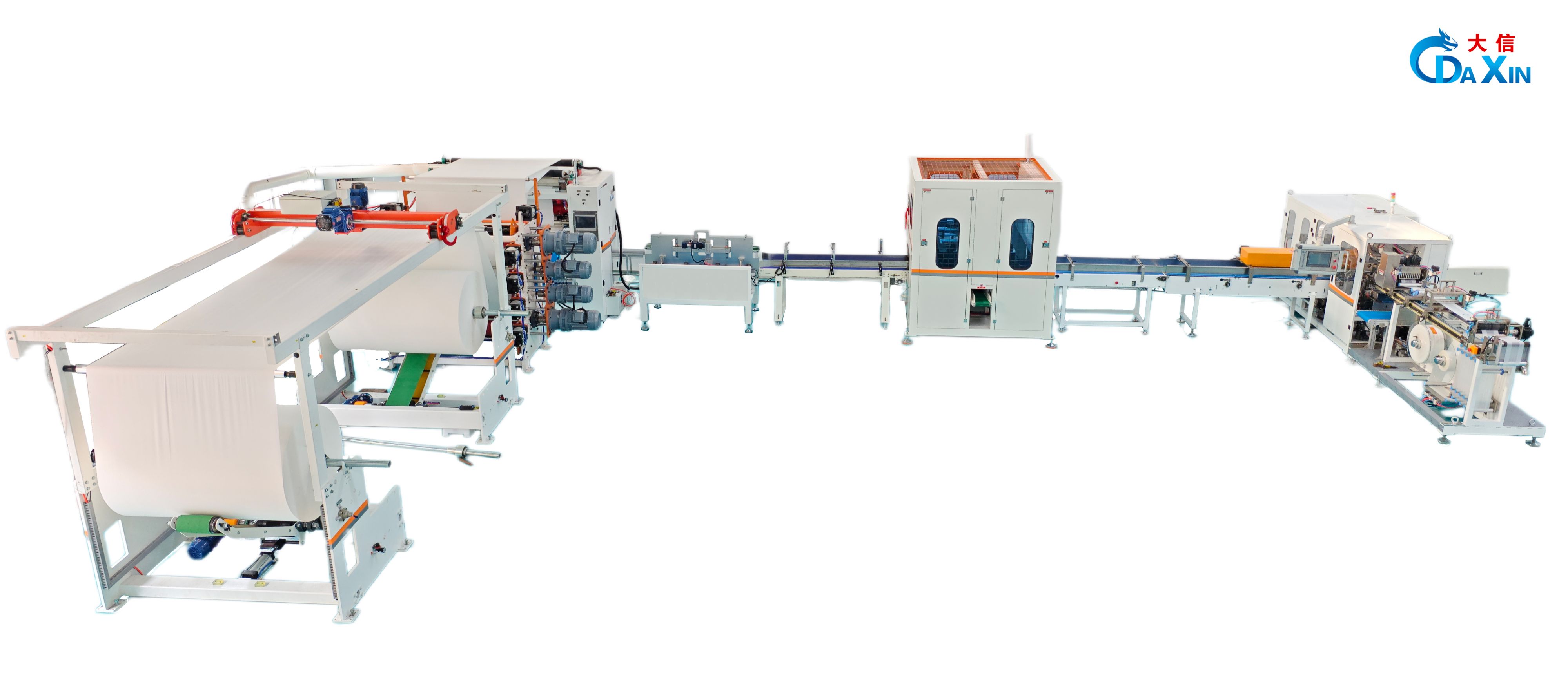
The promise is simple: a system that runs without interruption, where clogs and slowdowns simply don't happen. When you rely on a tool every day, any hesitation or blockage costs more than time—it breaks your focus and invites frustration. That's why the design here starts with a zero-tolerance policy for bottlenecks, ensuring every cycle completes as smoothly as the first.
Achieving this means rethinking the usual weak points. Instead of adding more power to push through problems, the approach removes the conditions that create them in the first place. Clearances are sized for real-world loads, not just ideal ones. Material flow is guided, never forced. The result is a process that doesn't need constant monitoring or emergency fixes.
Ultimately, the goal isn't just performance—it's reliability you can plan around. When there are no jams to clear and no stalls to troubleshoot, the excuse "the machine was down" disappears from your vocabulary. You're left with a straightforward, repeatable rhythm that lets you focus on the actual work, not the machinery between you and it.
What Keeps the Tissue Flowing at Full Speed
Maintaining a steady, high-speed flow of tissue through the converting line comes down to a combination of precise tension control and real-time monitoring. Operators rely on sensors that measure web tension at multiple points, adjusting the unwind and rewind speeds automatically to prevent breaks or wrinkles. Even a tiny fluctuation in tension can cause a jam that brings the entire line to a halt.
The quality of the parent roll also plays a huge role. Rolls wound with uniform density and a consistent profile feed more smoothly into the converting equipment, reducing the need for manual adjustments. Any variation in thickness or moisture content across the sheet will show up quickly as flutter or misalignment, so mills invest heavily in upstream processes to keep the sheet stable.
Finally, proactive maintenance keeps everything moving. Rather than waiting for a bearing to fail or a blade to dull, crews track vibration, temperature, and wear patterns to schedule interventions during planned downtime. This shift from reactive to predictive maintenance means fewer unexpected stops and a line that truly runs at full speed for longer stretches.
Built for the Long Haul, Not the Showroom
The first thing you notice about most showroom pieces is how carefully they avoid being touched. Ours is the opposite. Every surface is meant to be handled, knocked against a doorframe, tossed into a bag, and still come back looking like it belongs. We chose materials that age with character rather than fall apart quietly.
Testing here isn't a photo shoot. We run cycles that mimic years of real abuse: hinges opened and closed past the point of boredom, edges rubbed raw, temperatures pushed from freezing mornings to summer trunk heat. If a material can't survive that without complaining, it doesn't make the cut. It's a simple filter, but it eliminates most of what you'd find in a polished display case.
What you end up with is the kind of reliability you stop thinking about. No babying, no special storage, no quiet worry about the first scratch. It just works, month after month, and the marks it picks up tell a story instead of ending one. That's the difference between something made to be admired and something built to be used.
The Maintenance Trick That Avoids Midnight Calls
Midnight calls rarely come out of nowhere. The water heater that floods the basement at 2 a.m. almost always gurgled for a week first; the AC unit that dies during a heat wave had been short-cycling since March. The maintenance trick that actually prevents those calls is a monthly, no-tools walkthrough where you listen for new sounds, look for tiny drips, and write down whatever seems off—even if it doesn't fail today.
Don't turn this into a complicated checklist. Use a spiral notebook or a notes app and date every entry. After two months you'll see the pattern: the sump pump runs longer after heavy rain, the fridge compressor kicks on more often when the garage gets hot, the basement door sticks only when humidity climbs. Those small clues are cheap to fix on a Tuesday afternoon and wildly expensive to ignore until Friday at midnight.
The trick only works if you treat the walkthrough like a recurring bill—immovable and boring. Put it on your calendar, stick a reminder inside the breaker panel, and keep a drawer stocked with common replacements like filters, washers, and belts. You won't stop every surprise, but you'll eliminate the predictable ones. And the predictable ones are what wake you up in the dark.
A Smooth Line Starts With the Right Machine
Many people assume that a steady hand is all it takes to produce a clean, continuous line. In reality, the machine behind the motion plays a far larger role. Cheap or poorly maintained equipment introduces tiny vibrations and inconsistencies that no amount of operator skill can fully correct. If you want a line that flows without wobbles or breaks, start by examining the machine itself.
The key lies in how the moving parts are built and balanced. Linear rails that are properly aligned, a spindle or pen holder with minimal runout, and motors that accelerate smoothly without jerk all contribute to line quality. Even small things like belt tension or bearing wear can create visible artifacts. Machines designed for precision often include heavier castings, better dampening, and higher-resolution feedback systems, which keep the tool exactly where it should be.
Rather than chasing better technique first, take a close look at your current setup. Tighten loose components, replace worn guides, and consider upgrading to a machine with a stronger frame and smoother motion control. A small investment in the right hardware often does more for line smoothness than hours of practice ever could. Once the machine moves predictably, the lines it produces will follow.
FAQ
Friction points matter more than people expect. Our machines use a curved guide channel instead of sharp bends, so the tissue glides out without bunching. The bottom pull mechanism also keeps the next sheet tucked under the dispenser lip, which prevents double pulls.
We keep a running stock of high-wear parts like tension springs and feed rollers in our regional hubs. If something does fail, most replacements ship within 24 hours, and our techs can usually walk your crew through the swap over a video call.
Yes, but you don't need a full tool swap every time. The folding plates and pull rollers adjust with hand knobs, so switching from 2-ply to 3-ply or changing sheet length takes about ten minutes. Templates for common sizes are etched right on the frame.
The biggest issue is paper dust collecting on the sensor eyes. A quick wipe with a dry microfiber cloth every shift prevents most false stops. We also recommend greasing the cam followers every 200 running hours, which takes less than five minutes.
We run it for eight hours straight with the customer's actual tissue stock, not a lab sample. That catches things like static buildup or inconsistent roll tension. Every machine ships with a log of the run, including pull speed and jam count.
We include a half-day on-site training when the machine is installed. We also keep short video guides on a private portal, organized by task rather than manual chapters, so someone can refresh themselves on clearing a misfeed without digging through pages.
Top pull machines rely on the sheet's tensile strength to drag the next one up through a narrow slot, which stretches the paper. Bottom pull lets the sheet drop naturally after separation, so the perforation isn't under tension at the moment of pull. That reduces tearing even with softer tissue.
Conclusion
When a facial tissue line runs on bottom-pull technology, the real test isn't the spec sheet—it's whether the machine keeps pulling hour after hour without demanding attention. The pull that never stops comes from a feed system designed around one thing: constant, snag-free motion. No jams, no stalls, no excuses isn't a slogan here; it's what the operators see on the floor. The tissue flows at full speed because every roller, belt, and guide is positioned to eliminate the small misalignments that usually turn into downtime. Instead of nursing a finicky line, crews stay focused on output, and that changes the whole shift.
What really keeps production smooth is the difference between a machine built for the long haul and one that only looks good in a showroom. The frames are heavier, the bearings are oversized, and the wear points are designed to be serviced in minutes, not hours. The maintenance trick that avoids midnight calls is simpler than people expect: easy access to the parts that actually need checking, with clear wear indicators instead of guesswork. A smooth line starts with the right machine—one that doesn't just run fast on day one but keeps that pace for years. That's the bottom-pull standard worth holding onto.
Contact Us
Contact Person: Sam Xie
Email: [email protected]
Tel/WhatsApp: 86-18938538530
Website: https://www.daxin321.com/