

China CNC Parts: A Comprehensive Guide to Sourcing Precision Machined Components
2026-10-09
China's CNC machining sector produces millions of precision parts every day, yet sourcing the right ones remains surprisingly hit-or-miss. Too many buyers discover the hard way that a low quote can hide loose tolerances, bad surface finishes, or communication gaps that stall projects for weeks. This guide strips away the guesswork. We cover what actually matters when evaluating suppliers—material certifications, inspection reports, real lead times, and the questions that separate dependable workshops from the rest. You'll also see how BOYIKUN approaches these challenges, offering a straightforward route to components that meet your specs without the usual surprises.
Navigating China's CNC Parts Market Without Trial and Error
Sourcing CNC parts from China often feels like a gamble: suppliers tout flawless precision, yet the first batch arrives with tolerances drifting like a lazy river. The usual advice—request samples, compare quotes, negotiate hard—still leaves you stuck in a cycle of guesses and rework. What actually shifts the odds is looking beyond the spec sheet. Start by asking how a shop handles repeatability across a full production run, not just a one-off prototype. The honest ones will talk about tool wear compensation, in-process measurement, and their scrap rate over the last six months. If the answer is a vague “we always do our best,” walk away.
Another common trap is treating price as the primary signal. A quote 20% below the next bidder rarely means they’ve mastered efficiency; more often it means they’re cutting corners on material certification, surface finish, or post-machining deburring. Instead of chasing the cheapest number, anchor your evaluation around total landed cost—freight, customs delays, rework hours, and the time you spend micromanaging a supplier who doesn’t document their process. A mid-range quote with a supplier who sends daily quality logs and photos of the first article inspection will save you more than any bargain.
Finally, build a short but disciplined trial protocol that separates talk from capability. Send the same drawing to three shortlisted shops, but remove all surface finish callouts and tolerance notes on one version. Then compare what they machine and what questions they ask. A skilled shop will request clarification or flag the risky dimensions before cutting metal; a careless one will ship you parts that meet the loose drawing and hope you don’t notice. This simple test, repeated across a few part families, teaches you more about a supplier’s engineering judgment than a stack of glossy brochures ever will.
Reading Between the Lines of Tolerance Specs
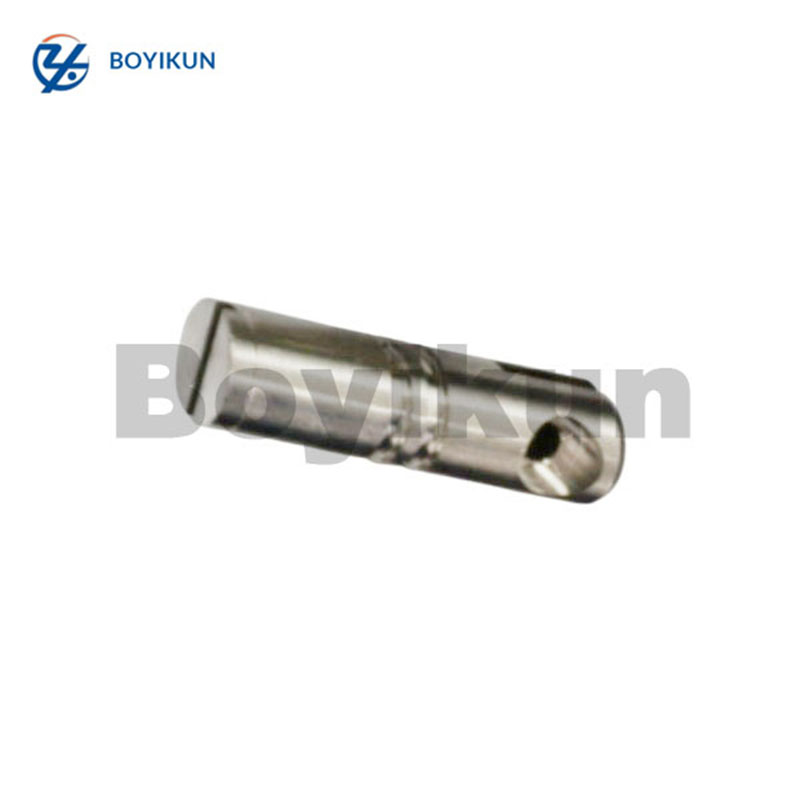
Tolerance specs often look like hard numbers, but they hide a web of assumptions about measurement method, reference temperature, and surface condition. A stated ±0.05 mm might be checked with a coordinate measuring machine in a climate-controlled lab, while the same part on a shop floor after a hot afternoon could fall visibly outside the line. Reading between the lines means recognizing that the boundary between pass and fail is not a razor edge but a zone shaped by context and instrumentation.
Stack-up calculations add another layer of hidden meaning. Designers sometimes treat every tolerance as an independent normal distribution, but real manufacturing processes can be skewed, bimodal, or drifting with tool wear. A drawing that looks safe on paper may produce binding or looseness once the parts are assembled, because the true interaction is not captured by a simple sum of worst cases. The unspoken questions matter: which datum is actually used on the fixture? How is form separated from waviness or roughness? What happens at maximum material condition versus least material condition?
Experienced engineers treat tolerance specs as a compact between intent and reality, and a vague compact invites trouble. If the spec doesn't state the inspection environment, the sampling rate, or the accepted methods for resolving borderline readings, then every lot can become a negotiation. Reading between the lines is not about gaming the numbers; it's about spotting where the spec stays silent and deciding whether to tighten the design, adjust the process, or have a direct conversation with the customer before those silences turn into costly returns.
Spotting Suppliers Who Actually Own Their Equipment
A supplier that genuinely owns its machinery brings a level of accountability you simply won't find with a middleman. If a breakdown happens on their floor, they feel the pressure to fix it fast—not just forward your complaint to some third-party workshop. Look for direct language about in-house production, real photos of their facility, and a willingness to arrange a live video walkthrough. These are practical signals that they aren't renting gear by the hour.
One quick way to separate owners from brokers is to ask about maintenance schedules or specific machine models. An actual equipment owner can usually rattle off details about tolerances, downtime history, or upgrade plans without pausing to check with someone else. Also pay attention to how they handle custom requests—if they can adjust tooling or run a special material test within days, that speed often comes from having the equipment sitting right there. Brokers, by contrast, tend to give vague timelines and promise to 'check with the factory.'
Don't underestimate the value of a surprise visit, even if it's virtual. A supplier that owns their equipment will rarely hesitate to show it running. Ask for a timestamped video or a quick call from the shop floor. If the camera work feels staged or they keep dodging the request, that's a red flag. True owners take pride in their setup and usually want you to see it—because the machines are their core asset, not just a line item on a quote.
Hidden Costs That Show Up After the Quote
The number on the quote rarely matches the final invoice. Freight, packaging, customs brokerage, and fuel surcharges often get tacked on after you've already approved the order. Some suppliers wait until the goods are ready to ship before mentioning a "warehouse handling fee" or a "documentation charge" that wasn't in the original breakdown.
Then there are the less obvious ones: re-inspection costs if the first batch fails quality control, bank transfer fees on both ends, and storage charges when your container arrives before you've secured a delivery slot. Ask for a line-by-line breakdown of every possible add-on before you pay a deposit, and get confirmation in writing that no new charges will appear without your approval.
On-the-Ground Inspection Tactics That Work
Walking a site with a fresh set of eyes beats any desk review. The trick is to slow down and actually look at the details most people skip. Check the corners where two materials meet, the way water drains after a light rain, and whether the finishes match the approved samples. Bring a simple checklist, but don't let it turn into a rigid script. Some of the best catches come from unplanned pauses: kneeling to inspect a joint, running a hand along a surface, or comparing the as-built layout against the drawings on the spot.
Another tactic that pays off is documenting as you go with short, candid notes and photos taken from the same angle each visit. This builds a visual timeline that reveals slow drift from the spec. Instead of praising or blaming on the spot, ask the crew what they would do differently. Their answers often expose real field issues that never make it into progress reports. And when you spot a defect, mark it lightly with tape or chalk, then log the exact location. That small habit changes the conversation from vague complaints to fixable items.
Finally, vary the time of day you inspect. Early morning light shows surface imperfections that midday glare hides. A late afternoon walk can reveal how shadows from neighbouring structures affect interiors. Pair these walks with a simple rule: never leave a site without three written observations, even if two turn out to be minor. This keeps the inspection honest and stops the common trap of seeing only what you expected to see.
Locking In Consistent Quality for Repeat Orders
Repeat customers don't come back just for the product—they come back because they know exactly what they're getting. That kind of trust isn't built by chance. It comes from locking in consistent quality at every stage, from raw material checks to final inspection. When your buyers can rely on the same feel, finish, and performance across every shipment, reordering becomes automatic.
One practical way to achieve this is by documenting your internal tolerances and keeping them tighter than the industry norm. Pair that with batch-level testing and a clear change-control process, so any shift in supplier or method gets flagged before it reaches the customer. Small variations might seem invisible, but repeat buyers notice them fast—and inconsistency is the fastest way to push them toward a competitor.
Finally, don't underestimate the value of production line photos, sample retention, and honest communication about lead times. These aren't just nice touches; they're proof that your quality system is repeatable. When a repeat order arrives, your team should be able to match the approved sample without guesswork. That's what turns a one-time purchase into a long-term supply relationship.
FAQ
A lot of it comes down to cost and capacity. Chinese shops often have lower labor and overhead, so unit prices can be 30-50% cheaper even after shipping and import duties. They also tend to have more multi-axis machines under one roof, which means complex geometries don't force you to split the job across multiple vendors. Lead times can be surprisingly short if you work with a shop that stocks common aluminum and steel grades.
Start by asking for a documented quality manual and recent inspection reports, not just a website portfolio. Request a sample batch of a part you already produce elsewhere, then measure critical dimensions yourself or through a third-party lab. Video calls showing the shop floor, machine list, and QC area are useful, but also check their export history—suppliers with repeat customers in your industry are less likely to cut corners. Finally, use a small trial order before committing to volume.
Most established shops hold ±0.005 inches (0.13 mm) on milled and turned features without trouble. Tighter tolerances down to ±0.001 inches (0.025 mm) are common on critical bores or bearing fits, but you should specify them clearly on the drawing and expect a slight price premium. Avoid blanket tight tolerances across the whole part—that's where mistakes and cost overruns creep in. Always ask for a capability list if you have anything below ±0.0005 inches.
Aluminum alloys like 6061 and 7075 are the sweet spot because they machine fast, are widely stocked, and ship light. Brass and stainless steel (303, 304, 316) are also readily available and often significantly cheaper than Western sources. For plastics, POM and PEEK are common, but PEEK prices can vary wildly by brand—specify the exact grade or accept a local equivalent only after testing. Exotic alloys like titanium are available but may not offer the same savings unless the shop specializes in them.
Don't rely on the supplier's in-house inspection alone. For the first shipment, hire a third-party inspection service in China to check dimensions, surface finish, and material certs before parts leave the factory. Keep your own incoming inspection with calibrated tools, and compare those numbers to the supplier's report. If there's a discrepancy, address it before the next order. After two or three clean shipments, you can reduce third-party checks to random audits.
Beyond the unit price, watch for tooling fees, packaging charges, and bank transfer costs. International shipping can swing from a few hundred dollars for a small box to thousands for palletized parts, and don't forget customs duties and brokerage fees. Some suppliers quote EXW, which means you arrange and pay for freight—often more expensive than their negotiated rates. Ask for a DAP or DDP quote to compare total landed cost, and clarify who owns the design files and any fixture tooling.
Many shops actively take prototype and low-volume orders because it leads to larger production later. You can get 5 to 50 pieces without a huge setup fee if the part doesn't need custom fixtures. The key is to find a supplier that has a dedicated prototyping cell rather than one that only runs high-volume lines. Expect longer per-piece machining time, but the overall cost is still usually lower than local prototyping services.
Send a STEP or IGES file along with a PDF drawing that includes tolerances, surface finish, thread specs, and material grade. If you have critical dimensions, mark them with inspection callouts. For parts with special finishes like anodizing or passivation, specify the standard (e.g., MIL-A-8625 Type II) and color. Also tell the supplier the annual quantity you expect, even if it's a rough estimate, because it changes how they plan tooling and cycle time.
Conclusion
Sourcing precision machined components from China doesn't have to be a gamble if you know what to look for. Instead of sending the same RFQ to a dozen suppliers and hoping for the best, start by reading tolerance specs closely—many shops quote tight tolerances they can't hold without extra setups, and that gap shows up in your parts later. A better filter is to ask whether the supplier actually owns their CNC machines or brokers orders out; owner-operators tend to control scheduling and quality far more tightly.
Even with a solid quote, hidden costs like packaging, shipping, and rework charges can erode your savings, so pin down every line item before you commit. If the order size justifies it, an on-the-ground inspection—or a trusted local contact—can reveal things photos won't, from machine maintenance to raw material storage. For repeat orders, the real test is whether the supplier can hold the same tolerances and finishes on the tenth batch as they did on the first; locking that in with a clear quality agreement and regular checkpoints beats chasing the lowest price every time.
Contact Us
Contact Person: Xianchen Hu
Email: [email protected]
Tel/WhatsApp: 86-13248645200
Website: https://www.hexnb.com/