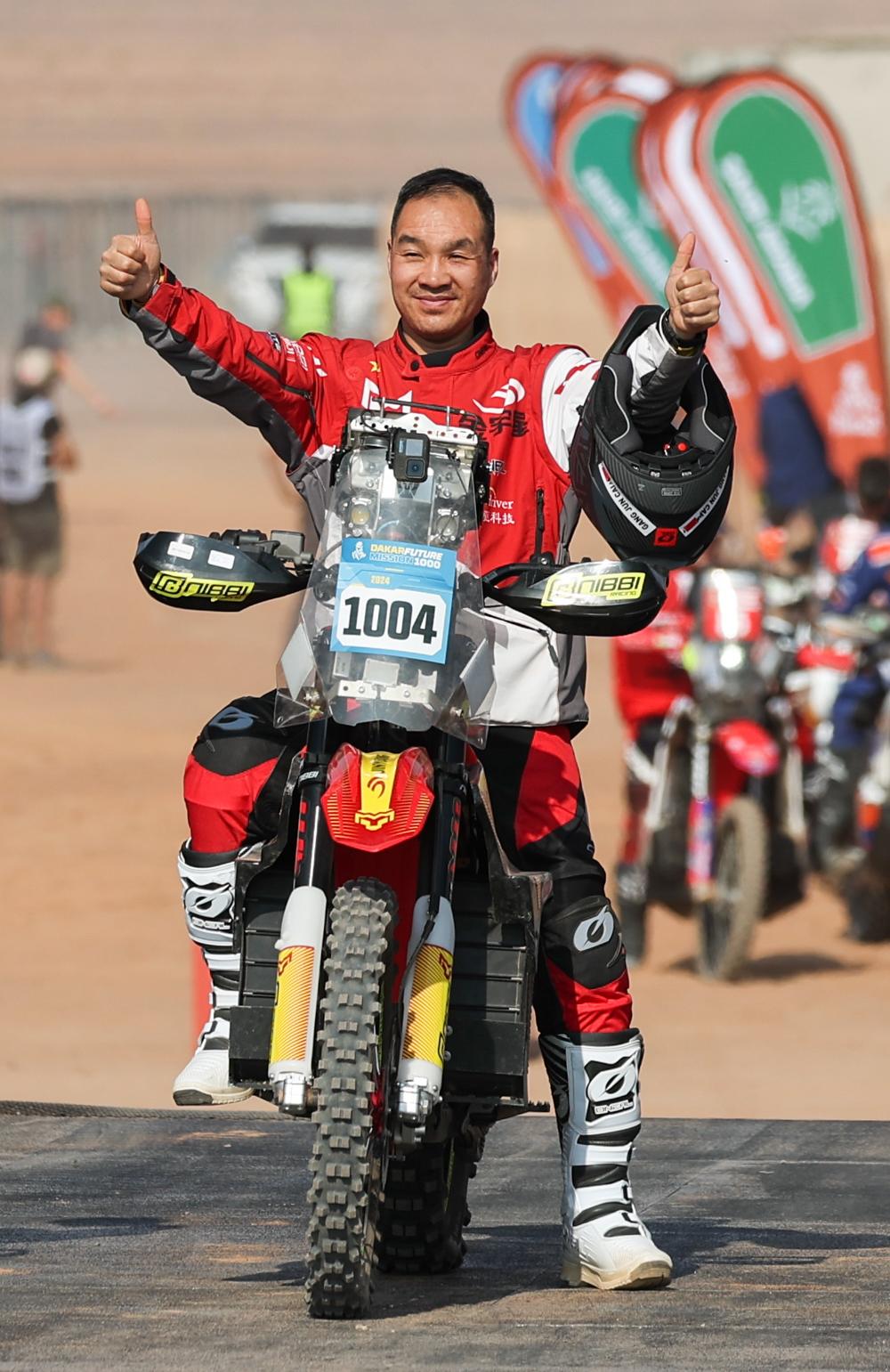

China Electric Dirt Bike: The Ultimate Off-Road Game Changer
2026-10-19
Forget everything you thought you knew about off-road riding. China's electric dirt bikes are rewriting the rulebook, and one name is leading the charge: Arctic Leopard. Here's why this machine is the ultimate game changer.
Electric torque is quietly reshaping what riders expect from a dirt bike
Twist the throttle on a modern electric dirt bike and the first thing that hits you isn't noise—it's the absence of it. That silence lets the torque speak in a language most riders have never heard from a combustion engine. There's no clutch feathering, no waiting for revs to climb, no that narrow powerband you have to hunt for. Instead, the full twist of force arrives the instant your wrist moves, pulling the rear tire through loose loam or up a rock ledge with a kind of relentless, almost eerie smoothness.
That immediate, linear shove changes line choice and body position. On a gas bike, you often ride the clutch to modulate wheelspin on slick roots or deep sand. On an electric, you modulate with the throttle alone—and the motor responds in milliseconds, making traction feel less like guesswork and more like a direct extension of your right hand. Riders who once swore by the braap of a two-stroke are now talking about how much later they can brake into corners, how much sooner they can get on the gas, and how the lack of engine braking lets the rear wheel float over chop instead of digging in.
The quiet part is just as transformative. Without a screaming exhaust, you hear the tires working, the suspension cycling, the tiny rocks pinging off the skid plate. That feedback loop makes you a more precise rider faster. And because the motor's torque curve is essentially flat from zero rpm, technical climbs that once demanded a fan of the clutch and a prayer now feel almost surgical—just lean back, feed in power, and let the bike crawl up things that would stall most gas engines. It's not replacing the old thrill; it's rewriting what thrill means.
Chinese manufacturers are no longer just copying—they’re setting the pace
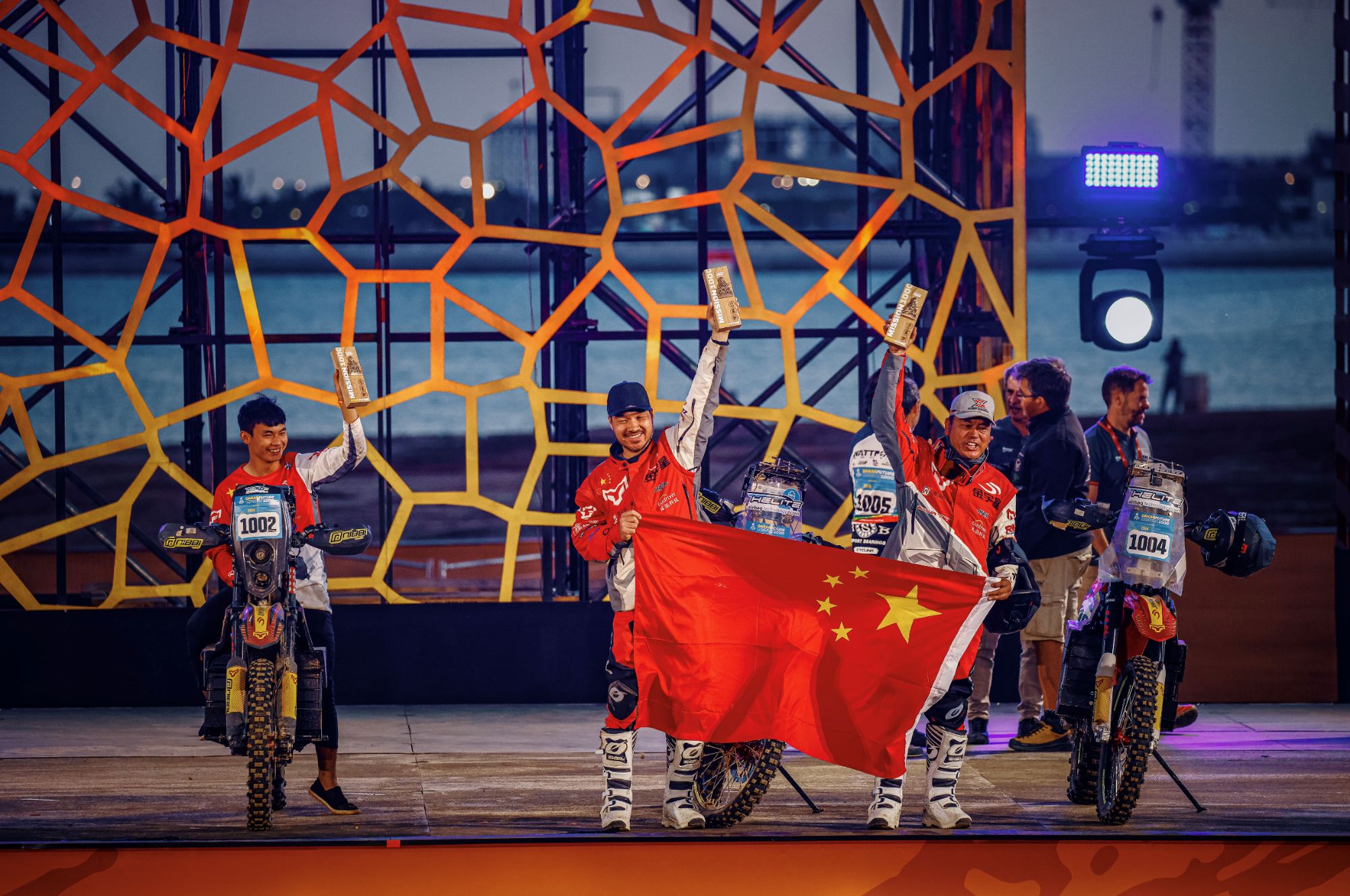
Walk through any electronics expo in Shenzhen or scroll through the latest industrial equipment listings, and the shift is unmistakable. The era when Chinese factories primarily churned out low-cost versions of foreign designs is fading fast. Today, firms are rolling out entirely new product categories, refining production methods that others later adopt, and filing patents at a rate that forces global competitors to take notice. It's not about imitation anymore; it's about defining what comes next.
This change shows up in unexpected places. Battery technology from companies like CATL doesn't just match Korean or Japanese rivals—it often leapfrogs them in energy density and charging speed. Consumer electronics brands such as DJI didn't start by cloning drones; they created the mainstream drone market almost from scratch, leaving Western firms scrambling to catch up. Even in traditional manufacturing, Chinese automation suppliers now design robotic systems and smart factory software that European and American plants quietly import.
The underlying drivers are structural, not accidental. Massive domestic demand gives companies a testing ground where they can iterate quickly without waiting for overseas feedback. A deep pool of engineering graduates, combined with aggressive government support for R&D, means problem-solving happens at a pace that legacy manufacturers find hard to match. And as supply chains localize everything from semiconductors to specialty alloys, the old model—foreign innovation, Chinese replication—no longer describes the actual flow of ideas.
Battery packs that shrug off mud, dust, and long backcountry rides
If your rides regularly end with a layer of grit caked onto every surface, a battery pack that whines about a little dirt isn't going to cut it. These units are sealed tight against dust and mud, with ports that stay covered when not in use and casings that shrug off scrapes from trail debris. You can drop one in a puddle, rinse it off at a stream crossing, and keep riding without worrying about corrosion creeping in.
Long backcountry days demand more than just ruggedness—they need a battery that won't die halfway through a forgotten forest road. The packs here pair high-capacity cells with smart power delivery, so your GPS, phone, or action cam stays alive from dawn patrol to after-dark singletrack. No fiddly buttons, no fragile seams, just a brick of stored energy that handles vibration, temperature swings, and the occasional airborne tumble.
What sets the best of these apart is how they disappear into your setup. They charge fast from a solar panel or dynamo hub, mount cleanly under a top tube or inside a frame bag, and don't add noticeable weight to a bikepacking loadout. Whether you're grinding through a week-long traverse or just hate cutting a ride short because your head unit died, these battery packs treat mud, dust, and endless miles as background noise.
Why hill climbs feel almost unfair on a well-tuned electric motor
The moment the road tilts upward, a well-tuned electric motor shrugs off gravity like it's barely there. There's no downshift, no rising revs, no waiting for a powerband to wake up. Instead, full torque arrives the instant you press the pedal, and the hill simply becomes a change in scenery rather than a challenge.
That brutal, immediate shove makes steep gradients feel almost trivial. Where a combustion engine needs to hunt for the right gear and build momentum, the electric motor just digs in and climbs with an eerie, silent confidence. It's not that the physics are different—the grade is the same—but the way the power is delivered removes every struggle you've learned to expect.
Add a finely tuned throttle map and regenerative braking, and the whole ascent starts to feel unfair. You're not fighting the hill; you're barely noticing it. The car holds its speed without drama, and all the little corrections happen under you, so smoothly that a climb that used to demand your full attention now feels like a casual straightaway.
The joy of skipping oil changes and tuning carbs
There’s a quiet thrill in never again crawling under a chassis with a drain pan, waiting for warm oil to snake down your forearm. For years, Saturdays meant a trip to the parts store, a crushed washer, and that one bolt that refused to budge. Skip it now, and you get something rare: a full weekend with clean hands and no lingering smell of 10W-40.
Carb tuning was its own special headache—pilot jets, needle clips, idle screws you could never quite reach. You’d chase a perfect idle for an hour, only to have the weather change and throw it all off. Leaving that behind feels less like losing a skill and more like being let out of a tiny, frustrating puzzle. The bike just starts, every time, and you ride.
The real joy isn’t laziness. It’s shifting attention from maintenance to motion. Instead of hovering over a carb throat, you’re already leaning into a corner, listening to the wind instead of a misfire. That trade is worth every skipped oil change.
First-lap reactions from riders who swore they’d never go electric
The first five seconds on an electric bike hit different when you’ve spent years calling them glorified golf carts. The silence is unsettling, then the torque just snaps your head back before you’ve even found the throttle’s halfway point. A rider who used to argue about exhaust notes pulled into the pits shaking his head, saying he couldn’t stop grinning at how the thing just goes—no clutch feathering, no waiting for revs to climb.
Mid-corner manners are what really broke them. Without a gas tank sloshing and an engine braking hard, the bike carves more like a downhill mountain bike than a 400-pound sport machine. One former holdout admitted he was waiting for something to vibrate, stall, or fight him, but the electric just held its line and asked for more lean angle. By lap three, the same riders who swore they’d stick to internal combustion were hunting for charge cables instead of fuel pumps.
FAQ
It mostly comes down to the instant torque and a frame that's light enough to throw around on tight trails. You're not waiting for a powerband like on a gas bike, and the silence means you can ride places that would normally be off-limits due to noise.
Realistically, you're looking at anywhere from 40 to 70 miles depending on terrain and how hard you push the throttle. Steep climbs and deep mud drain the battery quicker, but for a solid afternoon of trail riding it's usually enough.
Yes, by a wide margin. There's no oil to change, no air filter to clean, no carburetor to fiddle with. You still need to check the chain, brakes, and tires, but the day-to-day upkeep is almost nothing compared to a four-stroke.
For the most part, yes. The throttle response is smooth and there's no clutch to stall, which takes away a huge learning curve. Some models even let you dial down the power output until you get comfortable.
A standard wall outlet works fine for most models. Expect a full charge to take five to eight hours. If you grab a faster charger, you can cut that down to around two or three hours, but it's not strictly necessary for casual riding.
It's surprisingly freeing. You hear the tires gripping the dirt, the wind, and your own breathing. It also means you won't annoy neighbors or wildlife, and some riders say it makes them more focused on line choice rather than just blasting through sections.
The main one is battery weight and range anxiety on long backcountry rides. Charging infrastructure on remote trails doesn't exist yet, so you need to plan loops carefully. Also, some riders miss the smell and sound of a gas engine, but that's more personal preference.
Sur-Ron and Talaria are the two names that come up most often, though there are also smaller outfits like Segway and Kuberg pushing into the space. They've built a reputation for solid build quality at a price that undercuts European electric bikes significantly.
Conclusion
The first twist of the throttle on a Chinese electric dirt bike tends to rewrite a rider's muscle memory. There's no clutch slip or waiting for revs to build—just an immediate, almost unsettling shove of torque that makes technical hill climbs feel like cheating. Riders who swore they'd never abandon a combustion engine come back from a lap grinning or shaking their heads. The power delivery is so linear and instant that loose gravel and steep ruts become puzzles you can solve with your right wrist alone. Battery packs sealed against mud and dust hold up through long backcountry loops, and the silence adds a strange intimacy to the trail—you hear tire knobs biting, birds scattering, your own breath.
Chinese manufacturers aren't just reverse-engineering legacy brands anymore. They're pushing frame geometry, regen braking, and swap-friendly battery designs that some European and Japanese companies are now watching closely. Maintenance becomes a non-issue: no oil changes, no carb tuning, no fouled plugs. You rinse the bike, check the chain, and ride. It's a different ownership rhythm, more like caring for a mountain bike than a race machine. For off-road riders, that shift is the real game changer—less garage time, more trail time, and a machine that makes old-school power delivery feel oddly dated.
Contact Us
Contact Person: Jack
Email: [email protected]
Tel/WhatsApp: +86 15657688888
Website: https://www.arctic-leopard.com