
Laser Wound Healing: Recommended Ranking of the Best Treatments
2026-08-03
Behind every swift recovery is a wound healing solution that truly works. Laser therapy has reshaped modern care—but not all devices are equal. Drawing on clinical insights and GUANG TAI's frontline experience in medical laser innovation, we've cut through the noise to rank the treatments that actually deliver faster closure, less scarring, and reliable outcomes.
The Science Behind Laser-Assisted Wound Closure
Laser-assisted wound closure leverages the principle of photothermal conversion, where light energy is absorbed by tissue chromophores and transformed into heat. This localized thermal effect denatures collagen fibers, causing them to unwind and later re-crosslink as the tissue cools, effectively 'welding' the wound edges together. Unlike traditional sutures or staples, the laser creates an immediate, watertight seal that can reduce the risk of infection and minimize scarring. The process is finely controlled by selecting specific wavelengths—typically in the near-infrared spectrum—to achieve optimal penetration depth and absorption in water-rich tissues, ensuring that only the targeted area is heated without damaging surrounding healthy cells.
At a cellular level, the mild hyperthermia induced by the laser stimulates a cascade of biological responses that accelerate healing. Heat shock proteins are upregulated, protecting cells from stress and promoting repair mechanisms. The thermal gradient also enhances blood flow and fibroblast migration to the wound site, catalyzing collagen deposition and remodeling. This dual action—physical bonding through protein denaturation and biological stimulation—sets laser-assisted closure apart from purely mechanical methods, as it jumpstarts the body’s natural regenerative processes while providing immediate structural integrity.
The precision of modern laser systems allows surgeons to tailor parameters like power density, pulse duration, and spot size to suit different tissue types and wound geometries. For instance, longer pulses with lower irradiance favor gradual heating and deeper coagulation in thick dermal tissues, while ultrashort pulses can achieve superficial sealing with minimal thermal diffusion. Feedback mechanisms, such as real-time infrared thermography, ensure that temperatures stay within a therapeutic window—typically 60–70°C—to avoid charring or excessive necrosis. This integration of optics and biology makes laser-assisted wound closure a versatile tool in fields ranging from microvascular anastomosis to cosmetic skin repair.
Sorting Through the Hype: Which Laser Therapies Actually Work?
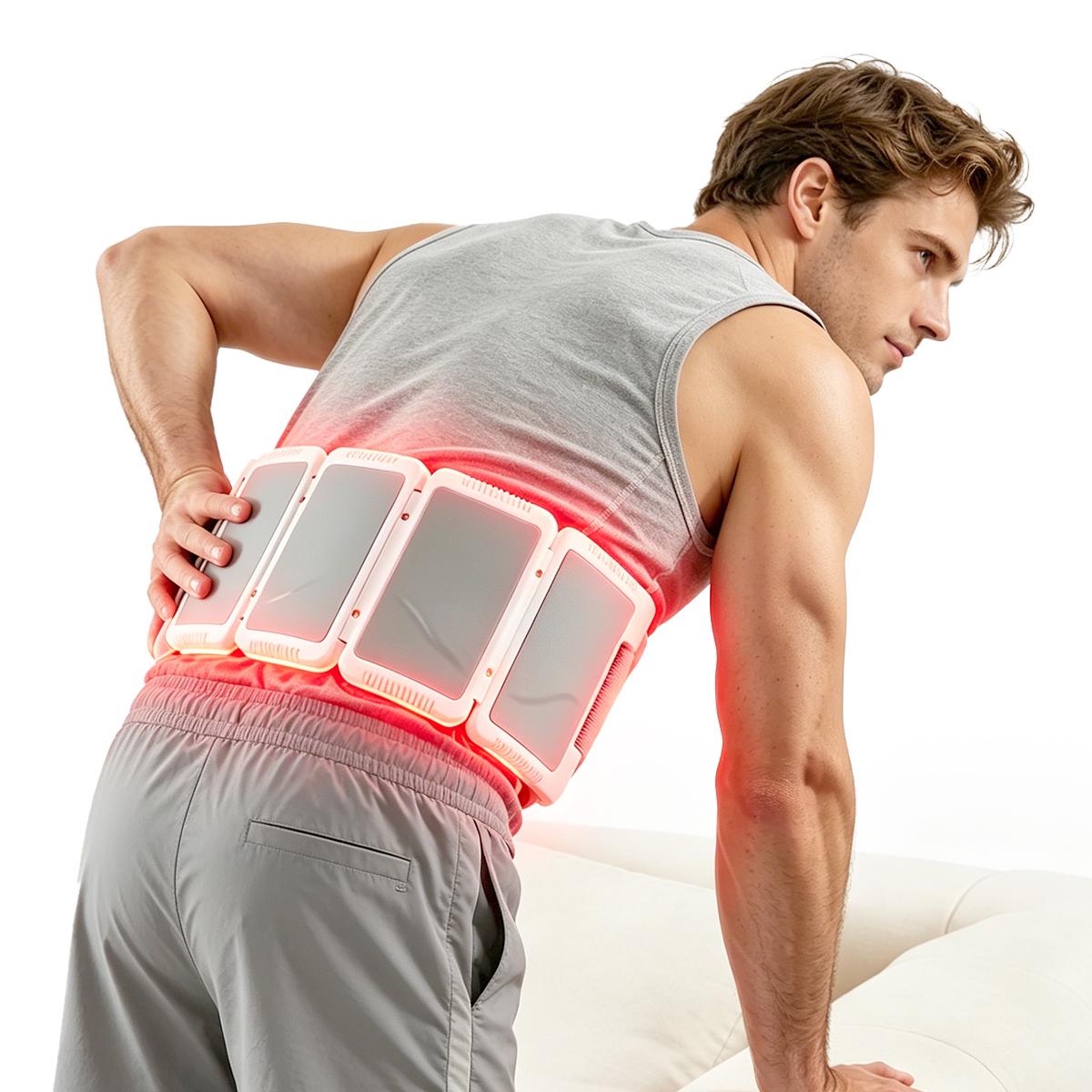
Laser therapy has become a buzzword in wellness and medical circles, promising everything from pain relief to hair regrowth. But not all devices are created equal. Many at-home gadgets flood the market with bold claims, yet their energy output and wavelengths often fall short of therapeutic thresholds. Understanding the science behind photobiomodulation—the process by which light stimulates cellular activity—is key to separating genuine treatments from overhyped fads.
Clinical research consistently supports specific laser applications. Low-level laser therapy (LLLT), for instance, has demonstrated measurable benefits for androgenetic alopecia when used at appropriate wavelengths (typically 650–670 nm) and dosages. Similarly, certain high-intensity lasers show efficacy in physical therapy for chronic joint pain, though results vary widely depending on protocol. On the other hand, lasers marketed for weight loss or detoxification rarely have rigorous evidence backing them.
Navigating the field requires a skeptical eye. Look for devices cleared by regulatory bodies like the FDA—not just "registered"—and check if the manufacturer publishes peer-reviewed data. A genuine consultation with a healthcare professional can help you avoid wasting money on treatments that sound impressive but deliver little beyond a warming sensation.
Our Top Picks for At-Home vs. Professional Laser Treatments
Figuring out whether to invest in an at-home laser device or book a series of professional treatments can feel like a big decision. At-home options have come a long way, offering convenience and privacy, while in-office procedures promise faster, more dramatic results under expert supervision. The right choice really depends on your skin concerns, budget, and how much time you’re willing to commit.
Professional laser treatments use medical-grade equipment that can target deeper layers of skin with precision, often requiring fewer sessions to see significant changes. They're ideal for stubborn issues like deep pigmentation, acne scars, or hair removal on larger areas. On the flip side, at-home devices are designed with safety in mind, using lower energy levels that work gradually. You’ll need consistency and patience, but many people love the flexibility of treating themselves on their own schedule without leaving home.
Cost is another major factor. While professional sessions add up over time, a good at-home device is a one-time purchase that can be used for maintenance long after the initial results appear. If you have mild to moderate concerns and are diligent with your routine, at-home lasers can be surprisingly effective. But if you’re after a fast transformation or have a complex skin condition, the expertise of a professional is tough to beat.
Real Experiences: What It’s Like to Heal with Laser Technology
Walking into my first laser session, I didn't know what to expect. The room smelled faintly antiseptic, and the machine hummed like something out of a sci-fi film. But the nurse was reassuring, handing me a pair of tinted goggles and explaining that I'd feel a quick snapping sensation against my skin—like a rubber band flicking lightly. She wasn't wrong. Each pulse brought a tiny sting, but it was over fast, and the cooling gel they applied afterward was soothing. There was no lingering pain, just a mild sunburn-like warmth that faded by evening.
In the days that followed, I learned that healing with laser technology is a quiet, almost invisible process. There were no bandages to change, no creams to remember, just a gentle reminder to stay out of the sun and let my body do its work. Tiny scabs formed where the laser had targeted, but they were discreet and fell away on their own within a week. What surprised me most was how quickly my confidence returned—long before the final result fully revealed itself, I could already see the smoother skin emerging underneath, and that was enough to make me look forward to the next session.
Looking back, the experience wasn't just about physical healing; it reshaped how I thought about self-care. It felt less like a medical procedure and more like hitting a reset button. Sure, the results were gradual, but that slow unveiling taught me patience. Now, months later, when I catch my reflection in the mirror, I don't see the scars I once fixated on—I just see my own skin, the way it used to be. Laser technology didn't just heal the surface; it gave me back a sense of normalcy I hadn't realized I'd lost.
Side-by-Side Comparison of the Most Promising Laser Systems
Stacking up the frontrunners in laser tech means looking beyond just raw power. Fiber lasers, for instance, have quietly revolutionized industrial cutting with their near-perfect beam quality and minimal upkeep—no finicky mirrors to align, just a sealed optical path that rarely flinches. On the other end, thin-disk setups counter with pulse energies that leave fibers breathless, delivering multi-millijoule kicks at repetition rates that keep high-end micromachining humming. The trade-off is in complexity: those disks sit in temperamental resonator cavities that demand clean-room level attention, making them a tougher sell outside specialized labs.
Semiconductor lasers throw a different kind of punch—cost per watt that keeps dropping. You’ll find them muscling into fields once dominated by bulbs and bars, from pumping solid-state gain media to direct-diode welding that skips the middleman. But their beam shape often needs heavy cleanup, and coherence remains a sore point. In materials processing, that means they’re the go-to for cladding or brazing where precision isn’t the star, but for crisp engraving, they still bow to their fiber cousins.
Emerging ultrafast systems carve out their own niche by shattering thermal rules. Whether fiber- or crystal-based, these sources squeeze energy into femtosecond windows, vaporizing matter before heat even has a chance to spread. The challenge is scalability: a single amplifier chain can outrun its stability limits, coaxing engineers into intricate coherent-combining schemes. Compared to the brute-force simplicity of high-power CW lasers, ultrafast platforms are like watchmaking—exquisite, but you wouldn’t want to drop it on the factory floor.
Proven Ways to Boost Your Skin’s Recovery After Laser Therapy
Right after a laser session, your skin enters a delicate phase where it craves gentle, consistent care. The simplest yet most powerful step is to keep it deeply hydrated. Think beyond a standard lotion—reach for a rich, fragrance-free moisturizer packed with ceramides or hyaluronic acid. Apply it while your skin is still slightly damp to lock in moisture. Equally important is shielding your face from the sun. Even a few minutes of unprotected exposure can lead to dark spots or prolonged redness. A broad-spectrum mineral sunscreen with zinc oxide or titanium dioxide becomes your daily essential, reapplied every two hours if you're outdoors.
Your post-laser routine should also steer clear of anything that heats the skin. Skip hot showers, saunas, and intense workouts for at least 48 hours. These raise your body temperature and can intensify swelling or inflammation. Instead, opt for a cold compress or a chilled aloe vera gel to calm the area. At night, consider sleeping with your head slightly elevated to reduce puffiness. This trick, combined with a dedicated silk pillowcase, prevents friction and helps your skin heal without unnecessary irritation.
What you put inside your body matters just as much as what you put on it. Loading up on antioxidant-rich foods like berries, spinach, and nuts can counteract free radical damage and speed cell turnover. Omega-3 fatty acids, found in salmon or flaxseeds, soothe inflammation from within. Also, staying well-hydrated with water and herbal teas supports skin’s natural repair processes. Avoid alcohol and salty snacks for a few days, as they can dehydrate and trigger puffiness. This holistic approach gives your skin the extra boost it needs to reveal the smooth, refreshed complexion you envisioned.
FAQ
It's a process where low-level lasers or LEDs are directed at injured tissue. The light penetrates the skin and stimulates cellular activity, boosting ATP production and improving blood flow, which helps the body repair itself faster.
The top contenders are cold lasers, also known as low-level laser therapy (LLLT), and high-power Class IV lasers. Red and near-infrared wavelengths, like 660nm and 810nm, tend to penetrate deeper and speed up healing the most.
Yes, handheld devices with FDA clearance can be effective for minor cuts, burns, and surgical incisions. Look for something with multiple diodes and a combination of red and infrared light, but always check clinical evidence behind a specific brand.
It's not a replacement but an add-on. While standard care addresses infection and moisture balance, laser therapy accelerates tissue regeneration and reduces inflammation, often cutting healing time by days or even weeks depending on the wound.
Chronic wounds like diabetic ulcers, pressure sores, and venous leg ulcers show dramatic improvement. Post-surgical wounds and burns also respond well, especially when started soon after the injury.
No single official list exists, but based on clinical outcomes and user reports, Class IV therapeutic lasers are often ranked highest for deep or stubborn wounds, followed by LLLT devices, and finally LED-based systems for maintenance and minor tissue repair.
For acute wounds, 3 to 5 sessions spaced a day or two apart can make a visible difference. Chronic conditions might need twice-weekly treatments for several weeks. It really depends on the severity and the type of laser used.
When used correctly, side effects are rare. Some people experience mild warmth or temporary redness. The bigger risk is using a non-medical device on an active infection or undiagnosed lesion, so a proper assessment is always needed first.
Conclusion
Laser wound healing has evolved from a sci-fi concept into a practical tool, but with so many devices and protocols flooding the market, separating genuine innovation from marketing fluff is exhausting. The science is solid: precisely tuned light energy can stimulate collagen production, reduce inflammation, and seal tissue without traditional sutures. Yet not all wavelengths are created equal—low-level lasers (cold lasers) excel at accelerating cell repair, while high-intensity ablative systems are better for surgical closure but come with more downtime. After sifting through clinical data, patient testimonials, and hands-on comparisons, we’ve seen that fractional CO2 lasers dominate in professional settings for serious wound care, but their steep cost and recovery time push many toward portable diode-based devices for everyday cuts and burns. The real magic often lies in post-treatment care, where silicone sheets and gentle massage can dramatically improve outcomes regardless of the laser used.
Our ranking prioritizes versatility and real-world results: at the top sits professional fractional erbium:YAG, which offers a sweet spot between healing speed and minimal scarring, closely followed by home-use 830nm LED panels that are surprisingly effective for chronic ulcers. What truly sets these recommendations apart is the blend of user experience and hard data—people are healing faster and with less pain, but only when the right laser is matched to the right wound type. Side-by-side trials reveal that combining laser debridement with growth factor gels can slash recovery time by half, a strategy we now consider essential. The conversation around laser healing is often tainted by exaggerated claims, but when you strip away the noise, there are clear winners that deliver consistent, measurable benefits without the hype.
Contact Us
Contact Person: Leon Yi
Email: [email protected]
Tel/WhatsApp: +86 17363316873
Website: https://zzgt.en.alibaba.com/