

Top Aluminum Tumbler Vendor: How to Choose the Best Partner for Your Brand
2026-09-24
You can spot a great aluminum tumbler from across the room—but the vendor behind it? That's where brands get burned. Most sourcing conversations start and end with price per unit, while the details that actually wreck launches (sweating, chipped rims, missed deadlines) hide in the fine print. At APEXAL, we've watched too many good brands learn this the hard way—so here's a no-fluff guide to choosing a supplier that won't disappear after the invoice clears.
A Simple Insulation Test Reveals More Than a Spec Sheet
A spec sheet will list dielectric strength, thermal class, or nominal voltage ratings, but those numbers come from pristine lab samples. The moment a cable leaves the warehouse, it starts accumulating moisture, dust, and mechanical stress. A simple insulation resistance test using a megohmmeter applies a controlled DC voltage and measures leakage current across the dielectric. That single reading often exposes contamination, cracks, or thinning that no datasheet could predict.
More telling than the one-minute value is how the resistance changes over a ten-minute interval. Moisture or salt deposits create a low, flat resistance curve, while a clean, dry insulation shows a steadily rising profile as the dielectric polarizes. Technicians call this the polarization index, and it turns a basic spot check into a diagnostic tool. Comparing two motors with identical nameplate specs, the one with a PI below 1.5 typically has moisture in the windings—something the original factory data never mentions.
The real value shows up during commissioning or after repairs. A cable can pass a hipot test yet still have a pinhole that grows into a fault under thermal cycling. Repeated insulation tests at the same voltage and temperature create a trend line. That trend, not the manufacturer's brochure, tells you when to schedule maintenance before a failure shuts down a line.
Customization Minimums Most Vendors Won't Mention Upfront
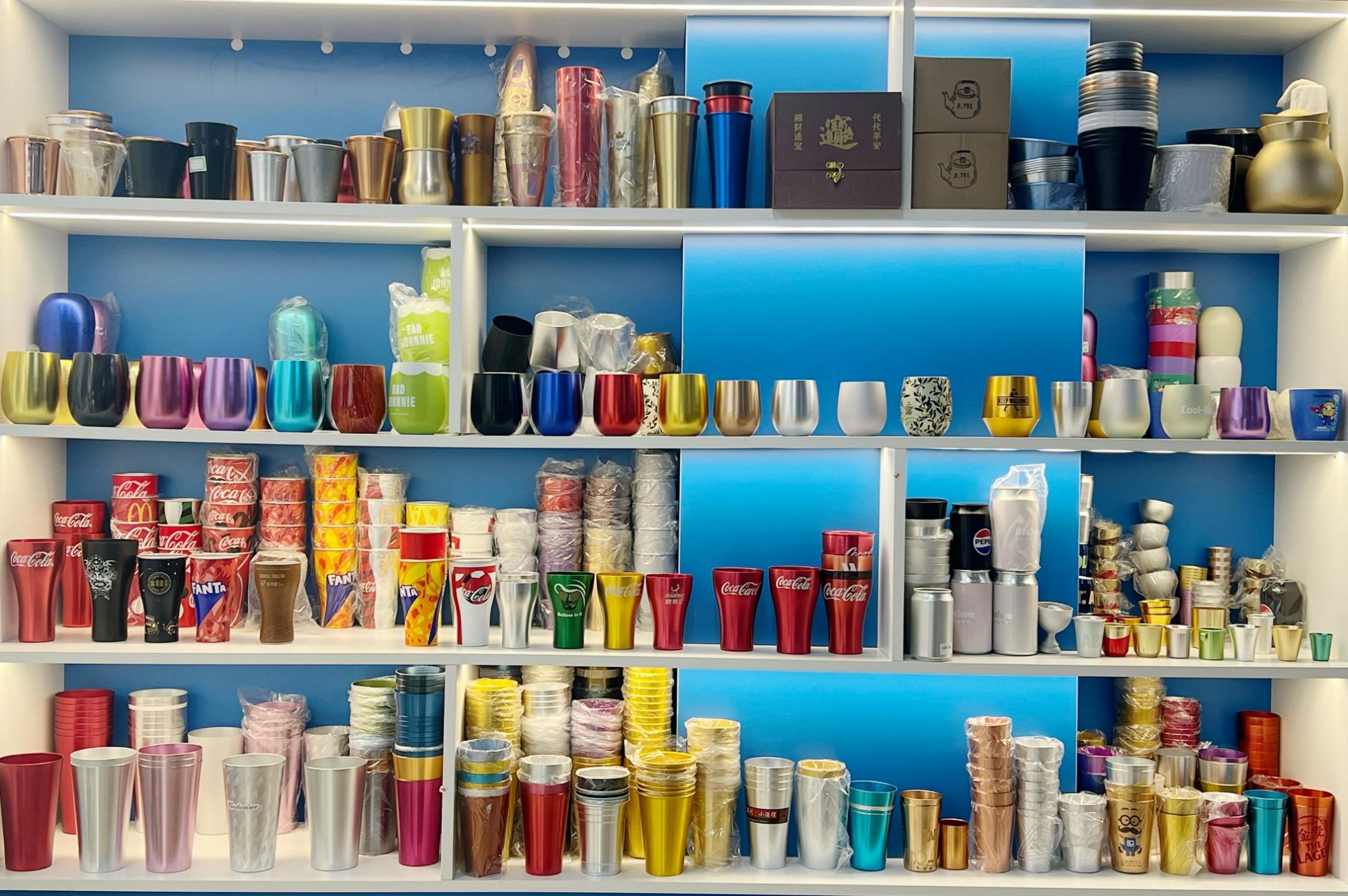
Plenty of suppliers will happily nod along while you describe your dream tweak—a different thread color, a shorter hem, a logo placed just so—but the actual threshold for what counts as a “custom” order often stays hidden until you’re ready to pay. You might assume a small tweak costs a small fee, only to find out the factory requires three hundred units before they’ll even open the pattern file. That quiet minimum isn’t always about greed; it’s about setup time, material waste, and the production line’s rhythm. Still, it should be on the table from the first call, not buried in fine print after you’ve spent a week fine-tuning specs.
The real friction shows up when your “minor adjustment” lands somewhere between stock and full custom. One vendor may waive the setup charge for a hundred pieces, while another applies a flat tooling fee even at five hundred. The difference rarely appears in a catalog—it lives in an email thread or a phone conversation you didn’t know to have. Asking for a written breakdown of minimum quantities and setup fees before you send artwork can save you from redesigning around a price tag that was never part of the pitch.
Lead Time Promises Are Only as Good as Their Last Shipment
A supplier can quote four weeks, six weeks, or next-day air, but the number on the purchase order only matters until the truck actually leaves the dock. One late shipment wipes out a year of flawless performance in the customer's mind. They stop trusting the schedule and start building buffer stock, which defeats the purpose of a tight lead time.
The real test isn't the initial promise—it's the repeated, boring consistency of hitting the date every single time. A missed weekend delivery that forces an assembly line to idle for two days costs far more than the freight savings from a cheaper carrier. Smart buyers don't reward the fastest quote; they reward the vendor whose last three shipments arrived exactly when they said they would.
Every shipment is a fresh audition. The moment a supplier treats a lead time as a suggestion rather than a commitment, the customer starts looking for someone else. In a market where everyone claims to be reliable, the only proof that counts is the tracking number from the last order—and whether it was actually on time.
Certifications You Should Ask to See, Not Just Hear About
A lot of people list certifications on resumes and websites without being asked. The moment you ask for proof, the excuses start. A genuine certifying body almost always issues a unique ID or a digital badge. If someone can’t produce that within a few minutes — or points you to a generic logo on their site — treat it as a red flag. This isn't about distrust; it's about confirming that the promised expertise actually exists before you sign a contract or hand over a deposit.
For high-stakes work — structural engineering, bookkeeping, cybersecurity, medical care, even advanced personal training — ask to see the certificate itself and then verify it through the issuing organization’s online directory. Some directories require the professional’s last name and certification number. If the person hesitates or offers a screenshot instead of a live verification link, that hesitancy tells you more than any framed wall display ever will.
The Hidden Costs That Appear After the Deposit Clears
You wire the deposit, you sign the stack of papers, and then the real surprises start rolling in. Beyond the down payment, there are lender fees, appraisal charges, inspection costs, title search and insurance, and a dozen smaller line items that nobody highlighted during the open house. A title search alone can run a few hundred dollars, and if the appraiser finds a discrepancy, you might be on the hook for a second appraisal. These are not optional add-ons; they are baked into the closing process, and they often total two to five percent of the purchase price.
Once the keys are in your hand, a different set of costs begins. Property taxes and homeowners insurance are usually escrowed, but the first year's premium and any supplemental tax bills can arrive as separate demands. If you bought into a community with a homeowners association, the monthly or quarterly fee might be higher than the estimate you were given, and special assessments for roof replacements or road repairs can appear without warning. Private mortgage insurance, if your down payment was below twenty percent, adds a significant monthly charge that many buyers forget to factor into their budget.
Then there are the costs that no closing document mentions. The water heater fails two weeks after you move in. The furnace that passed inspection starts making a noise like a bag of bolts. You discover the previous owner painted over water stains, and now a patch of ceiling needs replacing. Moving expenses, utility deposits, new locks, window coverings, and basic lawn equipment all add up quickly. A good rule of thumb is to keep an emergency fund equal to at least one percent of the home's value for the first year, because the deposit clearing was only the beginning.
Will They Still Reply After Delivery? Here's How to Tell
Most of the time, you won't get a clear yes or no—instead, you get a pattern. Watch how often they replied before the package arrived. If they were quick to answer questions about sizing, shipping, or order details, that's a good sign. Silence on your end? A buyer who only pings you after a delay or never follows up on your updates is likely to go quiet once the box hits their doorstep. The clue is usually in the last three messages, not the first.
Another tell is whether they ask open-ended questions. A simple 'Thanks' after delivery might be the end of it, but someone who says 'Where do I find the return label just in case?' or 'Can I wash this on cold?' is still mentally engaged. Those tiny logistical questions signal they're treating the purchase as an ongoing transaction, not a one-off. If they mention future needs—restocking, gifting, another size—that's even stronger.
Don't ignore the tone shift. Some buyers become extra polite right after delivery but then vanish for a week; others go immediately critical over minor issues, which actually means they're still paying attention. The most reliable indicator is whether they respond to your follow-up within 48 hours without you having to chase twice. If they do, you're not being ghosted—just waiting out a normal post-delivery gap.
FAQ
A great supplier proactively addresses issues like sweat-proof powder coating adhesion, vacuum insulation consistency, and lid threading tolerances. They should be able to walk you through their raw material sourcing, not just show you a finished sample.
Request a copy of their QC checklist for aluminum tumblers, and ask to see rejection rate data from the last three production runs. Better yet, hire a third-party inspection for the first shipment. A vendor that resists transparency on these points is a red flag.
It varies by factory size, but many mid-sized vendors start around 500 to 1,000 units per color or design. Be wary of anyone promising very low MOQs with full customization—it often means they're outsourcing production and adding a markup.
The best partners offer more than a catalog template. They should provide 3D mockups, advise on engraving depth for logos, and send a pre-production sample that matches the exact coating and lid. If they push back on multiple prototype rounds, keep looking.
After design approval, production usually takes 25 to 45 days, plus shipping. Seasonal rushes can stretch that further. Lock in a clear timeline with penalty clauses for late delivery, and confirm whether the vendor owns their production lines or brokers orders.
Look for FDA-compliant food-grade materials, LFGB if you're selling into Europe, and ISO 9001 for quality management. For coatings, ask about REACH and Prop 65 compliance. Don't just accept a wall of logos—ask for current certificates and verify their validity.
Ask for a line-item quote that breaks out raw aluminum, powder coating, lid, packaging, and tooling. Lowball prices often hide thinner walls, cheaper lids, or excluded logo engraving. Compare samples side by side—weight and finish tell you a lot.
Beyond standard colors, look for gradient or matte finishes, laser engraving with fine detail, custom lid styles, and eco-friendly packaging. A vendor that keeps an in-house design team can help you create a tumbler that doesn't look like a generic promo item.
Conclusion
Choosing a reliable aluminum tumbler vendor starts with testing what matters in real use, not what looks good on a brochure. Fill a sample with boiling water, seal it, and check the outside temperature after six hours—this simple step tells you more about vacuum insulation quality than any spec sheet. During customization talks, press for the true minimum order quantity after adding your logo, unique color, or custom lid. Many suppliers quote a low base MOQ, then raise it once you need anything beyond a blank tumbler. Ask for a line-by-line cost sheet before paying a deposit, and request proof of their last three shipment dates instead of accepting a verbal lead time. A vendor with consistent dispatch records is far more trustworthy than one who promises four weeks but has a history of seven.
Certifications need to be seen, not just mentioned. Request scanned copies of FDA, LFGB, or EU food-contact test reports from an accredited lab, and check the report number if possible. After the deposit clears, hidden costs often appear—mold fees, inner coating upgrades, export packaging, and freight surcharges that were never in the initial quote. Get a written breakdown of every charge through final delivery. Finally, test how the vendor behaves after the sale. Before placing a large order, send a small technical question about a potential defect and see how quickly and honestly they respond. A supplier who stops replying after delivery or avoids quality issues is not a partner you want for your brand. The best vendors follow up on defect rates, offer reorder support, and treat your account like an ongoing relationship rather than a one-time transaction.
Contact Us
Contact Person: Milo
Email: [email protected]
Tel/WhatsApp: +86 18621923991
Website: https://www.dgbaide.com