
Top First Aid Bag Supplier: Essential Guide to Emergency Medical Kits
2026-03-29
Imagine a critical moment where every second counts – someone's safety depends on the quality of the emergency medical kit at hand. As a trusted name in first aid solutions, Kebon understands this urgency. In our latest guide, 'Top First Aid Bag Supplier: Essential Guide to Emergency Medical Kits,' we dive deep into the essentials of selecting and maintaining kits that make a real difference. Whether you're a professional responder or preparing for everyday emergencies, this resource blends expert insights with practical tips. Join us as we explore how the right supplier can transform your preparedness, and discover why Kebon stands out in a crowded market. Let’s get started on a journey toward smarter, more reliable safety solutions.
Unpacking the Must-Have Components in a Reliable First Aid Kit
A dependable first aid kit isn't just a collection of random items thrown together; it's a thoughtfully curated set of essentials designed to handle common injuries and emergencies. At its core, a reliable kit should include basic wound care supplies such as adhesive bandages in various sizes, sterile gauze pads, and adhesive tape to cover cuts and scrapes. These items form the foundation, allowing for quick and effective treatment of minor wounds that can occur in everyday situations, from kitchen mishaps to outdoor adventures.
Beyond basic wound care, a well-equipped kit incorporates tools and medications that address a range of health issues. Think of including tweezers for splinter removal, antiseptic wipes to clean wounds and prevent infection, and over-the-counter pain relievers like ibuprofen or acetaminophen. It's also wise to add items for specific needs, such as an instant cold pack for sprains or burns, and a pair of non-latex gloves to maintain hygiene during treatments.
To truly stand out, consider personalizing your kit based on your activities and environment. For instance, if you're frequently outdoors, add items like blister pads for hiking, insect sting relief, or a whistle for emergencies. Alternatively, for a family with children, include child-friendly bandages and antihistamines. By tailoring these components, your first aid kit becomes not just a standard set but a dynamic tool ready to support your unique lifestyle and safety needs.
Why Supplier Selection Matters for Emergency Preparedness
Choosing the right suppliers may seem like a routine task, but in the context of emergency planning, it's absolutely critical. When a crisis strikes, whether it's a natural disaster, a supply chain disruption, or a public health issue, the decisions made about who provides essential goods and services can determine how effectively an organization or community responds. In those high-pressure moments, you don't want to be scrambling to find reliable partners; you need to already have them in place. A weak supplier can lead to delays, shortages, or subpar resources that worsen the situation, leaving you more vulnerable when time is of the essence.
Think about it this way: emergency preparedness isn't just about having plans on paper—it's about building a resilient network. Suppliers are a key part of that network, acting as your lifeline for everything from medical supplies and food to communication tools and transportation. If you've carefully vetted and selected suppliers based on their reliability, capacity, and ability to perform under stress, you're setting yourself up for a smoother, faster recovery. In contrast, picking suppliers solely based on cost or convenience can backfire spectacularly when they fail to deliver during a critical event, turning a manageable incident into a full-blown catastrophe.
Moreover, strong supplier relationships built on trust and clear communication can enhance your preparedness in subtle ways. They can offer insights into potential risks, help you adapt to changing conditions, and even collaborate on innovative solutions to emerging threats. By investing time in thoughtful supplier selection, you're not just ticking a box—you're creating a strategic advantage that pays off when it matters most, ensuring you're ready to face whatever comes your way with confidence and efficiency.
Customizing Your Medical Kit for Different Emergency Scenarios
When it comes to preparing a medical kit, one size never fits all. Think of it like packing for a trip: you wouldn’t bring the same gear for a beach vacation and a mountain hike. That’s why customizing your supplies based on potential emergencies matters so much. Tailoring your kit ensures you’re not just carrying generic bandages, but items that directly address the specific risks you might face—whether it’s a blizzard, a hiking injury, or a power outage at home.
Start by assessing your environment and activities. For urban settings, focus on cuts, sprains, and common illnesses, adding items like antiseptic wipes, pain relievers, and a thermometer. If you’re heading into the wilderness, prioritize trauma gear such as a tourniquet, splint, or snakebite kit, plus extra water purification tablets. Don’t forget personal needs: include prescription medications, allergy remedies, or pediatric supplies if kids are involved. This proactive approach turns a basic first-aid box into a lifeline tailored just for you.
Regularly review and update your kit as seasons change or new risks emerge. Swap out winter items like hand warmers for summer essentials like insect repellent, and rotate expired products to keep everything fresh. Consider scenarios like natural disasters or travel disruptions, adding items like a multi-tool, flashlight, or emergency contact list. By customizing thoughtfully, you’ll build confidence and readiness for whatever comes your way, making your medical kit a true personal safety asset.
Evaluating Quality and Durability in First Aid Bag Materials
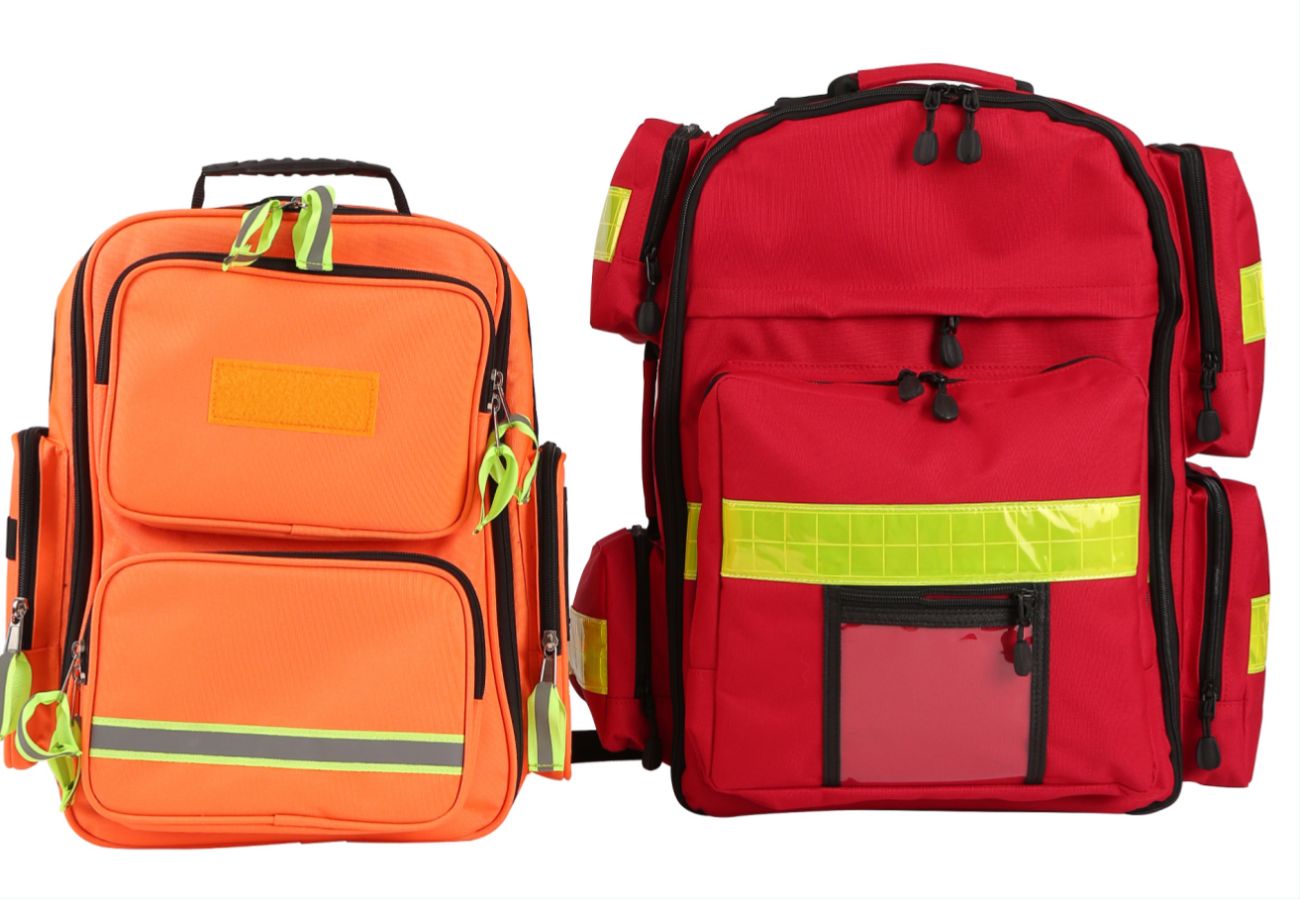
When selecting materials for a first aid bag, it's essential to consider both the immediate protection of contents and the long-term reliability under various conditions. High-quality fabrics like heavy-duty nylon or polyester blends often provide excellent resistance to tearing and abrasion, while also being lightweight enough for easy portability. Additionally, water-resistant coatings or treatments can safeguard medical supplies from moisture, preventing damage during outdoor use or in damp environments. This focus on durability ensures that the bag remains functional even after repeated use, making it a dependable tool in emergencies.
Another key aspect lies in the construction details, such as reinforced stitching and robust zippers, which contribute significantly to overall longevity. Bags with double-stitched seams and heavy-duty hardware are less likely to fail under stress, whether from overpacking or rough handling. It's also worth checking for UV-resistant properties if the bag will be exposed to sunlight frequently, as this can prevent fading and material degradation over time. By prioritizing these structural elements, users can avoid common issues like seam splits or broken fasteners that might compromise the bag's integrity during critical moments.
Beyond just material strength, evaluating ease of cleaning and maintenance can enhance durability. Bags made from wipe-clean surfaces or machine-washable fabrics tend to last longer by withstanding stains and bacterial buildup without deteriorating. Some advanced options even incorporate antimicrobial treatments to inhibit mold and odor, which is particularly useful for first aid kits stored in vehicles or humid areas. Ultimately, a well-chosen material not only withstands physical wear but also adapts to real-world scenarios, ensuring the bag stays reliable and hygienic throughout its lifespan.
How to Maintain and Restock Your Emergency Supplies Effectively
Keeping your emergency supplies in good shape isn't just about buying a kit and forgetting it. Think of it more like tending a garden—regular check-ups ensure everything's ready when you need it most. Start by setting a routine: mark your calendar every six months to review items like food, water, and medications. Rotate perishables by using older items in your daily life and replacing them with fresh stock. Don't overlook the basics; for instance, water can develop a stale taste over time, so swap it out annually, and inspect batteries for corrosion or leaks to avoid nasty surprises during a crisis.
A smart restocking strategy goes beyond simply refilling what you've used. Tailor your supplies to fit your household's evolving needs—maybe you've added a pet or a family member has new medical requirements. Keep an eye on expiration dates, but don't just toss expired items blindly; some, like over-the-counter meds, might still be safe for non-emergency use, reducing waste. Consider bulk-buying non-perishables when they're on sale to save money, and store extras in a cool, dry place away from direct sunlight to extend their shelf life. A little foresight here can prevent frantic, last-minute runs to the store when disaster looms.
To make maintenance a breeze, get creative with organization. Use clear, labeled containers so you can spot-check supplies quickly without rummaging. Involve everyone in the household—turn it into a family activity where kids help check flashlight batteries or update emergency contact lists. This not only spreads the workload but also ensures everyone knows what's available and how to use it. Remember, effective emergency preparedness isn't about having the fanciest gear; it's about consistent, thoughtful upkeep that adapts to your life, keeping your resources reliable and ready at a moment's notice.
Innovative Features That Set Top Suppliers Apart
Leading suppliers distinguish themselves through features that directly enhance operational efficiency and customer satisfaction. For example, they often integrate real-time tracking systems that provide instant visibility into order status and delivery times, allowing businesses to anticipate challenges and adjust workflows proactively. This proactive approach not only minimizes disruptions but also builds trust by keeping clients informed every step of the way.
Another key innovation lies in customizable solutions tailored to specific industry needs. Top suppliers don't offer one-size-fits-all products; instead, they develop flexible platforms that adapt to unique requirements, such as modular components or scalable interfaces. This adaptability enables clients to streamline processes without overhauling existing systems, saving time and resources while fostering long-term partnerships.
Moreover, these suppliers prioritize sustainability and ethical practices, incorporating eco-friendly materials or energy-efficient technologies into their operations. This commitment not only reduces environmental impact but also appeals to increasingly conscious consumers, giving businesses a competitive edge in markets where green credentials matter. By blending functionality with responsibility, top suppliers create value that goes beyond mere transactions.
FAQ
Look for suppliers that offer high-quality, durable materials, compliance with industry standards like OSHA, customizable options, and positive customer reviews to ensure reliability in emergencies.
Suppliers often provide modular designs allowing additions like burn kits for kitchens, trauma packs for construction sites, or pediatric supplies for schools, tailored to unique risks.
In emergency scenarios, timely access to medical supplies can be critical; reliable suppliers ensure you're never caught without essential kits during urgent needs.
Essential features include water-resistant compartments, clear labeling, a variety of bandages and antiseptics, CPR masks, and items for treating common injuries like cuts, burns, and sprains.
Verify that the supplier's products adhere to local and international standards, such as those set by OSHA or the Red Cross, and consult guidelines for your specific industry to avoid compliance issues.
Yes, personal kits are often smaller and portable for home or travel, while professional versions are more comprehensive, designed for workplaces with higher injury risks and regulatory requirements.
Conclusion
Selecting a top first aid bag supplier is crucial for assembling reliable emergency medical kits, as outlined in the essential guide. Unpacking must-have components, such as bandages, antiseptics, and tools like scissors, ensures preparedness for common injuries. Supplier selection matters significantly, as it influences access to quality products and customization options tailored to various emergency scenarios, from outdoor adventures to home accidents, enhancing overall responsiveness and safety.
Evaluating the durability of materials in first aid bags is key to long-term reliability, while innovative features from leading suppliers, like waterproof zippers and modular compartments, set them apart. Effective maintenance and restocking practices keep supplies updated, ensuring kits remain ready for use. By integrating these aspects, the guide empowers individuals and organizations to make informed choices, fostering robust emergency preparedness through high-quality, adaptable medical kits.
Contact Us
Contact Person: Andy Yu
Email: [email protected]
Tel/WhatsApp: +86 19858933676
Website: https://www.kebonfirstaid.com