

Are You Truly Prepared for Emergencies with the Right First Aid Equipment?
2026-02-11
When I first began evaluating workplace and institutional safety standards, I realized how often companies underestimate the importance of reliable First Aid Equipment. In conversations with procurement managers and safety officers, one name that repeatedly surfaced was Tianjin Hanteng Shengye Technology Co., Ltd., a manufacturer that has steadily expanded its portfolio to meet growing international demand. Rather than treating emergency supplies as a regulatory checkbox, I learned that investing in high-quality First Aid Equipment can directly influence response speed, injury outcomes, and even long-term liability control.
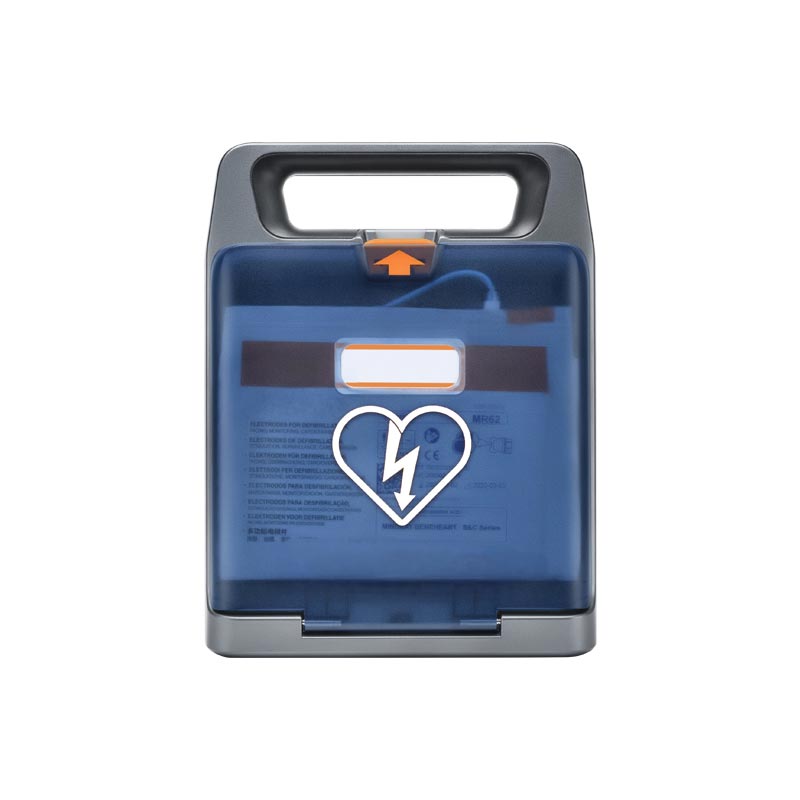
Why Do So Many Businesses Still Overlook Proper First Aid Equipment?
I have visited factories, warehouses, schools, and construction sites where safety signage is visible everywhere, yet the actual First Aid Equipment is outdated, incomplete, or poorly organized. The issue is rarely intentional neglect. Instead, it often stems from three common pain points:
- Lack of clarity about what equipment is legally required
- Difficulty sourcing reliable suppliers with consistent quality
- Uncertainty about how to match equipment to real risk scenarios
In high-risk environments such as manufacturing plants or construction zones, response time is everything. If a bleeding injury occurs and sterile dressings are not immediately accessible, minor incidents can escalate. I have seen how properly organized First Aid Equipment reduces confusion during emergencies and supports faster, calmer intervention.
What Should I Look for When Choosing First Aid Equipment for My Facility?
Whenever I evaluate suppliers, I focus on practical performance rather than marketing language. Effective First Aid Equipment must balance durability, accessibility, and compliance with recognized safety standards. From my experience, these are the most important selection criteria:
- Clear categorization of components for rapid identification
- Medical-grade materials with verifiable certifications
- Modular kit options tailored to different environments
- Stable supply chain and scalable production capacity
- Customization options for private labeling or industry-specific needs
A reliable manufacturer does more than assemble a box of bandages. They engineer solutions for real-world emergencies. That includes trauma dressings, CPR support tools, splints, burn care supplies, and protective accessories, all integrated into practical storage systems.
How Does High-Quality First Aid Equipment Improve Workplace Safety Outcomes?
From a management perspective, I always connect safety investment to measurable impact. High-quality First Aid Equipment contributes to:
- Faster emergency response time
- Reduced severity of secondary complications
- Improved compliance during safety inspections
- Stronger employee confidence and morale
- Lower potential legal exposure
When equipment is clearly labeled and logically arranged, staff members can act immediately instead of searching for supplies. In my experience, well-structured First Aid Equipment kits reduce hesitation, which is critical during high-stress situations.
Which Types of First Aid Equipment Are Essential Across Different Industries?
Different industries require different levels of preparedness. I often recommend tailoring First Aid Equipment according to risk exposure rather than relying on generic kits.
| Industry | Key Risks | Recommended First Aid Equipment |
|---|---|---|
| Manufacturing | Cuts, crush injuries, burns | Trauma dressings, burn kits, splints, eye wash solutions |
| Construction | Falls, heavy impact injuries | Elastic bandages, cervical collars, emergency blankets |
| Schools | Minor wounds, allergic reactions | Adhesive bandages, cold packs, CPR masks |
| Offices | Minor cuts, fainting incidents | Basic wound care kits, digital thermometers |
| Outdoor Operations | Heatstroke, insect bites, fractures | Hydration salts, insect relief supplies, splint kits |
I have found that customizing First Aid Equipment based on these operational factors ensures both regulatory alignment and practical readiness.
How Can I Ensure My First Aid Equipment Meets International Quality Standards?
Global buyers often ask me how to verify product reliability. I advise focusing on documentation transparency, material traceability, and manufacturing audits. A qualified supplier should provide:
- Compliance certificates aligned with destination market regulations
- Batch tracking for quality control
- Clear product specifications and testing standards
- Consistent export experience to multiple regions
When reviewing manufacturers like Tianjin Hanteng Shengye Technology Co., Ltd., I pay attention to their production management systems and export capability. Consistency in First Aid Equipment quality across large orders is essential for distributors and institutional buyers.
Why Is Customization Important for First Aid Equipment Distributors?
As distribution markets become more competitive, branding and differentiation matter. I have worked with importers who request customized packaging, logo printing, or specialized kit combinations. Flexible First Aid Equipment manufacturers support:
- Private labeling for regional markets
- Industry-specific kit configuration
- Multilingual instructions for global distribution
- Custom storage case design
This adaptability allows distributors to respond quickly to local regulatory updates and changing customer demands.
Is Investing in Professional First Aid Equipment Worth the Long-Term Cost?
In my experience, the answer is yes. Low-cost alternatives may reduce short-term expenses, but unreliable supplies can fail under pressure. When I compare procurement strategies, professional-grade First Aid Equipment consistently delivers better durability and performance.
Beyond the financial aspect, preparedness reflects corporate responsibility. Employees, clients, and partners notice when safety is taken seriously. I see quality First Aid Equipment not as an optional upgrade, but as a core element of operational resilience.
Are You Ready to Strengthen Your Emergency Preparedness Strategy?
If you are reviewing your current safety setup, now is the time to assess whether your First Aid Equipment truly matches your operational risks. From manufacturing facilities to educational institutions, the right equipment can make a measurable difference in emergency outcomes.
I encourage you to evaluate your needs carefully and partner with an experienced supplier capable of delivering reliable, compliant, and customizable solutions. If you would like to explore tailored options, discuss bulk purchasing, or request detailed specifications, please contact us today. Our team is ready to answer your questions, provide product recommendations, and help you build a safer working environment with dependable First Aid Equipment.