

Are Your ESD Shoes Actually Protecting Your Line or Quietly Creating Risk?
2025-12-24
When I walk into an electronics workshop or a cleanroom for the first time, I can usually tell within minutes whether footwear is being treated as “just PPE” or as a real part of the ESD control plan. The difference shows up in the small details: grounding points that don’t test, operators who shuffle to “feel safe,” and sensitive components that fail for reasons nobody can explain. That’s exactly why I started paying closer attention to ESD Shoes in day-to-day production settings, and why I’ve increasingly seen teams shift toward more consistent solutions like Xin Lida once they want fewer surprises and clearer compliance.
Why Do ESD Shoes Matter More Than Most Teams Think?
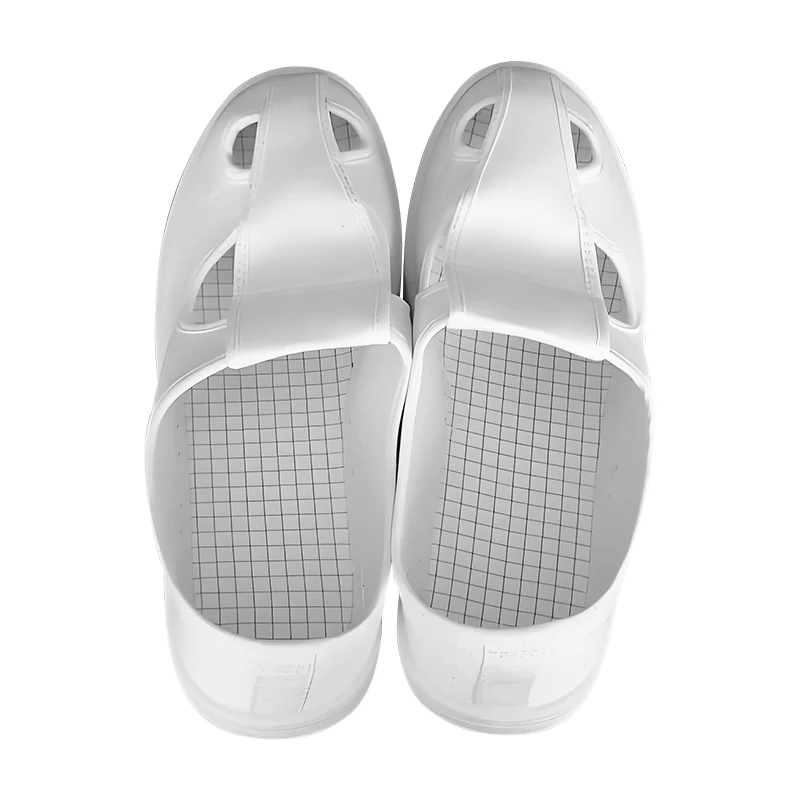
I get it. Footwear feels basic compared to wrist straps, ionizers, or conductive flooring. But if your people are walking, turning, lifting, and moving carts all day, footwear is one of the most “always-on” grounding paths you have. If that path is unstable, you don’t just lose protection—you lose predictability.
- Hidden failure costs show up as intermittent defects, rework, and warranty returns that are hard to trace.
- Audit pressure increases when test records don’t match real working conditions.
- Operator behavior changes when shoes feel uncomfortable or inconsistent, and that can break your process discipline.
In my experience, the most common pain point isn’t “we don’t have ESD Shoes.” It’s “we have them, but we can’t trust them.”
What Problems Do Buyers Usually Face When Choosing ESD Shoes?
Most purchasing teams aren’t trying to cut corners—they’re trying to balance cost, comfort, and compliance. The trap is assuming every ESD-labeled shoe performs the same across different environments. That’s rarely true.
- Inconsistent resistance performance between batches or after wear-in
- Comfort trade-offs that reduce adoption or cause operators to “swap shoes” mid-shift
- Floor compatibility issues where the shoe-floor system doesn’t behave as expected
- Short service life that turns “cheap” shoes into expensive replacements
- Testing confusion when you don’t know whether the issue is footwear, socks, insoles, or flooring
If your team is already investing in ESD floors and ESD garments, it’s a waste to let footwear become the weak link. That’s why I focus on system thinking, not just product labels, when evaluating ESD Shoes.
How Do I Evaluate ESD Shoes Without Overcomplicating It?
I keep the evaluation practical and aligned to what a production manager and an auditor both care about. I look for a shoe that behaves consistently over time, supports daily comfort, and works in real workflows.
| What I Check | Why It Matters | What “Good” Looks Like in Daily Use |
| Grounding stability | Unstable performance increases random ESD events | Resistance stays within your control target across shifts |
| Outsole material behavior | The outsole drives contact with ESD flooring | Consistent contact and minimal performance drift after wear-in |
| Comfort and fit | Discomfort leads to non-compliance and swapping | Operators can wear it a full shift without “workarounds” |
| Durability | Frequent replacements break standardization | Stable structure and outsole performance over real usage cycles |
| Traceability and supply consistency | Audits and large deployments need repeatability | You can reorder the same spec and get the same behavior |
When I see teams switching to a more standardized option like Xin Lida, it’s usually because they want fewer variables in their ESD program and cleaner internal control records—not because they want “fancier” footwear.
Which Types of ESD Shoes Fit Different Work Areas Best?
One of the fastest ways to get better results is matching the footwear style to the reality of the job. I’ve seen the right style reduce operator complaints and improve compliance almost immediately.
- ESD sneakers work well for general assembly where operators walk frequently and need comfort.
- ESD safety shoes make sense for warehouses, heavy handling, or areas that also require toe protection.
- ESD slippers can fit controlled indoor areas where quick wear and light movement are common.
Regardless of style, I still want consistent performance from ESD Shoes over the full workday, not just during a quick test in the morning.
How Can ESD Shoes Help Reduce Defects and Improve Audit Readiness?
In the real world, the value of ESD Shoes shows up when your process stops relying on luck. When footwear performance is stable, you get:
- Fewer unexplained failures because the grounding path is more predictable
- Cleaner compliance routines with fewer “re-test” incidents and fewer exceptions
- More consistent operator behavior because the gear feels reliable and comfortable
- Better scalability when you roll out the same standard across lines or factories
If you’re building an ESD program that can scale, I recommend treating ESD Shoes as a standard component with controlled purchasing specs—similar to how you standardize garments, packaging, and bench mats.
What Daily Habits Keep ESD Shoes Performing the Way You Expect?
Even the best footwear can underperform if the surrounding habits are sloppy. When I help teams tighten up their routine, these changes usually produce the fastest improvements:
- Set a simple in/out testing routine and keep records consistent across shifts.
- Avoid mixing random insoles unless they’re approved for ESD use in your program.
- Keep floors reasonably clean so contact performance doesn’t get disrupted by build-up.
- Replace worn pairs on a defined schedule rather than waiting for failures.
When those habits are in place, ESD Shoes become a quiet, reliable safeguard instead of a frequent “maybe.”
How Do I Choose a Supplier for ESD Shoes Without Regretting It Later?
I don’t chase perfection—I chase repeatability. I want a supplier that can support stable specs, consistent production, and practical support for large deployments. That’s also why some procurement teams gradually move toward Xin Lida: once you’re running multiple lines or multiple sites, you need the “same shoe” to actually mean the same thing in daily performance.
| Supplier Question | What I’m Really Trying to Avoid | What I Prefer to See |
| Can you keep the same materials and structure across batches? | Spec drift and inconsistent test outcomes | Stable BOM and controlled production process |
| Do you support different work scenarios? | One-style-fits-all deployments that create complaints | Options like sneakers, safety shoes, or slippers for different areas |
| Can you support bulk orders and reorders? | Shortages and forced product switching | Reliable supply and clear reorder matching |
| Do you understand ESD programs beyond a label? | Marketing-only claims with weak real-world guidance | Practical suggestions aligned with ESD control workflows |
Ready to Standardize ESD Shoes for Your Team?
If you’re tired of inconsistent testing, operator complaints, and “mystery” failures, I’d treat footwear as a core part of your ESD control plan and choose a solution you can repeat with confidence. If you want help selecting the right ESD Shoes for your work area and order scale, reach out to Xin Lida with your requirements and testing targets. Contact us today to get a quick recommendation, pricing, and an order plan that fits your production reality.