

How Can STGG Transport Medium Improve Sample Stability When Every Hour Matters?
2026-04-02
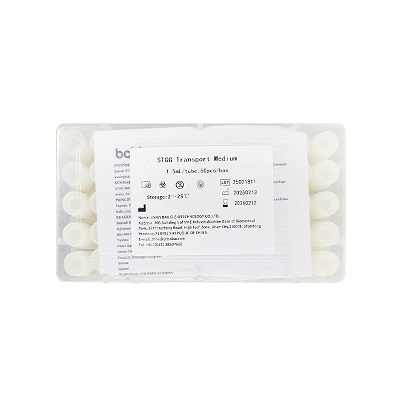
When I evaluate sample collection and transport solutions for microbiology workflows, I care about one thing above almost everything else: whether the specimen that arrives at the lab still reflects the specimen that was collected in the first place. That is exactly why I pay close attention to products like STGG Transport Medium. In many practical testing environments, I have seen how fragile sample integrity can become once collection is complete and transport begins. Over time, I have also found that suppliers such as Jinan Babio Biotechnology Co., Ltd. are increasingly being considered because buyers want transport media that support more stable handling, more predictable downstream testing, and less risk of avoidable loss during storage or transit.
What Will I Cover In This Article?
- Why do sample transport problems create expensive testing risks?
- Why does transport medium choice matter more than many buyers expect?
- What makes STGG Transport Medium a practical option for real workflows?
- How does this product approach common laboratory pain points?
- What should I look for before choosing a supplier?
- Where can this kind of medium fit into daily sample handling?
- Why is now the right time to upgrade the way samples are transported?
Why Do Sample Transport Problems Create Expensive Testing Risks?
I have noticed that many purchasing decisions focus heavily on instruments, assay kits, or final test methods, while the transport stage gets less attention than it deserves. In practice, however, poor transport conditions can affect everything that happens afterward. If a specimen is collected properly but exposed to unstable handling, delayed processing, or unsuitable preservation conditions, the quality of the result can suffer long before the sample ever reaches analysis.
This issue becomes even more important when teams are dealing with respiratory or other clinically relevant specimens that need to remain suitable for laboratory evaluation. In these settings, the transport medium is not a minor accessory. It becomes part of the overall reliability chain. I have seen buyers underestimate this point, especially when they are under pressure to reduce procurement costs. The short-term savings from a lower-grade option can quickly disappear if retesting, inconsistent results, or workflow delays start to appear.
From a buyer’s point of view, the real cost is rarely the bottle or tube alone. The real cost includes collection confidence, transport stability, laboratory efficiency, and the credibility of the final result. That is why choosing STGG Transport Medium should be treated as an operational decision, not just a purchasing line item.
Why Does Transport Medium Choice Matter More Than Many Buyers Expect?
When I compare transport products, I do not ask only whether they can hold a sample. I ask whether they can support a sample through the exact conditions it will face in real use. That means I look at storage expectations, cold chain handling, variability in transit timing, and how well the medium fits with the testing goals of the receiving laboratory.
Many organizations work across collection points, regional labs, third-party logistics partners, and internal quality teams. Once a sample starts moving through this chain, even small inconsistencies can become amplified. A transport medium that performs well in controlled theory but poorly in ordinary field handling may create unnecessary problems for everyone involved.
This is one of the reasons I see growing value in STGG Transport Medium. The product category appeals to laboratories and procurement teams that want a more dependable way to support sample integrity during transport and storage, especially when cold chain conditions are part of the workflow. Instead of thinking only about immediate collection, I prefer to think ahead to what the sample must survive before it is processed.
| Decision Factor | Why I Consider It Important | Potential Risk If Ignored |
|---|---|---|
| Sample stability | Helps preserve useful specimen quality from collection to testing | Reduced confidence in downstream analysis |
| Cold chain compatibility | Supports workflows involving refrigerated or temperature-managed transport | Greater handling variability during transit |
| Workflow fit | Improves coordination between collection staff and laboratory teams | Operational delays and extra retraining |
| Supplier consistency | Reduces purchasing uncertainty across repeated orders | Batch-to-batch concerns and procurement friction |
What Makes STGG Transport Medium A Practical Option For Real Workflows?
What I like about a solution in this category is not flashy wording but practical utility. A good transport medium should make daily operations easier, not more complicated. When I assess whether a product deserves serious buyer attention, I look at how it aligns with actual lab pain points rather than idealized product claims.
Here are the advantages I would highlight when discussing STGG Transport Medium with a laboratory buyer or distributor:
- I can position it as a solution that helps support specimen stability during collection and transport.
- I can present it as relevant for workflows where temperature-managed handling is important.
- I can explain its value in reducing uncertainty between sample pickup and laboratory processing.
- I can use it to support conversations about cleaner workflow coordination across collection, storage, and testing stages.
- I can recommend it to buyers who want a more professional transport setup rather than a bare-minimum option.
In my experience, buyers respond best when the discussion stays grounded. They want to know whether the product fits routine operations, whether it can be integrated without unnecessary friction, and whether it will help them lower avoidable sample loss. That is the real commercial strength behind STGG Transport Medium.
How Does This Product Approach Common Laboratory Pain Points?
I often see the same set of concerns come up during purchasing discussions. Some teams worry about delayed transportation. Others worry about uneven refrigeration conditions. Some are concerned about whether the sample that arrives at the lab still supports dependable testing. These are not abstract concerns. They are the daily realities of diagnostic, research, and routine laboratory work.
What matters to me is whether a product helps reduce those concerns in a practical way. That is where the value conversation becomes stronger. Instead of selling only on cost, I prefer to explain how the right transport medium can help reduce the hidden inefficiencies that come from unstable handling and inconsistent specimen quality.
| Common Buyer Concern | What Buyers Usually Want | How I Position The Product |
|---|---|---|
| Transit delays | Better protection against time-related sample decline | A medium designed for more reliable transport workflows |
| Cold chain pressure | Stable handling under refrigerated transport expectations | A practical fit for controlled sample movement |
| Testing consistency | Greater confidence before culture or molecular analysis | A better starting point for downstream procedures |
| Procurement efficiency | Supplier support and repeat-order confidence | A more scalable purchasing choice for routine use |
That kind of positioning tends to resonate because it speaks directly to outcomes buyers actually care about. Nobody wants to pay for preventable instability. Nobody wants to discover too late that sample handling was the weakest link in the process.
What Should I Look For Before Choosing A Supplier?
I always tell buyers not to judge a transport medium by description alone. The product is important, but the supplier matters as well. A good supplier should make the product easier to source, easier to understand, and easier to integrate into real operations.
When I evaluate a supplier, I usually ask these questions:
- Can the company communicate clearly about product use scenarios and handling expectations?
- Do they appear focused on laboratory and microbiology-related application needs rather than generic packaging sales?
- Can they support repeat purchasing with stable supply?
- Do they present the product in a way that reflects actual buyer concerns?
- Will they be responsive if the buyer needs technical clarification or commercial follow-up?
These questions matter because procurement is rarely a one-time event. If I am introducing STGG Transport Medium into a routine program, I need a supplier relationship that supports continuity. That is one reason a manufacturer like Jinan Babio Biotechnology Co., Ltd. can become part of the conversation. Buyers are not only sourcing a medium; they are also choosing the level of reliability they want from the company behind it.
Where Can This Kind Of Medium Fit Into Daily Sample Handling?
I find that this kind of product becomes especially relevant when teams are trying to build a more controlled and standardized collection-to-testing pathway. It is useful in environments where samples must move through multiple steps before analysis and where consistency matters just as much as speed.
Depending on the workflow, I would discuss STGG Transport Medium in the context of:
- Routine sample collection programs that require dependable transport preparation
- Laboratory networks that rely on cold chain movement between sites
- Institutions looking to improve consistency across decentralized collection points
- Testing workflows that benefit from stronger attention to pre-analytical handling
- Distributors serving customers who ask for more specialized microbiology transport solutions
The reason this matters is simple. Good results begin before testing starts. If procurement teams invest in better transport decisions at the beginning of the chain, they often put the rest of the workflow in a stronger position. That is a more persuasive value story than talking only about price.
Why Is Now The Right Time To Upgrade The Way Samples Are Transported?
I think more buyers are starting to recognize that transport quality is not a minor detail. It has a direct effect on sample usability, workflow consistency, and the confidence laboratories can place in what they receive. In that context, choosing STGG Transport Medium is not simply about replacing one consumable with another. It is about strengthening a vulnerable stage in the specimen management process.
If I were advising a laboratory buyer, distributor, or procurement manager today, I would say this: review the weak points in your current transport workflow and ask whether your present medium truly supports the conditions your samples face every day. If the answer is uncertain, it may be time to look more closely at what STGG Transport Medium can offer.
If you are currently comparing transport media and want a solution that aligns better with practical laboratory needs, this is the right moment to take the next step. To learn more about product details, supply options, and cooperation opportunities, please contact us. I strongly encourage you to send an inquiry, discuss your application needs, and connect with Jinan Babio Biotechnology Co., Ltd. for a more suitable transport medium solution for your business.