

How Can STGG Transport Medium Reduce Sample Loss and Improve Respiratory Testing Confidence?
2026-04-27
When I look at respiratory sample collection from the perspective of a lab, distributor, or clinical buyer, the same concern comes up again and again: how do I keep a fragile specimen useful from the first swab to the final result? That is exactly where Jinan Babio Biotechnology Co., Ltd. gradually comes into the conversation for me, because the company’s focus on practical microbiology supplies connects naturally with the real issue behind transport quality. In daily cold-chain workflows, STGG Transport Medium matters because it helps support sample stability, reduce avoidable loss, and make downstream testing more dependable.
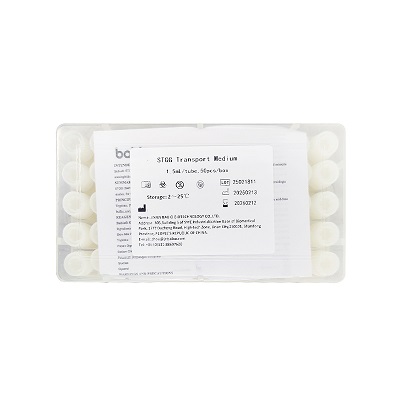
What Usually Goes Wrong After a Sample Leaves the Collection Site?
I have seen many buyers focus on instruments and test kits first, yet the transport stage is often where the real hidden risk begins. A poor transport solution can weaken pathogen viability, create inconsistency between batches, and make laboratories question whether a negative or weak result truly reflects the patient sample. That pain point is especially serious when teams need dependable performance across collection, refrigeration, transfer, and later analysis.
- I worry about whether the specimen can still represent the original microbial condition after transport.
- I need a medium that supports routine workflow instead of creating extra handling pressure.
- I want compatibility with downstream microbiology work rather than a product that looks fine on paper but fails in practice.
- I need a choice that helps reduce repeat sampling, complaints, and avoidable delays.
That is why I see STGG Transport Medium not as a simple consumable, but as a control point for sample integrity.
Why Do I Pay Attention to STGG Transport Medium When Sample Viability Is the Priority?
When sample viability is the priority, I want a transport medium that supports preservation instead of becoming another source of uncertainty. A well-designed transport medium should help maintain microbial recovery potential during cold-chain handling and make the specimen more reliable for follow-up laboratory work. For buyers, that means fewer compromises between logistics and result quality.
What makes STGG Transport Medium especially relevant is that it is closely associated with respiratory specimen transport needs, particularly where stable handling conditions, refrigerated movement, and downstream microbiological analysis all matter. Instead of treating transport as a passive step, I prefer to treat it as a quality-preservation step.
| Common Buyer Concern | What I Need From the Medium | Why It Matters in Real Workflows |
|---|---|---|
| Sample degradation during transport | Support for specimen stability in cold-chain handling | Helps protect usable material before testing begins |
| Inconsistent downstream results | Reliable transport environment for routine lab processes | Reduces uncertainty between collection and analysis |
| Repeat sampling and delays | Better preservation performance during transfer and storage | Improves workflow efficiency and patient experience |
| Procurement risk | Product clarity and application relevance | Makes supplier evaluation more practical and less speculative |
Which Problems Can a Better Transport Medium Solve for Laboratories and Distributors?
From my perspective, buyers rarely want “just another medium.” What they actually want is fewer complaints from end users, fewer rejected samples, and more confidence in cold-chain transport. A stronger product choice can help solve problems that appear in several stages at once.
- It can lower the risk of sample quality dropping during transportation.
- It can support more consistent specimen handling between clinics, collection points, and testing sites.
- It can reduce the operational burden caused by poor transport performance.
- It can help distributors offer a product with a clearer application story to customers.
- It can improve buyer confidence when evaluating long-term supply value rather than only unit price.
That is why I see STGG Transport Medium as a practical answer to an expensive problem. When sample quality is protected early, later steps become easier to trust.
How Do I Judge Whether a Transport Medium Is Actually Suitable for Cold-Chain Sample Management?
I do not judge a transport product by marketing language alone. I judge it by whether it fits the workflow pressures that labs and procurement teams deal with every day. If a medium cannot support cold-chain movement, preserve sample usefulness, and fit routine testing expectations, then it creates more value on a brochure than on the bench.
When I evaluate suitability, I usually check the following points.
| Evaluation Point | What I Look For | Why Buyers Care |
|---|---|---|
| Application fit | Clear relevance to respiratory or similar specimen transport | Prevents mismatch between product and use case |
| Cold-chain compatibility | Practical performance under refrigerated handling conditions | Supports transport realism, not just ideal conditions |
| Downstream usefulness | Alignment with culture or molecular workflow expectations | Helps preserve testing flexibility |
| Supply consistency | Stable manufacturing and clear supplier communication | Reduces procurement uncertainty |
In that context, STGG Transport Medium becomes easier to assess because the conversation moves away from abstract claims and toward workflow relevance.
What Makes Product Advantage Meaningful Instead of Merely Promotional?
I think product advantage only matters when it answers a real-world buyer question. Buyers are not impressed by vague praise. They want to know whether a transport medium can help them protect sample value, maintain operational consistency, and avoid downstream risk. That is what turns a product feature into a procurement reason.
For me, meaningful advantages are these.
- A clear role in supporting specimen preservation during transport and storage.
- A practical fit for laboratories that need stable sample management under refrigerated conditions.
- A useful option for organizations that care about both microbiological workflow quality and purchasing predictability.
- A product story that is easy for distributors to explain to hospitals, laboratories, and partners.
This is where STGG Transport Medium stands out more convincingly than a generic transport solution. It addresses a specific pain point that many buyers already feel but do not always name clearly: the cost of losing confidence in the sample before the test even starts.
How Can I Explain the Value of STGG Transport Medium to a Procurement Team?
If I were speaking to a procurement team, I would not begin with technical jargon. I would begin with risk control. A transport medium affects sample preservation, downstream usability, complaint rates, and even the need for recollection. That makes it relevant to quality, operations, and purchasing all at once.
I would frame the value like this.
- I am not only buying a consumable.
- I am buying more confidence in sample transfer.
- I am reducing the chance that poor preservation damages later work.
- I am choosing a solution that helps clinical and laboratory teams work with fewer preventable disruptions.
That kind of explanation is often more persuasive than exaggerated language, because it reflects how buyers actually think.
Which Type of Buyer Benefits Most From a More Reliable Transport Solution?
In my view, the strongest fit usually appears in organizations that cannot afford unnecessary uncertainty in sample handling. That includes clinical laboratories, microbiology testing facilities, hospital procurement teams, diagnostic distributors, and project buyers serving institutional customers. These groups often face pressure from both sides: they need dependable performance, and they also need a supplier story they can defend internally.
| Buyer Type | Main Pressure Point | Why a Reliable Medium Helps |
|---|---|---|
| Clinical laboratories | Usable samples and steady workflow | Supports more consistent incoming specimen quality |
| Hospitals | Procurement accountability and result confidence | Helps justify selection with operational relevance |
| Distributors | Customer trust and product differentiation | Provides a clearer value proposition for end users |
| Institutional project buyers | Balancing price, reliability, and supply | Improves the quality story behind procurement decisions |
What Should I Look At Before Choosing a Supplier for This Category?
I never separate product selection from supplier evaluation. Even if a medium looks suitable, I still want to know whether the manufacturer communicates clearly, understands application use, and can support stable supply. That is one reason a company such as Jinan Babio Biotechnology Co., Ltd. can enter the buyer’s shortlist more naturally: the discussion is not just about one bottle or one tube, but about whether the supplier understands the testing environment behind the product.
Before I place an order, I usually ask myself these questions.
- Does the supplier present the product in a way that aligns with actual laboratory use?
- Can I clearly understand where the medium fits in specimen transport workflow?
- Does the product positioning make operational sense for my market?
- Will this choice help my team reduce downstream friction, not just initial purchasing cost?
If the answer is yes, then the product moves from “possible option” to “serious candidate.”
Why Does the Right Choice Matter So Much When Testing Confidence Is Hard to Rebuild?
Once a laboratory loses confidence in sample handling quality, it is difficult to rebuild. Delays, recollection, result inconsistency, and internal doubt all create cost far beyond the price of a transport medium. That is why I believe the right choice should support prevention rather than damage control.
With STGG Transport Medium, the value lies in helping teams manage a sensitive stage more carefully and more confidently. For buyers who want a more dependable approach to respiratory specimen handling and cold-chain transport, this is the kind of product category that deserves serious attention rather than last-minute procurement.
How Can We Move Forward If You Want a More Reliable Option?
If you are reviewing transport solutions and want a product that aligns better with sample preservation, cold-chain handling, and downstream testing needs, now is a good time to take a closer look. If you want to discuss specifications, application fit, or sourcing details for STGG Transport Medium, please contact us and leave your inquiry. A practical conversation today can help you avoid preventable sample-management problems tomorrow.