

How Can the Right Hospital Equipment Make Daily Care Safer and Easier?
2026-05-15
When I look at the way modern hospitals, clinics, emergency rooms, nursing centers, and rehabilitation facilities operate, I see one shared challenge: care teams need dependable tools that help them move faster without compromising patient comfort. That is why I naturally pay attention to companies such as Baili Medical Supplies (Xiamen) Co.,Ltd., especially when discussing practical and reliable Hospital Equipment for real healthcare environments. Good equipment is not just about appearance or price. It affects workflow, hygiene, safety, storage, patient transfer, medical observation, and the overall confidence of the people using it every day.
In this article, I want to explain how I evaluate hospital products from a buyer’s point of view. I will not only focus on product categories, but also on the problems buyers often face when selecting equipment for wards, treatment rooms, outpatient departments, and emergency support areas.
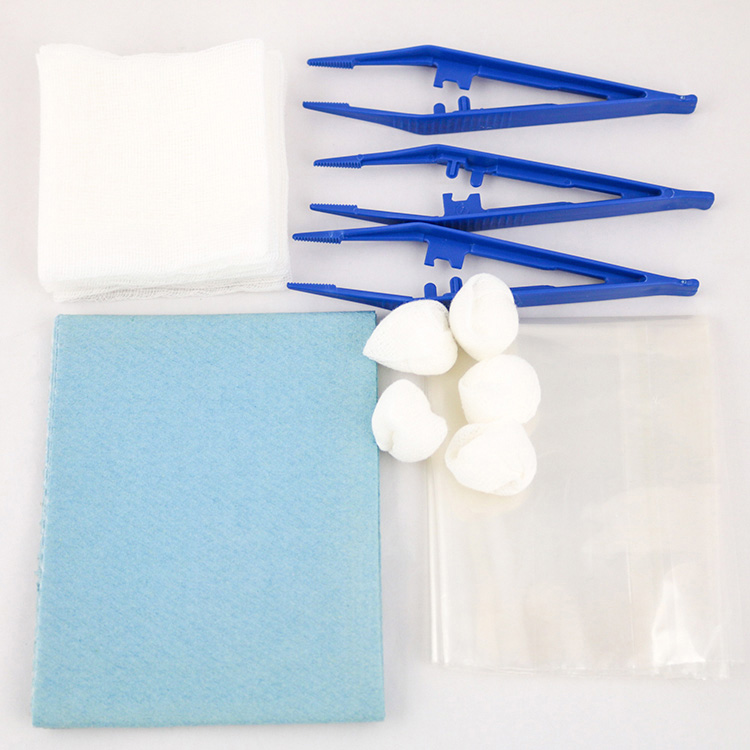
What Problems Do Buyers Usually Face When Choosing Hospital Equipment?
Whenever I help compare medical facility products, I notice that buyers rarely struggle with only one issue. Most of the time, they need to balance cost, quality, delivery stability, patient safety, and long-term use. A hospital may need basic supplies today, but it also needs a supplier who understands repeat orders, product consistency, and after-sales communication.
For many procurement teams, the most common concerns include:
- Whether the product is suitable for frequent clinical use
- Whether the structure is stable enough for patients and staff
- Whether the material is easy to clean and maintain
- Whether the equipment can support different departments
- Whether the supplier can provide clear product information
- Whether the order can be customized according to market demand
- Whether the product line is broad enough for one-stop sourcing
This is where well-organized Hospital Equipment becomes valuable. Instead of purchasing scattered products from many sources, I prefer a supplier that can support different hospital scenarios with a more complete product structure.
Why Does Practical Design Matter More Than Fancy Product Claims?
I have seen many medical products described with big words, but in real hospitals, the best design is often the one that quietly makes work easier. A treatment cart that moves smoothly, a patient support product that feels stable, or a ward facility that is simple to clean can save time every single day. These details may not sound dramatic, but healthcare workers notice them immediately.
When I evaluate Hospital Equipment, I usually pay attention to these practical points:
| Evaluation Point | Why It Matters in Daily Medical Use | What I Prefer to See |
|---|---|---|
| Material Quality | Hospitals need products that can handle cleaning, movement, and repeated contact. | Durable, stable, and easy-to-maintain materials. |
| User Safety | Patients, nurses, doctors, and caregivers all rely on safe handling. | Firm structure, smooth edges, and reliable support. |
| Ease of Cleaning | Medical spaces require strict hygiene management. | Simple surfaces and designs that reduce cleaning difficulty. |
| Functional Fit | Different departments have different working habits. | Products that match ward, emergency, rehabilitation, and outpatient needs. |
| Procurement Flexibility | Distributors and hospitals often need different order plans. | Clear categories, stable supply, and customization support. |
For me, this type of evaluation is much more useful than simply asking whether a product looks modern. A hospital product must survive real use, not just look good in a catalog.
How Can Hospital Equipment Improve Workflow Inside Medical Facilities?
A busy hospital is like a moving system. Nurses move between beds. Doctors need quick access to tools. Patients need safe support. Cleaning staff need surfaces that can be managed efficiently. Procurement teams need products that do not create constant complaints after delivery.
Good Hospital Equipment helps reduce friction in this system. It does not replace medical skill, of course, but it supports the people who provide care. For example, a well-designed hospital bed or ward support product can make patient positioning easier. A reliable trolley or storage solution can reduce time wasted searching for supplies. Rehabilitation-related equipment can help patients receive support in a safer and more structured way.
I usually divide hospital equipment value into three levels:
- For patients it should improve comfort, support, mobility, or safety.
- For medical staff it should reduce unnecessary effort and make care more efficient.
- For buyers it should offer stable quality, clear sourcing, and reasonable long-term value.
When all three levels are considered together, the buying decision becomes much smarter.
Which Hospital Equipment Features Should I Prioritize Before Ordering?
Before placing an order, I always recommend thinking beyond the product name. Two products may appear similar, but their actual use can be very different. A buyer should look at structure, function, product category, supplier experience, and whether the item fits the target market.
Here are the features I would prioritize:
- Stability because hospital products must support people, supplies, or medical work safely.
- Comfort because patients may use certain products for long periods.
- Mobility because many hospital environments require equipment to be moved between rooms.
- Easy maintenance because cleaning and inspection should not waste staff time.
- Category coverage because one-stop sourcing can reduce communication costs.
- Supplier response because medical procurement often requires clear answers before ordering.
This is why I think buyers should not treat Hospital Equipment as a simple commodity. It is part of the healthcare service environment, and every detail can influence daily work.
Why Is One-Stop Sourcing Helpful for Medical Distributors and Clinics?
From my experience, many distributors do not want to manage too many scattered suppliers. Each extra supplier means more communication, more documents, more shipping coordination, and more quality comparison. For clinics and smaller medical centers, the problem is even more direct. They need practical products, but they may not have a large procurement team to check every detail.
A supplier with multiple medical categories can make sourcing easier. If a buyer needs hospital equipment, ward-related products, rehabilitation support, medical testing items, first aid equipment, or daily care products, a broader product system helps them compare and combine orders more efficiently.
| Buyer Type | Main Concern | How a Broad Product Line Helps |
|---|---|---|
| Hospital Procurement Team | Stable quality and department suitability. | Supports different areas such as wards, care rooms, and emergency use. |
| Medical Distributor | Marketable products and repeat supply. | Allows product combination for different customer groups. |
| Clinic Owner | Practical equipment with manageable cost. | Reduces time spent comparing separate suppliers. |
| Rehabilitation Center | Patient support and daily treatment assistance. | Helps source related care and support products together. |
For buyers who need long-term cooperation, this type of sourcing efficiency can be just as important as the product itself.
How Do I Judge Whether Hospital Equipment Is Worth Buying?
I usually judge a medical product by asking one practical question: will this item still make sense after months of daily use? If the answer is yes, then the product has real value. A low price may look attractive at first, but if the equipment is difficult to clean, unstable, uncomfortable, or unsuitable for hospital routines, it can create extra costs later.
When reviewing Hospital Equipment, I pay close attention to:
- Whether the product has a clear use scenario
- Whether the design matches hospital habits
- Whether the product can be explained easily to end users
- Whether the supplier can support wholesale or customized needs
- Whether the product range helps buyers expand their market
This buyer-focused approach helps avoid impulsive decisions. It also makes the final order easier to justify, especially for distributors who need to sell the products to hospitals, clinics, nursing homes, or healthcare service providers.
What Makes Baili Medical Supplies Suitable for Hospital Equipment Buyers?
When I consider a medical product supplier, I prefer companies that understand both production and trading needs. A buyer may need product details, category recommendations, sample discussion, packaging requirements, or market-oriented product combinations. A supplier that can respond to these needs gives buyers more confidence.
Baili Medical Supplies has a product direction that covers medical consumables, first aid products, rehabilitation-related items, testing products, ward facilities, and hospital-use equipment. This makes it useful for buyers who want a more complete sourcing channel instead of a single-product supplier.
For me, the advantages are especially clear in these areas:
- Product variety helps buyers choose items for different medical scenarios.
- Hospital-use focus makes the product line more relevant to healthcare procurement.
- Wholesale support is useful for distributors and institutional buyers.
- Customization potential can help match different market preferences.
- Category connection allows buyers to combine related products in one sourcing plan.
In my view, these strengths make the company worth considering for buyers looking for practical Hospital Equipment rather than decorative or loosely related products.
How Can Better Hospital Equipment Reduce Hidden Costs?
Hidden costs are easy to ignore before purchasing. They may appear later as repairs, complaints, replacement needs, difficult cleaning, storage problems, or staff frustration. I always remind buyers that a medical product should not only be affordable at the time of purchase. It should also remain useful and manageable after delivery.
Reliable Hospital Equipment can reduce hidden costs in several ways:
- It lowers the chance of frequent replacement.
- It helps staff complete routine work more smoothly.
- It supports safer patient handling and daily care.
- It reduces confusion when products are clearly categorized.
- It improves buyer confidence when reordering is needed.
This is especially important for distributors. If a product performs well for the end customer, repeat orders become easier. If the product causes problems, even a cheap first order can damage trust.
Is Hospital Equipment Only for Large Hospitals?
No, and this is a common misunderstanding. I have seen demand for hospital-use products from private clinics, rehabilitation centers, home care service providers, nursing institutions, emergency response suppliers, and medical distributors. Not every buyer needs the same quantity or specification, but they all need products that are safe, practical, and suitable for care-related use.
For example, a small clinic may need basic treatment-room support items. A nursing center may focus more on patient comfort and mobility. A distributor may want a wider product selection for regional customers. This is why a flexible product range matters. Good Hospital Equipment should serve different healthcare environments, not just large public hospitals.
How Should I Start a Hospital Equipment Inquiry?
When I prepare an inquiry, I try to make the message specific enough for the supplier to respond efficiently. A clear inquiry saves time and helps both sides confirm whether the product is suitable.
I suggest including the following details:
- The product category or intended use
- The estimated order quantity
- The target market or customer type
- Any required size, material, packaging, or customization details
- The expected delivery schedule
- Whether samples or product documents are needed
A professional supplier can usually give better recommendations when the inquiry is clear. This also helps buyers compare products more accurately instead of only asking for a general price.
Why Should I Consider Baili Medical Supplies for My Next Hospital Equipment Order?
If I were sourcing medical products for a hospital, clinic, care facility, or distribution business, I would focus on reliability, practical design, product range, and communication efficiency. Baili Medical Supplies (Xiamen) Co.,Ltd. offers a product direction that matches these needs, especially for buyers looking for useful and market-ready Hospital Equipment. The right equipment can improve daily care, support medical staff, and help procurement teams build a more dependable supply chain.
If you are comparing suppliers or preparing a new purchase plan, I recommend starting with a direct inquiry. Share your product needs, quantity, target market, and customization requirements, and the team can help you review suitable options. For more information about Hospital Equipment, please contact us today and leave your inquiry so the team can provide product details, quotation support, and sourcing suggestions for your next order.