

How Disposable Masks Protect Health in Everyday and Professional Environments
2026-05-27
Disposable masks have become essential protective products in hospitals, laboratories, industrial facilities, public transportation systems, and daily life. Choosing the right disposable mask can significantly reduce exposure to airborne particles, droplets, dust, and contaminants. This article explains how disposable masks work, their advantages, how to select the right type, common customer concerns, and best practices for maximizing protection and comfort.
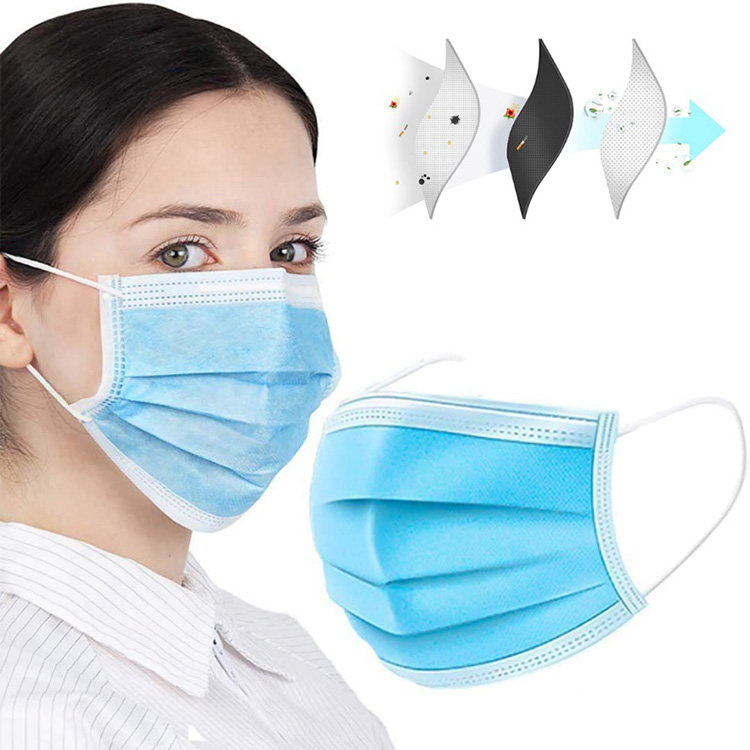
Table of Contents
- Why Disposable Masks Matter
- How Disposable Masks Work
- Different Types of Disposable Masks
- Key Benefits of Disposable Masks
- How to Choose the Right Disposable Mask
- Common Mistakes Users Make
- Industries That Depend on Disposable Masks
- Proper Usage and Disposal Tips
- Choosing a Reliable Manufacturer
- FAQ
- Conclusion
Why Disposable Masks Matter
Disposable masks are designed to create a protective barrier between the wearer and harmful airborne particles. In healthcare environments, they help reduce exposure to bacteria and viruses. In industrial settings, they protect workers from dust, fumes, and microscopic contaminants. For everyday consumers, disposable masks provide an additional layer of personal protection in crowded or polluted environments.
The increasing awareness of workplace safety and public health has driven demand for high-quality disposable masks across global markets. Customers today expect products that combine protection, breathability, comfort, and cost efficiency.
- Insufficient filtration efficiency
- Difficulty breathing during long-term use
- Skin irritation or ear discomfort
- Poor fitting causing air leakage
- Unreliable manufacturing quality
- Short supply chain stability
How Disposable Masks Work
Disposable masks work by filtering airborne particles through multiple protective layers. Most disposable masks include non-woven fabric layers combined with melt-blown filtration materials that trap contaminants while allowing airflow.
When a wearer inhales, air passes through these filtering layers. Harmful particles such as droplets, dust, pollen, smoke particles, and microorganisms are captured before entering the respiratory system.
| Mask Layer | Function |
|---|---|
| Outer Layer | Blocks large particles and liquid splashes |
| Middle Filter Layer | Captures fine airborne contaminants |
| Inner Layer | Absorbs moisture from breathing |
The overall effectiveness depends on filtration quality, proper fit, and correct wearing methods.
Different Types of Disposable Masks
Not all disposable masks are designed for the same purpose. Understanding the differences helps customers select products suitable for their environment and risk level.
| Mask Type | Typical Application | Protection Level |
|---|---|---|
| 3-Ply Disposable Mask | Daily use and public areas | Basic protection |
| Medical Surgical Mask | Hospitals and clinics | Higher bacterial filtration |
| KN95/N95 Mask | High-risk environments | Advanced particle filtration |
| Industrial Dust Mask | Construction and factories | Dust and particulate protection |
Customers should evaluate workplace conditions, exposure risks, and comfort requirements before selecting a mask category.
Key Benefits of Disposable Masks
1. Convenient and Hygienic
Disposable masks are intended for single-use applications, reducing cross-contamination risks and simplifying hygiene management.
2. Lightweight and Comfortable
Modern disposable masks are designed with breathable materials and ergonomic ear loops to improve long-duration comfort.
3. Cost-Effective Protection
For businesses purchasing in large quantities, disposable masks offer practical protection at an economical price point.
4. Broad Application Range
They are widely used in healthcare, food processing, laboratories, manufacturing, beauty salons, and transportation industries.
5. Easy Distribution and Storage
Compact packaging allows efficient logistics management and emergency stock preparation.
How to Choose the Right Disposable Mask
Selecting the correct disposable mask requires balancing protection, comfort, certification standards, and intended usage conditions.
- Check filtration efficiency ratings
- Evaluate breathability for long working hours
- Ensure proper nose bridge sealing
- Verify material safety and skin compatibility
- Choose masks from certified manufacturers
- Confirm packaging integrity and storage conditions
Bulk buyers should also evaluate production capacity, delivery stability, export compliance, and quality inspection systems before placing large orders.
Common Mistakes Users Make
Even high-quality disposable masks may fail to provide effective protection if used incorrectly.
| Common Mistake | Potential Problem |
|---|---|
| Reusing single-use masks | Reduced hygiene and filtration performance |
| Improper nose clip adjustment | Air leakage around the face |
| Touching the front surface frequently | Cross contamination risk |
| Using damaged masks | Insufficient protection |
Industries That Depend on Disposable Masks
Disposable masks are essential across many sectors where hygiene, safety, and contamination control are critical.
- Healthcare and medical facilities
- Dental clinics and laboratories
- Food processing plants
- Pharmaceutical manufacturing
- Industrial manufacturing workshops
- Construction and mining operations
- Public transportation systems
- Beauty and cosmetic services
The demand for stable mask supplies continues to grow as companies strengthen workplace protection standards and operational safety protocols.
Proper Usage and Disposal Tips
To maximize protection and maintain hygiene standards, users should follow proper disposable mask procedures.
- Wash or sanitize hands before handling the mask.
- Ensure the mask fully covers the nose and mouth.
- Adjust the nose clip securely.
- Avoid touching the outer mask surface during use.
- Replace the mask if it becomes wet, damaged, or difficult to breathe through.
- Dispose of used masks safely in appropriate waste containers.
Choosing a Reliable Manufacturer
When sourcing disposable masks, manufacturer reliability directly affects product consistency, delivery performance, and long-term business cooperation.
Jiangyin Jibimed Medical Instrument Co., Ltd. focuses on medical and protective product manufacturing with attention to product quality, production management, and customer service. Professional manufacturers help buyers reduce procurement risks while ensuring compliance with international standards and stable supply capabilities.
A trustworthy supplier should provide:
- Consistent quality control systems
- Professional export experience
- Efficient production capacity
- Clear product specifications
- Responsive communication support
- Reliable shipment scheduling
FAQ
Can disposable masks be reused?
Most disposable masks are designed for single use only. Reusing them may reduce filtration efficiency and hygiene performance.
How long can a disposable mask be worn?
Usage time depends on the environment and mask type. Masks should be replaced once they become moist, dirty, damaged, or difficult to breathe through.
Are disposable masks suitable for industrial applications?
Yes. Certain disposable masks are specifically designed for industrial dust and particulate protection. Users should select masks appropriate for workplace hazards.
What should buyers consider for bulk orders?
Bulk buyers should evaluate certification standards, production capacity, packaging quality, shipping reliability, and supplier experience.
Conclusion
Disposable masks remain one of the most practical and effective protective solutions for healthcare, industrial, and public environments. High-quality masks help reduce contamination risks, improve workplace safety, and support daily personal protection needs.
Businesses and distributors looking for dependable disposable mask solutions should work with experienced manufacturers capable of maintaining consistent quality and stable supply performance.
Contact Us
Looking for reliable disposable mask products for medical, industrial, or commercial applications? Jiangyin Jibimed Medical Instrument Co., Ltd. provides professional manufacturing support and dependable product solutions tailored to global customer requirements.
Contact us today to get professional support and discover advanced sterilization equipment for your business.