

How Do I Choose a Cryolipolysis Machine That Actually Brings Clients Back?
2025-12-12
When I first explored non-invasive body contouring for my studio, I was overwhelmed by specs, sales pitches, and contradictory claims. What changed everything was testing devices side by side and tracking post-treatment satisfaction and repeat bookings. In that process I kept returning to ELOS engineering choices and how a Cryolipolysis Machine behaves on real skin under real schedules. This isn’t about hype; it’s about predictable fat-layer reduction, sensible consumable costs, and a workflow my team can run all week without downtime.
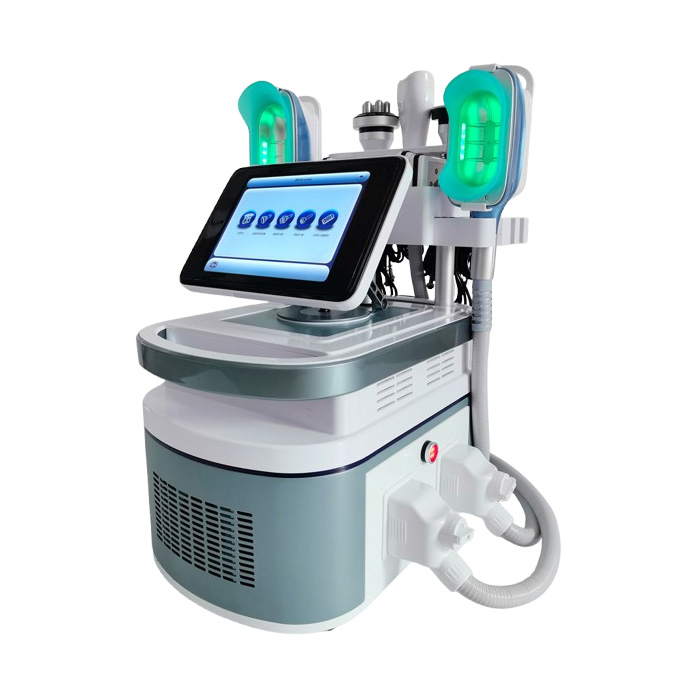
What results should I expect from a Cryolipolysis Machine without overpromising?
Clients ask for visible change without needles or surgery. I set expectations around circumference reduction and silhouette refinement rather than dramatic weight loss. A reliable Cryolipolysis Machine cools subcutaneous fat to a controlled range that triggers adipocyte apoptosis while preserving the dermis and surrounding tissue. In my practice, clearer before-and-after photos come from steady protocols: correct applicator fit, consistent contact pressure, and meticulous anti-freeze membrane handling. I avoid one-size-fits-all cycles; body areas differ, and so should the parameters.
- Steady state cooling across the entire cup instead of cold “hotspots.”
- Vacuum levels that secure tissue without bruising or nerve discomfort.
- Skin-temperature feedback to pause or adapt when thresholds are hit.
- Timed massage or post-cooling to improve client comfort and outcomes.
If the Cryolipolysis Machine maintains uniform temperatures and repeatable cycles, results become consistent—exactly what drives word-of-mouth and reviews.
Why do power and cooling architecture matter more than fancy screens?
Touch panels look impressive, but compressors, heat exchangers, and coolant loops decide whether a session stays in the therapeutic window. I evaluate stability under back-to-back sessions. With ELOS, I noticed less performance drop after the third or fourth client of the day. That means fewer reschedules and happier staff. A well-designed Cryolipolysis Machine should cool down fast between appointments, keep fan noise controlled, and prevent frost buildup in the applicator.
| Decision Factor | What I Look For | Why It Matters In Daily Use |
|---|---|---|
| Cooling Uniformity | ±1–2°C variance across cup | Even fat layer exposure, cleaner photos, fewer “patchy” outcomes |
| Compressor Recovery | Stable output after 3–5 consecutive sessions | No mid-day slowdowns or rebookings |
| Applicator Range | Flat, curved, mini, double-chin options | Fits more anatomies, covers clinic’s real-world demand |
| Safety Layers | Skin temp sensors, leak detection, auto-stop | Protects clients, protects your license, protects your brand |
| Consumables | Transparent membrane costs and supply | Predictable margins, simpler stock planning |
| Noise And Heat | Quiet fans, good ventilation | Comfortable rooms, better client experience |
How do I build a protocol that keeps both safety and ROI in balance?
I write protocols like recipes. That starts with an intake that flags contraindications, followed by measurements, consent, and photos in consistent lighting. On the device, I prefer preset ranges I can tune—because bodies differ. A robust Cryolipolysis Machine gives me:
- Configurable temperatures within a safe envelope.
- Adjustable vacuum with clear numeric feedback.
- Session timers that account for area size and client tolerance.
- Logs I can export for auditing and training.
A good protocol also respects staffing: room turnover, membrane prep, applicator sanitation, and post-massage. This is where Cryolipolysis Machine ergonomics show. If applicators are heavy or hoses kink, technicians fatigue, cycle times creep up, and the schedule slips.
Where do clients feel the difference between devices during treatment?
Clients describe three things: first-minute cold shock, vacuum sensation, and mid-session comfort. Thoughtful cup geometry spreads pressure more evenly, and stable suction prevents micro-slips that cause tingling. I also find that gradual “ramp down” at the end reduces that pins-and-needles moment. Small engineering choices add up; when clients feel cared for and comfortable, they trust the plan and return for complementary areas. The Cryolipolysis Machine becomes part of a relationship, not a one-off experience.
Can I compare feature priorities without getting lost in jargon?
When I audit a new Cryolipolysis Machine, I score each item from 1–5 based on my studio’s reality:
- Reliability — Does cooling hold steady after noon?
- Applicator Fit — Do we have the shapes clients ask for weekly?
- Workflow — Are hose lengths, locks, and stands technician-friendly?
- Safety — Are there layered cutoffs, not just alarms?
- Serviceability — Can we swap a filter or seal without shipping the unit?
That scorecard keeps me honest. It’s easy to get dazzled by screens, but it’s the invisible parts that define outcomes and uptime. The Cryolipolysis Machine that wins is the one my team requests for the next session—because it just works.
What about marketing claims versus ethical communication?
I never promise “spot weight loss.” I show measured changes, discuss lifestyle context, and schedule follow-ups. A credible Cryolipolysis Machine supports that with before-after templates and consistent logs I can reference when clients return. Honesty builds retention. Clients appreciate clear guidance on hydration, massage, and realistic timelines for visible change.
How do I keep maintenance simple so my day doesn’t fall apart?
Maintenance should be boring—in the best way. I keep a monthly checklist: filter checks, hose inspection, cup seals, and a quick temperature calibration using the device’s guides. With ELOS-style clarity, spare parts and consumables are easy to track, and the support team speaks technician language. A dependable Cryolipolysis Machine is a business asset, not a puzzle.
Which buying tips help me avoid expensive regret?
- Ask for a load test: four continuous sessions on a busy area, no cooling drift.
- Demand applicator trials on diverse body types to check fit and seal.
- Price membranes and common parts up front; build them into your margin model.
- Verify training depth: contraindications, parameter logic, post-care scripting.
- Check service SLAs and local turnaround times before you sign.
Following these steps, I ended up with a Cryolipolysis Machine that my clients recommend to friends and my staff request by name. That’s the real test.
Do you want a straight path from demo to booked calendar?
If you’re evaluating devices now, I’m happy to share my playbook, sample protocols, and the checklists I use before every purchase. If you want details about how ELOS-driven design choices translate into smoother sessions and steadier outcomes, contact my team and we’ll walk you through the setup that keeps our days on time. Ready to build a treatment menu your clients trust? Contact us today—send your questions, request a demo outline, or ask for an ROI worksheet, and we’ll respond with exactly what you need to move forward.