

How Do Modern Veterinary Instruments Improve Daily Clinical Outcomes?
2026-01-04
When I first began sourcing reliable tools for animal care, I quickly realized that the quality of Veterinary Instruments has a direct impact on efficiency, safety, and treatment accuracy. In this process, I gradually came to know HTSY as a brand that focuses on practical design and stable performance rather than flashy claims. For clinics and distributors alike, choosing the right Veterinary Instruments is no longer just about price, but about long-term usability and trust.
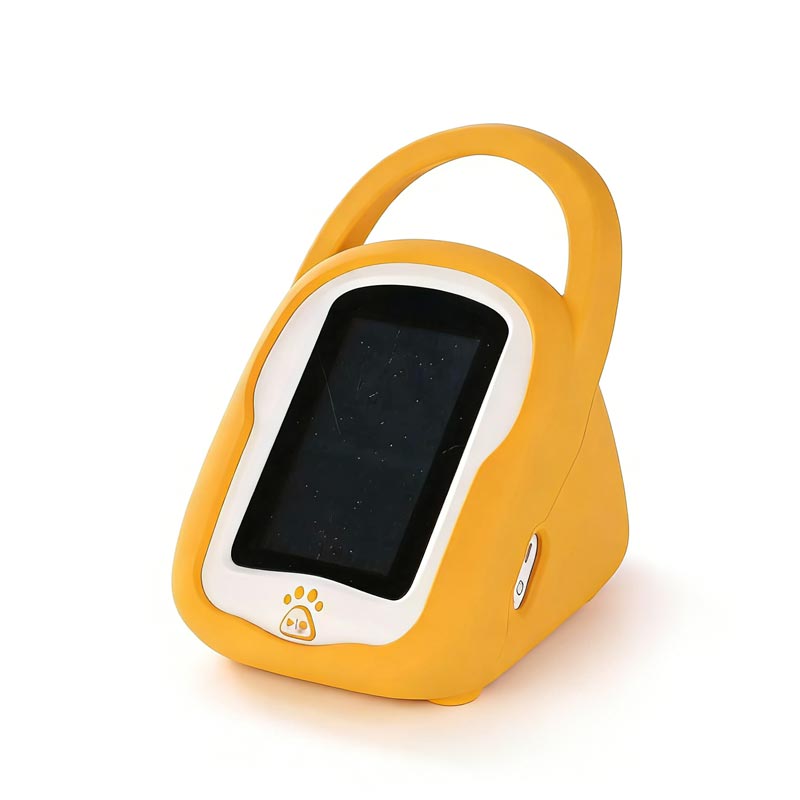
Why Do Veterinarians Pay So Much Attention to Instrument Precision?
In daily practice, even minor deviations can affect surgical results or diagnostic accuracy. From my perspective, high-quality Veterinary Instruments are designed to offer consistent balance, smooth handling, and dependable tolerances. This reduces hand fatigue during long procedures and helps veterinarians maintain focus on the animal rather than compensating for tool limitations.
- Stable structure that minimizes vibration during procedures
- Carefully finished surfaces to improve grip and control
- Reliable calibration for repeated use in clinical settings
How Does Material Selection Influence Veterinary Instruments Performance?
Material choice is often underestimated, yet it plays a critical role in durability and hygiene. I have seen that well-engineered Veterinary Instruments typically rely on medical-grade stainless steel or equivalent alloys. These materials help ensure corrosion resistance, easy sterilization, and consistent performance even after repeated cleaning cycles.
| Material Feature | Clinical Benefit |
|---|---|
| Corrosion resistance | Longer service life in humid or sterilized environments |
| Smooth surface finish | Reduces residue buildup and simplifies cleaning |
| Structural stability | Maintains accuracy during repeated procedures |
What Makes Veterinary Instruments Suitable for Different Animal Types?
One challenge I often consider is the diversity of patients. Small pets, large animals, and exotic species all require different handling approaches. Well-designed Veterinary Instruments take this into account by offering varied sizes, ergonomic proportions, and adaptable designs that support multiple clinical scenarios without constant tool replacement.
This flexibility helps clinics streamline inventory while still delivering appropriate care across a wide range of animals.
How Can Veterinary Instruments Support Workflow Efficiency in Clinics?
Efficiency is not just about speed; it is about reducing unnecessary steps. In my experience, thoughtfully designed Veterinary Instruments contribute to smoother workflows by being intuitive to use and easy to maintain. When tools integrate naturally into daily routines, staff training becomes simpler and overall productivity improves.
- Clear functional design that reduces learning curves
- Compatibility with standard sterilization processes
- Consistent quality that lowers replacement frequency
Why Should Buyers Look Beyond Price When Choosing Veterinary Instruments?
While initial cost is always a factor, focusing only on price can lead to higher long-term expenses. From what I have observed, dependable Veterinary Instruments help reduce downtime, limit replacement needs, and support better clinical outcomes. Brands like HTSY emphasize balanced value by combining practical design with reliable manufacturing standards.
Are You Ready to Upgrade Your Veterinary Instruments Strategy?
If you are evaluating options for dependable Veterinary Instruments, it may be time to look beyond basic specifications and focus on usability, durability, and clinical compatibility. I encourage you to explore solutions that align with real-world veterinary demands and long-term operational goals.
To learn more or discuss your specific requirements, please contact us today. Our team is ready to support your sourcing decisions and help you find veterinary instrument solutions that truly fit your practice.