

Article Summary:
A waterproof wound plaster is designed to provide reliable protection for minor cuts, scratches, abrasions, and everyday injuries while allowing users to continue normal activities. Unlike ordinary adhesive bandages, waterproof wound plasters combine water-resistant materials, secure adhesion, breathable layers, and protective wound pads to help keep external moisture and contaminants away. This article explains how waterproof wound plaster works, what materials make it effective, how to select the right type for different situations, and why manufacturers such as Haorun focus on consistent quality and practical wound-care solutions for global customers.
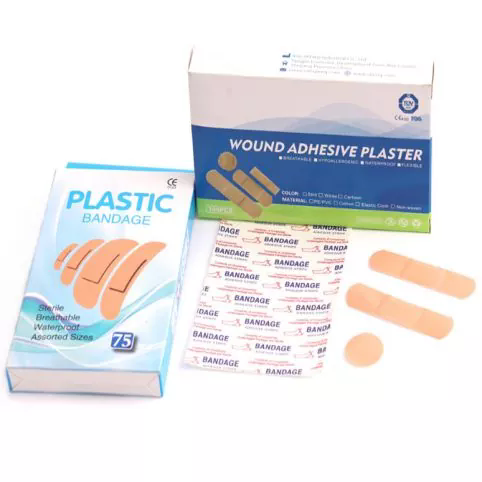
What Is a Waterproof Wound Plaster?
A waterproof wound plaster is a medical adhesive dressing developed to cover and protect minor wounds while reducing exposure to water, dirt, and external contaminants. It is commonly used for small cuts, abrasions, scratches, kitchen injuries, outdoor wounds, and daily first-aid situations.
Traditional wound plasters mainly focus on covering injuries, but modern waterproof designs must solve additional challenges. Users often need wound protection while washing hands, taking showers, working in humid environments, exercising, or performing outdoor activities.
The main purpose of a waterproof wound plaster is not only preventing water from entering but also maintaining a comfortable environment around the wound. A well-designed plaster needs to balance protection, flexibility, skin comfort, and secure attachment. Waterproof dressings often use protective films combined with adhesive edges to create a barrier against external moisture while allowing appropriate breathability.
Basic Structure of a Waterproof Wound Plaster
| Component | Function |
|---|---|
| Waterproof Backing Film | Creates a protective barrier against water and external contaminants. |
| Absorbent Wound Pad | Helps absorb minor wound fluid and cushions the injured area. |
| Non-stick Layer | Reduces discomfort when removing the plaster. |
| Medical Adhesive | Keeps the plaster securely attached during movement. |
| Protective Release Paper | Maintains product cleanliness before application. |
How Does Waterproof Protection Work?
Many users assume that waterproof means simply adding a plastic layer. However, effective waterproof wound plaster design requires cooperation between several materials and manufacturing processes.
The outer film works as the first protection layer. It prevents external water from directly contacting the wound area. Meanwhile, the adhesive edge creates a sealed area around the wound pad to reduce possible water penetration.
For daily-use wound plasters, flexibility is equally important. Human skin constantly moves, especially around fingers, elbows, knees, and joints. A rigid waterproof layer may easily lift from the skin during movement. Therefore, high-quality waterproof wound plasters usually use thin and flexible materials that follow body movement.
Waterproof Performance Depends on Several Factors
- Quality and thickness of the waterproof film.
- Adhesive strength and skin compatibility.
- Correct application on clean and dry skin.
- Proper sealing around the wound area.
- Resistance to stretching and daily movement.
Key Features That Improve Wound Protection
1. Waterproof and Protective Barrier
The most important advantage of waterproof wound plaster is reducing direct contact between wounds and external moisture. This is especially useful in environments where frequent water exposure is unavoidable, such as food preparation, healthcare facilities, outdoor activities, and household work.
2. Strong Adhesion for Long-Lasting Wear
A waterproof plaster must remain attached even when exposed to movement or humidity. Weak adhesion can create gaps where water and contaminants may enter.
Haorun focuses on adhesive performance during product development, ensuring that waterproof wound plasters maintain stable attachment while remaining comfortable for users.
3. Breathable Comfort
While preventing external water entry, a wound plaster should also avoid creating excessive moisture accumulation. Breathable materials help improve wearing comfort during longer use periods. Many waterproof dressing technologies combine water protection with moisture vapor management.
4. Skin-Friendly Materials
Because wound plasters directly contact skin, material selection is essential. Suitable adhesive systems should provide reliable fixation while reducing irritation risks for everyday users.
| Feature | Benefit for Users |
|---|---|
| Waterproof Film | Helps protect wounds during washing and humid conditions. |
| Flexible Design | Allows comfortable movement around joints. |
| Soft Adhesive | Improves wearing comfort. |
| Absorbent Pad | Provides protection and wound cushioning. |
| Easy Application | Suitable for home and professional first-aid use. |
How to Choose the Right Waterproof Wound Plaster?
Different wound situations require different plaster designs. Selecting the correct product helps improve protection and user experience.
Consider Wound Size
- Small cuts: Standard-size waterproof plasters are usually suitable.
- Larger abrasions: Choose products with larger wound pads.
- Finger injuries: Flexible designs improve movement comfort.
Consider Application Environment
| Environment | Recommended Feature |
|---|---|
| Home First Aid | Easy application and comfortable adhesive. |
| Outdoor Activities | Strong adhesion and durable waterproof protection. |
| Food Processing | Reliable coverage and hygiene-focused design. |
| Healthcare Use | Stable quality and consistent performance. |
Common Applications in Different Environments
Waterproof wound plaster has become an essential first-aid product because minor injuries can happen anywhere. Its application range covers both personal care and professional environments.
Household First Aid
Small cuts from kitchen knives, paper edges, tools, or daily activities are common. Waterproof wound plaster allows users to continue routine tasks without repeatedly removing protection.
Outdoor Sports and Travel
Outdoor environments often involve sweat, rain, dust, and unexpected injuries. A waterproof plaster provides convenient protection for hikers, travelers, athletes, and outdoor workers.
Industrial and Workplace Protection
Workers in manufacturing, food processing, and service industries may require dependable wound coverage during working hours. Products with strong adhesion and waterproof performance can support workplace hygiene management.
Manufacturing Considerations for Reliable Quality
For global buyers, selecting a waterproof wound plaster supplier requires more than checking product appearance. Manufacturing consistency, material control, and production capability directly influence final product performance.
Important Supplier Evaluation Points
- Stable raw material sourcing.
- Strict production process management.
- Reliable adhesive and film performance testing.
- Consistent product dimensions and packaging quality.
- Experience in international supply requirements.
As a professional wound care product supplier, Haorun integrates practical design requirements with manufacturing experience to provide waterproof wound plaster solutions suitable for different markets and applications.
FAQ About Waterproof Wound Plaster
Q1: How long can a waterproof wound plaster stay on?
The wearing time depends on the wound condition, product design, and usage environment. Users should replace the plaster according to product instructions or when it becomes damaged, dirty, or no longer provides proper protection.
Q2: Can waterproof wound plaster be used during showering?
Many waterproof wound plasters are designed to protect wounds during normal water exposure such as washing or showering. However, performance depends on the specific product construction and application method.
Q3: What materials are commonly used for waterproof wound plaster?
Common materials include waterproof polymer films, absorbent pads, medical adhesives, and skin-friendly backing materials. The combination determines flexibility, protection, and comfort.
Q4: What makes Haorun waterproof wound plaster different?
Haorun focuses on balancing waterproof protection, wearing comfort, adhesive reliability, and manufacturing consistency to meet the needs of distributors, retailers, and professional buyers worldwide.
Q5: Can waterproof wound plaster be customized for different markets?
Yes. Depending on customer requirements, waterproof wound plaster products can be customized in sizes, packaging formats, branding solutions, and product specifications.
Choose Haorun for Reliable Waterproof Wound Plaster Solutions
Finding a dependable wound care partner helps businesses provide safer and more practical healthcare products to end users. Haorun combines product knowledge, manufacturing capability, and quality-focused production to support customers with professional waterproof wound plaster solutions.
Whether you need private label products, customized packaging, or stable bulk supply, Haorun is ready to provide suitable wound care solutions for your market.
Contact us today to discuss your waterproof wound plaster requirements and discover how Haorun can support your business with reliable medical care products.