

How Medical Equipment Profiles Improve Healthcare Procurement Decisions?
2026-03-20
Abstract
Medical equipment procurement is a complex process that directly impacts patient outcomes, operational efficiency, and long-term costs. Without standardized and well-structured medical equipment profiles, buyers often face fragmented data, inconsistent specifications, and increased risk of poor investment decisions. This article explains how medical equipment profiles streamline evaluation, improve transparency, and support informed purchasing. It provides a structured overview, key components, practical applications, and actionable guidance for healthcare organizations.
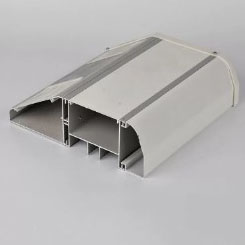
Table of Contents
- 1. Article Outline
- 2. What Are Medical Equipment Profiles?
- 3. Why Medical Equipment Profiles Matter
- 4. Key Components of Medical Equipment Profiles
- 5. Benefits for Buyers and Healthcare Facilities
- 6. Comparison: Structured vs Unstructured Data
- 7. How to Implement Effective Equipment Profiles
- 8. FAQ
- 9. Conclusion
1. Article Outline
- Introduction to procurement challenges
- Definition and scope of equipment profiles
- Core components and structure
- Operational and financial benefits
- Comparison of data formats
- Implementation strategies
- Frequently asked questions
2. What Are Medical Equipment Profiles?
Medical equipment profiles are structured datasets that describe the technical, operational, and compliance characteristics of healthcare devices. These profiles serve as standardized documentation for comparing products across manufacturers, enabling decision-makers to evaluate options based on consistent criteria.
A well-developed profile typically includes specifications such as dimensions, materials, performance metrics, safety certifications, and application scenarios. Rather than relying on fragmented brochures or inconsistent product sheets, profiles consolidate all critical data into a unified format.
3. Why Medical Equipment Profiles Matter
Healthcare providers face several persistent challenges when sourcing equipment:
- Inconsistent product specifications across suppliers
- Lack of transparency in performance metrics
- Difficulty comparing multiple devices objectively
- Risk of regulatory non-compliance
Medical equipment profiles address these issues by introducing clarity and consistency. Procurement teams can quickly assess compatibility, performance, and cost-effectiveness without manually reconciling disparate information sources.
For hospitals and clinics, this translates into faster decision cycles, reduced procurement errors, and improved alignment with clinical requirements.
4. Key Components of Medical Equipment Profiles
A comprehensive medical equipment profile should include the following core elements:
| Component | Description | Importance |
|---|---|---|
| Technical Specifications | Dimensions, materials, power requirements, and operating parameters | Ensures compatibility with existing systems |
| Performance Metrics | Accuracy, efficiency, output capacity, and reliability indicators | Supports objective comparison |
| Compliance & Certifications | Regulatory approvals and quality standards | Reduces legal and operational risks |
| Application Scenarios | Recommended use cases and environments | Improves clinical suitability |
| Maintenance Requirements | Service intervals, spare parts, and lifecycle expectations | Helps forecast long-term costs |
5. Benefits for Buyers and Healthcare Facilities
Adopting standardized medical equipment profiles provides measurable advantages:
- Improved Decision Accuracy: Structured data eliminates ambiguity.
- Time Efficiency: Faster evaluation and comparison processes.
- Cost Optimization: Better understanding of lifecycle costs.
- Risk Reduction: Clear compliance and certification details.
- Enhanced Transparency: Consistent information across vendors.
For procurement managers, these benefits translate into a more strategic approach rather than reactive purchasing. Clinical teams also benefit from equipment that better aligns with operational needs.
6. Comparison: Structured vs Unstructured Data
| Criteria | Structured Profiles | Unstructured Information |
|---|---|---|
| Data Consistency | High | Low |
| Ease of Comparison | Simple and fast | Time-consuming |
| Error Risk | Minimal | High |
| Decision Speed | Accelerated | Delayed |
| Scalability | Highly scalable | Limited |
7. How to Implement Effective Equipment Profiles
To maximize value, organizations should follow a structured implementation approach:
- Standardize Data Formats: Use consistent templates across all equipment categories.
- Integrate Digital Systems: Connect profiles with procurement and inventory platforms.
- Collaborate with Suppliers: Ensure manufacturers provide complete and accurate data.
- Regular Updates: Maintain up-to-date profiles reflecting product improvements.
- Training: Equip procurement teams with the skills to interpret and utilize profiles effectively.
Companies like Yingtai emphasize structured documentation to support global buyers in evaluating aluminum-based medical components and related equipment efficiently. By aligning technical precision with user-friendly presentation, such profiles enhance both accessibility and decision confidence.
8. FAQ
Q1: What is the primary purpose of a medical equipment profile?
A medical equipment profile provides a standardized and comprehensive overview of a device’s specifications, performance, and compliance, enabling informed comparison and selection.
Q2: How do equipment profiles reduce procurement risks?
They ensure transparency in certifications, performance data, and maintenance requirements, minimizing the likelihood of selecting unsuitable or non-compliant equipment.
Q3: Are medical equipment profiles only useful for large hospitals?
No. Clinics, laboratories, and distributors also benefit from structured profiles, as they simplify purchasing decisions regardless of scale.
Q4: How often should equipment profiles be updated?
Profiles should be reviewed regularly, especially when new product versions, regulatory changes, or performance updates occur.
9. Conclusion
Medical equipment profiles play a critical role in modern healthcare procurement by transforming fragmented data into structured, actionable insights. They enable buyers to compare products efficiently, reduce risks, and optimize long-term investments. As healthcare systems continue to evolve, the importance of standardized and transparent equipment documentation will only increase.
Yingtai remains committed to delivering precise, well-structured medical equipment profiles that support global buyers in making confident decisions.
For professional consultation, customized specifications, or bulk inquiries, contact us today to receive expert support and competitive solutions tailored to your project requirements.