

What Are Pharmaceutical Intermediates and Why Do They Matter in Modern Drug Development?
2026-05-11
In the modern pharmaceutical industry, the production of safe and effective medicines relies on a highly complex chemical supply chain, where every stage plays a crucial role. Among these stages, Pharmaceutical Intermediates are one of the most essential building blocks. They are not final drugs, but they are key chemical compounds used to synthesize active pharmaceutical ingredients (APIs). Without them, the pharmaceutical manufacturing process would be incomplete, inefficient, and far less cost-effective. As global demand for high-quality medicines continues to rise, companies like Henan Purui Pharmaceutical Co., Ltd. are increasingly focusing on the research, production, and optimization of high-purity Pharmaceutical Intermediates to support global healthcare needs.
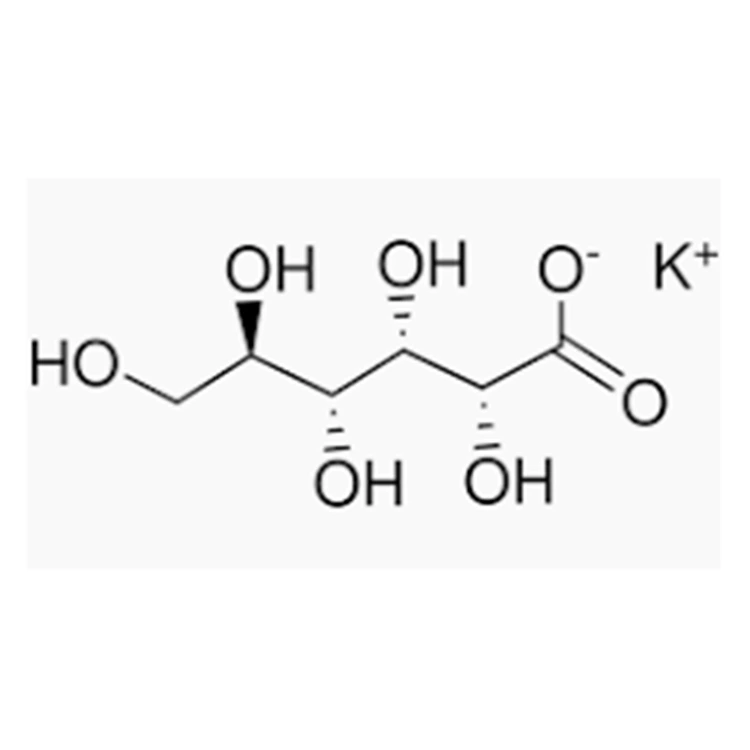
Understanding Pharmaceutical Intermediates
Pharmaceutical Intermediates refer to intermediate chemical compounds formed during the synthesis of active pharmaceutical ingredients. These substances are not consumed directly by patients but are essential precursors in drug manufacturing.
They serve as the "bridge" between basic raw materials and final pharmaceutical products. The quality, purity, and stability of these intermediates directly affect the safety and efficacy of the final medication.
In simple terms:
- Raw materials → Pharmaceutical Intermediates → Active Pharmaceutical Ingredients (APIs) → Finished drugs
Why Pharmaceutical Intermediates Are Important
The importance of Pharmaceutical Intermediates can be understood from multiple perspectives:
1. Ensuring Drug Quality
High-quality intermediates ensure that the final drug meets strict safety and efficacy standards. Even minor impurities in intermediates can lead to ineffective or unsafe medications.
2. Improving Production Efficiency
Using standardized Pharmaceutical Intermediates simplifies the synthesis process, reduces production steps, and increases manufacturing efficiency.
3. Reducing Costs
Optimized intermediate production lowers raw material waste and reduces the overall cost of pharmaceutical manufacturing.
4. Supporting Innovation
Many advanced drugs depend on customized intermediates designed for specific molecular structures. This enables the development of innovative therapies.
Types of Pharmaceutical Intermediates
Pharmaceutical Intermediates can be classified in several ways depending on their chemical structure and application:
- Fine chemical intermediates: Used in small-molecule drug synthesis
- Chiral intermediates: Essential for producing enantiomer-specific drugs
- Heterocyclic intermediates: Common in antibiotics and antiviral drugs
- Bulk intermediates: Used in large-scale pharmaceutical production
Each type plays a distinct role in modern pharmaceutical manufacturing systems.
Key Applications of Pharmaceutical Intermediates
Pharmaceutical Intermediates are widely used across different drug categories:
- Antibiotics production
- Cardiovascular drugs
- Anti-inflammatory medications
- Antiviral compounds
- Central nervous system (CNS) drugs
- Oncology (cancer treatment) drugs
Their versatility makes them a backbone of the global pharmaceutical supply chain.
Table: Role of Pharmaceutical Intermediates in Drug Development
| Stage of Production | Role of Pharmaceutical Intermediates | Impact |
|---|---|---|
| Raw Material Processing | Converted into stable chemical structures | Ensures consistency |
| Intermediate Synthesis | Forms key molecular components | Enables drug formation |
| API Production | Provides active ingredient backbone | Determines drug effectiveness |
| Final Drug Formulation | Supports stability and purity | Ensures patient safety |
Advantages of High-Quality Pharmaceutical Intermediates
High-quality Pharmaceutical Intermediates offer several advantages:
- High chemical purity and stability
- Better reaction yield in synthesis
- Reduced impurity formation
- Improved scalability for industrial production
- Compliance with international pharmaceutical standards
Manufacturers like Henan Purui Pharmaceutical Co., Ltd. focus heavily on these factors to ensure reliable and consistent product performance for global pharmaceutical partners.
Challenges in Pharmaceutical Intermediate Production
Despite their importance, producing Pharmaceutical Intermediates is not without challenges:
1. Strict Regulatory Requirements
Pharmaceutical manufacturing must comply with GMP and international regulatory standards.
2. Complex Chemical Processes
Some intermediates require multi-step synthesis with strict environmental controls.
3. Cost of Raw Materials
Fluctuations in raw material pricing can affect production stability.
4. Purity Control
Maintaining ultra-high purity levels is technically demanding and requires advanced equipment.
Henan Purui Pharmaceutical Co., Ltd. – Professional Expertise in Intermediates
Henan Purui Pharmaceutical Co., Ltd. is a professional manufacturer specializing in pharmaceutical raw materials and Pharmaceutical Intermediates. With strong R&D capabilities and advanced production systems, the company focuses on delivering high-purity and stable intermediate compounds for global pharmaceutical applications.
Key strengths include:
- Advanced chemical synthesis technology
- Strict quality control systems
- Customized intermediate development
- Stable large-scale production capacity
- Commitment to international standards
By continuously improving production technology, Henan Purui Pharmaceutical Co., Ltd. supports pharmaceutical companies in accelerating drug development and improving production efficiency.
Future Trends of Pharmaceutical Intermediates
The pharmaceutical industry is evolving rapidly, and Pharmaceutical Intermediates are also experiencing significant transformation:
1. Green Chemistry Development
More eco-friendly synthesis routes are being developed to reduce environmental impact.
2. Precision Manufacturing
Advanced control systems allow higher accuracy in molecular structure production.
3. Customization Demand Growth
Pharmaceutical companies increasingly require tailor-made intermediates for specialized drugs.
4. Global Supply Chain Integration
Stronger international cooperation is improving stability and availability of intermediates.
Simple List: Benefits of Pharmaceutical Intermediates
- Improve drug synthesis efficiency
- Reduce manufacturing costs
- Ensure high drug purity
- Enable advanced pharmaceutical innovation
- Support large-scale production
Conclusion
Pharmaceutical Intermediates are the foundation of modern drug manufacturing. They connect raw materials to final medicines and directly influence the safety, effectiveness, and affordability of pharmaceutical products. As global healthcare demands continue to grow, the importance of high-quality intermediates will only increase.
Companies like Henan Purui Pharmaceutical Co., Ltd. play a crucial role in this ecosystem by providing reliable, high-purity, and innovation-driven Pharmaceutical Intermediates to support pharmaceutical development worldwide.
For more product information, technical support, or partnership opportunities, please feel free to contact us.