

What Makes a Bamboo Joint-shaped Interdental Brush a Smart Choice for Modern Oral Care?
2026-10-13
A healthy smile starts with more than regular toothbrushing. Food particles and plaque can accumulate in the narrow spaces between teeth, where conventional toothbrush bristles may not reach effectively. For consumers seeking convenient daily oral care and businesses looking for differentiated dental hygiene products, the Bamboo Joint-shaped Interdental Brush offers a practical combination of targeted interdental cleaning and a bamboo-based handle design. Its distinctive joint-shaped structure can provide a recognizable product profile, while its compact brush head supports cleaning in hard-to-reach areas. For dental care brands, distributors, wholesalers, and private-label buyers, this product also presents opportunities to expand sustainable-minded oral care collections and meet evolving consumer preferences.
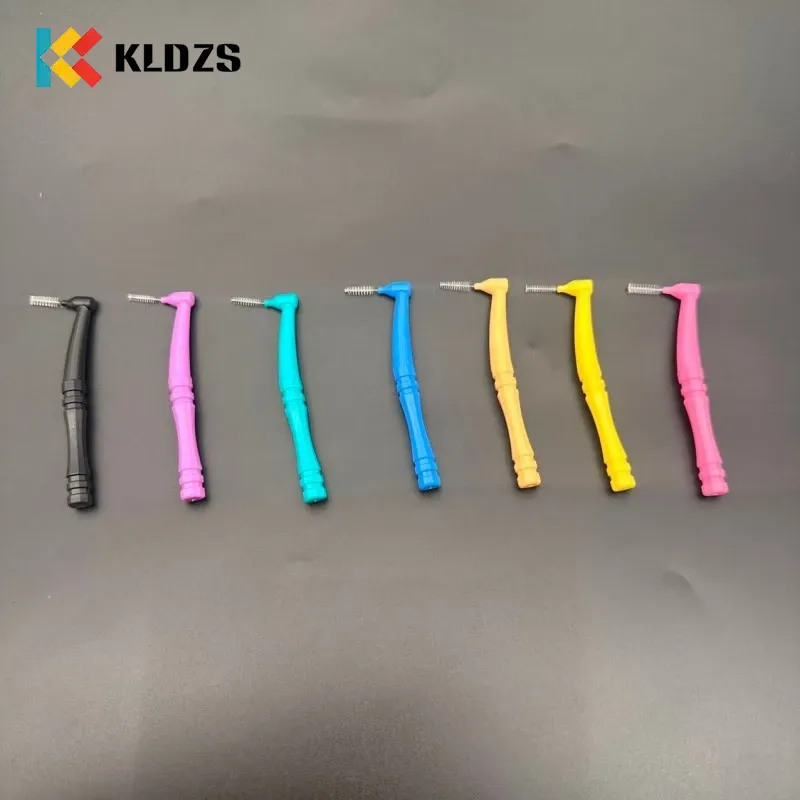
1. Understanding the Bamboo Joint-shaped Interdental Brush
A Bamboo Joint-shaped Interdental Brush is a small oral hygiene tool designed to clean between teeth. It typically combines a bamboo handle with a compact brush head made from fine bristles arranged around a central wire. The joint-shaped handle design can offer a distinctive appearance and may provide a comfortable gripping point, depending on its dimensions and finish.
Unlike a conventional toothbrush, which primarily cleans exposed tooth surfaces, an interdental brush is designed to reach spaces between adjacent teeth and along accessible gumline areas.
Its main components include:
-
Bamboo handle: Provides a natural-looking alternative to conventional plastic handles.
-
Joint-shaped structure: Creates a distinctive profile that may support grip and handling.
-
Fine brush bristles: Help dislodge food debris and disturb plaque in suitable interdental spaces.
-
Central supporting wire: Holds the bristles in position and allows the brush head to enter compatible gaps.
The precise materials, dimensions, bristle arrangement, and handle finish should be confirmed with the manufacturer when selecting a product for commercial distribution.
2. What Cleaning Benefits Can It Offer?
The principal purpose of a Bamboo Joint-shaped Interdental Brush is to improve access to areas that ordinary brushing may miss. When appropriately sized and used correctly, interdental brushes can help remove food debris and plaque between teeth.
More Targeted Interdental Cleaning
Plaque can build up on the surfaces where teeth meet. If it remains undisturbed, it can contribute to gum inflammation and tooth decay. Adding interdental cleaning to a regular oral hygiene routine helps address these difficult-to-reach areas.
Convenient Daily Oral Care
A compact interdental brush can be incorporated into a morning or evening cleaning routine. Its small head makes it suitable for targeted cleaning, while the handle provides a point of control during use.
Support for Different Oral Care Needs
Depending on the brush size and design, interdental brushes may be useful for people with open interdental spaces, orthodontic appliances, bridges, or other dental restorations. However, not every brush is suitable for every user or dental condition.
A Distinctive Product Appearance
The bamboo handle and joint-shaped profile can help differentiate this product from conventional plastic interdental brushes. For brands developing a natural-material-inspired oral care range, this visual identity may strengthen product presentation and shelf appeal.
3. Why Is Interdental Cleaning Important?
Daily toothbrushing is essential, but it does not always provide adequate access to every interdental surface. According to the American Dental Association, interdental cleaners can help remove trapped food and plaque, supporting gum health and helping reduce the risk of oral health problems.
The Bamboo Joint-shaped Interdental Brush can serve as a supplementary cleaning tool rather than a replacement for a regular toothbrush, fluoride toothpaste, or professional dental care.
Its potential value can be understood through the following table:
| Oral care concern | How interdental cleaning helps |
|---|---|
| Food trapped between teeth | Helps dislodge accessible food particles |
| Interdental plaque | Mechanically disturbs and removes plaque |
| Hard-to-reach areas | Provides targeted access to suitable spaces |
| Daily hygiene routine | Adds another cleaning step alongside toothbrushing |
| Consumer product choice | Offers an alternative handle style and material aesthetic |
Results depend on the individual's oral condition, the selected brush size, and correct use. An interdental brush should never be forced into a space that is too narrow.
4. How Does Its Joint-shaped Design Support Product Differentiation?
Product structure matters in both oral care performance and commercial positioning. A joint-shaped handle can create a recognizable silhouette and may help users hold and guide the brush more comfortably when the shape, surface finish, and proportions are well designed.
For manufacturers and private-label buyers, several design considerations deserve attention.
Handle ergonomics: The handle should be easy to hold and control during precise cleaning movements.
Brush-head compatibility: The head diameter and bristle arrangement should match the intended interdental space.
Wire flexibility and durability: The supporting wire should withstand normal use without compromising safe handling.
Surface finishing: The bamboo handle should be finished appropriately to minimize splinters and improve handling.
Material consistency: Bamboo quality, bristle specifications, and assembly standards should be evaluated for reliable production.
It is important to distinguish design potential from proven performance. The joint-shaped profile alone does not establish superior cleaning efficacy; actual performance depends on the complete brush design and its suitability for the user.
5. Bamboo Handle vs. Conventional Plastic Handle
For businesses developing differentiated oral care products, the handle material is an important part of product positioning.
| Comparison factor | Bamboo handle | Conventional plastic handle |
|---|---|---|
| Appearance | Natural, wood-like appearance | Wide range of colors and finishes |
| Brand positioning | Suitable for nature-inspired product lines | Suitable for mainstream oral care ranges |
| Material considerations | Requires attention to moisture, finish, and sourcing | Depends on the polymer and manufacturing process |
| Customization opportunities | Shape, finish, and selected branding options | Color, shape, and branding options |
| Environmental considerations | Renewable material potential when responsibly sourced | Environmental impact depends on material, production, and disposal |
Bamboo is a renewable resource, but a bamboo handle does not automatically make the entire brush biodegradable or environmentally harmless. Bristles, metal components, coatings, adhesives, packaging, and disposal methods all affect the product's overall environmental profile.
For responsible marketing, brands should substantiate claims such as biodegradable, compostable, or environmentally friendly with appropriate product-specific evidence.
6. How to Use a Bamboo Joint-shaped Interdental Brush Correctly
Correct technique helps improve cleaning effectiveness while reducing the risk of irritation.
-
Choose the right size. Select a brush that fits the interdental space comfortably. Ask a dental professional for guidance if you are unsure.
-
Insert gently. Guide the brush into the space without forcing it against the teeth or gums.
-
Move carefully. Use gentle back-and-forth movements to clean accessible surfaces.
-
Avoid excessive pressure. Stop if the brush causes pain or persistent bleeding, and seek professional advice when necessary.
-
Clean after use. Rinse the brush thoroughly and allow it to dry according to the product instructions.
-
Replace when necessary. Follow the manufacturer's replacement guidance and stop using the brush if its wire bends, bristles deteriorate, or the handle becomes damaged.
People with very tight interdental spaces may find dental floss more suitable. Those with braces, implants, or bridges should ask their dentist or hygienist which cleaning tool and size are appropriate.
7. What Should Buyers Evaluate Before Ordering?
For importers, distributors, dental care brands, and wholesalers, choosing the right Bamboo Joint-shaped Interdental Brush involves more than comparing unit prices.
Consider the following purchasing checklist:
-
Product specifications: Confirm handle dimensions, brush-head sizes, wire material, and bristle type.
-
Manufacturing quality: Review production controls, assembly consistency, and finished-product inspection procedures.
-
Customization: Discuss available handle shapes, colors, packaging formats, and private-label options.
-
Packaging suitability: Evaluate protection during transportation, storage, and retail display.
-
Documentation: Request applicable material specifications, test reports, and compliance documents for the intended market.
-
Supply capability: Assess production capacity, lead times, minimum order quantities, and repeat-order consistency.
-
Commercial value: Compare total landed cost, packaging expenses, product quality, and expected market positioning rather than focusing only on the factory price.
These checks help buyers make informed sourcing decisions and build a more consistent oral care product portfolio.
8. Why Work with Qingdao Kailinda Brush Manufacturing Co., Ltd.?
For businesses exploring interdental brush sourcing, choosing a manufacturing partner is an important step in developing a reliable product range.
Qingdao Kailinda Brush Manufacturing Co., Ltd. can be approached for discussions about the Bamboo Joint-shaped Interdental Brush and potential product requirements. Buyers should confirm the company's current specifications, available customization services, production capabilities, quality documentation, and order terms directly before placing an order.
A well-defined purchasing brief should include the target market, preferred handle design, required brush sizes, bristle specifications, packaging concept, expected order quantity, and any applicable regulatory requirements. Providing these details at the quotation stage helps establish clearer expectations and supports a more efficient sourcing process.
For brands seeking to distinguish their oral care collections, the combination of a bamboo handle, a recognizable joint-shaped profile, and practical interdental cleaning functionality can offer a promising direction for product development.
Conclusion
The Bamboo Joint-shaped Interdental Brush combines targeted interdental cleaning with a distinctive bamboo-handle design. When appropriately sized and correctly used, it can help remove food debris and plaque from accessible spaces between teeth, complementing regular toothbrushing and other oral hygiene practices.
For B2B buyers, its potential extends beyond daily oral care. Handle design, product specifications, packaging, and customization opportunities can all contribute to a differentiated offering in the competitive dental hygiene market. Careful attention to verified performance, material documentation, and quality requirements is essential when developing a product for retail or private-label distribution.
Looking for a Bamboo Joint-shaped Interdental Brush for your oral care product range? Contact us at Qingdao Kailinda Brush Manufacturing Co., Ltd. to discuss your product specifications, customization requirements, packaging preferences, and wholesale sourcing needs. Let us explore a suitable solution for your market and business goals.