

Why Is Non-Woven Apparel Becoming the Smarter Choice for Modern Medical Protection?
2026-04-09
When buyers compare disposable protective products for hospitals, clinics, laboratories, and care facilities, they usually face the same question: how can they balance protection, comfort, cost control, and steady supply without making procurement more complicated than it needs to be? In my experience, that is exactly where Ningbo GreatCare Trading Co., Ltd. enters the conversation naturally. As healthcare environments continue to demand cleaner workflows, easier inventory planning, and practical barrier protection, Non-Woven Apparel has become a reliable option for organizations that want disposable medical wear that is lightweight, functional, and easier to standardize across different use scenarios.
I have noticed that many buyers are no longer satisfied with simply finding a low-price disposable garment. They want products that help staff work efficiently, support hygiene protocols, reduce unnecessary material waste, and remain comfortable enough for daily use. That is why Non-Woven Apparel keeps gaining attention in professional purchasing discussions. It is not only about wearing a protective layer. It is about creating a cleaner and more manageable workflow for the people who rely on these garments every day.
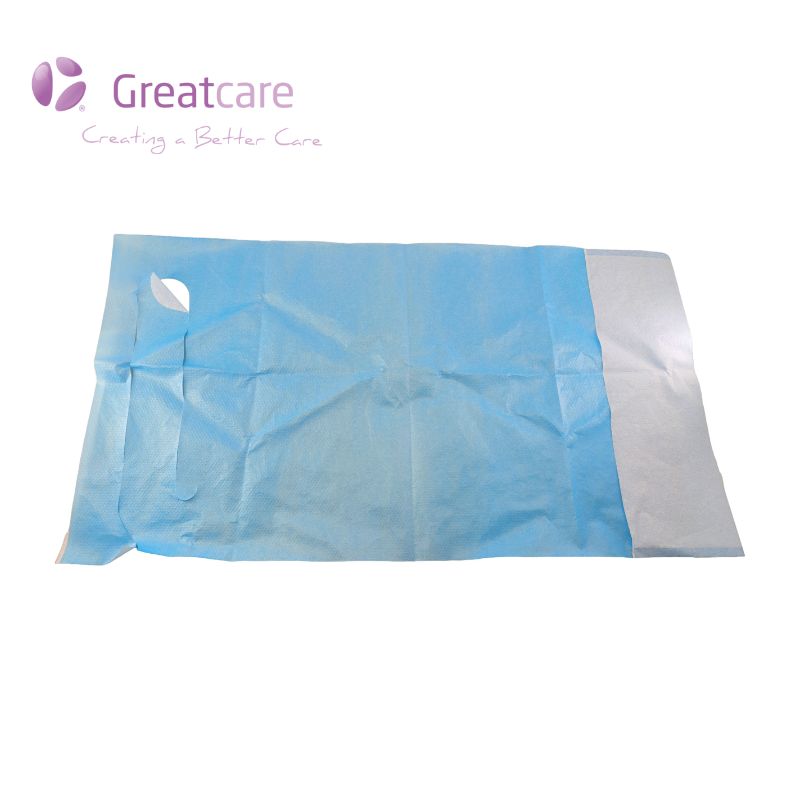
What Makes Non-Woven Apparel So Relevant in Healthcare Settings?
I often see buyers focus first on appearance or unit price, but the real value usually lies deeper. Disposable protective apparel made from non-woven materials is widely chosen because it helps support infection-control practices while remaining practical for high-frequency use. In environments where many people move in and out of treatment rooms, operating areas, inspection zones, or patient care units, a disposable solution can reduce the burden of laundering, sorting, and reprocessing traditional garments.
What stands out to me is that Non-Woven Apparel supports a straightforward operational model. Staff can wear it when needed, remove it after use, and maintain cleaner process separation between departments or tasks. For purchasing teams, that often means more predictable stock planning and less hidden maintenance cost.
- It helps support cleanliness in controlled or semi-controlled medical environments
- It is lightweight and easier to distribute in bulk
- It can improve workflow efficiency for temporary or high-turnover protective use
- It reduces dependence on repeated washing and garment reprocessing
- It suits a wide range of disposable protective applications
How Do Buyers Usually Choose the Right Disposable Protective Apparel?
I think the biggest mistake buyers make is treating all disposable garments as interchangeable. They are not. Different institutions prioritize different things. A hospital may care most about fluid resistance and comfort during long shifts. A clinic may focus on affordability and convenience. A distributor may need stable packaging formats, export-ready documentation, and a dependable production partner. A procurement decision works better when the buyer starts with use conditions rather than price alone.
Whenever I evaluate sourcing options, I like to break the process into several practical questions:
- Who will wear the product and for how long?
- Is the environment low-risk, medium-risk, or procedure-intensive?
- Does the team need breathability, splash resistance, or both?
- What sizing range and packaging style will fit the purchasing system?
- How important are documentation, labeling, and export support?
These are the kinds of questions that help buyers find the right Non-Woven Apparel solution rather than simply the cheapest one.
Which Product Features Actually Matter More Than the Lowest Price?
I understand why unit cost gets so much attention. In large-volume procurement, even a small price gap can look significant. Still, I have found that low price alone rarely creates the best long-term result. A garment that tears too easily, fits poorly, traps heat, or arrives inconsistently packed can create bigger operational problems than it solves.
The more useful way to compare suppliers is to look at total purchasing value. That includes not only the item cost but also consistency, ease of use, packaging efficiency, and user acceptance.
| Evaluation Factor | Why It Matters | Buyer Benefit |
|---|---|---|
| Material Quality | Influences softness, strength, and wear experience | Better comfort and fewer complaints from staff |
| Barrier Performance | Supports hygiene and protection in medical workflows | Helps align with usage requirements |
| Breathability | Reduces discomfort during longer wear periods | Improves user compliance and efficiency |
| Size and Fit Consistency | Prevents waste caused by poor usability | Smoother inventory use across teams |
| Packing Format | Affects storage, counting, and internal distribution | Simplifies warehouse and ward management |
| Supply Stability | Reduces disruption risk | Supports long-term procurement planning |
That is why I would never recommend judging Non-Woven Apparel on price alone. A professional buyer needs a product that works well after delivery, not just a quotation that looks attractive before the order is placed.
Why Does Comfort Matter So Much in Disposable Medical Wear?
Some people still assume disposable protective wear only needs to be functional. I disagree. If a gown, coat, or coverall feels too hot, too stiff, or too restrictive, staff will notice immediately. In fast-paced environments, discomfort affects movement, concentration, and overall compliance. A garment that looks acceptable on paper may still perform poorly if wearers keep adjusting it or want to remove it too soon.
Comfort matters because medical staff do real work in these products. They walk, bend, lift, examine, prepare, document, and move constantly. The right Non-Woven Apparel should support those motions instead of fighting against them. That usually comes down to a balanced combination of fabric structure, garment design, and practical sizing.
- Lightweight construction can improve mobility
- Softer material feel can make long wear easier
- Breathable design can reduce heat buildup
- Reasonable cut and sizing can support active work
- Reliable seam construction can reduce interruption during use
From a buyer’s perspective, comfort is not an extra feature. It is part of whether the product performs well in real conditions.
Can Disposable Apparel Help Facilities Control Hidden Operational Costs?
Yes, and I think this point is often underestimated. When I compare reusable garments with disposable options in certain medical or support settings, I do not just compare purchase cost. I also look at labor, sorting, laundry management, water use, storage cycles, replacement uncertainty, and contamination handling. Those hidden costs add up quickly.
In the right applications, Non-Woven Apparel can help simplify daily operations. It arrives ready to distribute, ready to wear, and ready to remove after use. That simplicity matters in environments where time, cleanliness, and process clarity are all important.
| Cost Consideration | Reusable Garments | Disposable Non-Woven Option |
|---|---|---|
| Cleaning Process | Requires repeated laundering and handling | No laundering workflow required after use |
| Turnaround Time | Depends on collection and washing cycles | Ready for immediate allocation |
| Cross-Use Management | Needs stronger sorting control | Easier single-use process separation |
| Inventory Planning | Can be harder to predict after repeated wear loss | Often easier to count and replenish by package |
| Labor Input | Higher ongoing handling requirement | Lower post-use handling burden |
That does not mean disposable apparel fits every scenario equally. It means buyers should evaluate the full operating picture before making procurement decisions.
What Challenges Do Global Buyers Face When Sourcing Non-Woven Apparel?
I hear the same concerns from importers and distributors again and again. They worry about inconsistent quality between batches, unclear communication, slow lead times, packaging errors, and limited support when they need a product adjusted for their market. Those are real concerns, especially in medical supply purchasing where trust matters more than slogans.
From my perspective, a dependable sourcing partner should make the buying process easier in five clear ways:
- Provide consistent product quality from batch to batch
- Communicate specifications clearly before production
- Offer practical support on packing, labeling, and shipment details
- Understand export-oriented documentation expectations
- Respond fast enough when buyers need updates or adjustments
This is where supplier professionalism becomes part of product value. Buyers are not only buying disposable garments. They are buying predictability, responsiveness, and lower procurement friction.
How Can the Right Supplier Support Better Purchasing Decisions?
I believe a strong supplier relationship should reduce uncertainty rather than add more of it. When I look at a company such as Ningbo GreatCare Trading Co., Ltd., what matters in purchasing logic is not just the product category itself, but the supplier’s ability to understand medical-use expectations and support buyers with a clear, organized transaction process.
A good supplier should help buyers move from general inquiry to accurate ordering with fewer revisions. That includes helping confirm product scope, usage direction, size options, packing requirements, and commercial details before the order becomes a problem. For international buyers, that level of preparation often saves far more time than negotiating a tiny price difference.
I would summarize the ideal supplier contribution like this:
- Translate product needs into workable order specifications
- Keep communication practical and direct
- Support repeat orders with consistent execution
- Understand the priorities of medical and healthcare purchasing teams
- Help buyers avoid preventable procurement mistakes
In a crowded market, that kind of support can make one Non-Woven Apparel supplier much more valuable than another.
Why Are More Buyers Looking for Flexible Applications Instead of One-Use Thinking?
I have seen a shift in the way buyers talk about disposable protective wear. They are no longer asking only whether a product is suitable for one isolated task. They are asking whether it can support broader use across different departments and routine operations. That kind of flexibility matters because procurement teams want fewer fragmented SKUs and more practical options that can fit daily workflows.
Depending on configuration and intended use, Non-Woven Apparel may be considered for a variety of healthcare-related and support scenarios, such as:
- General clinical protection
- Visitor and staff hygiene support
- Inspection and laboratory environments
- Routine ward and care-area use
- Temporary protective distribution during high-demand periods
When a product category can serve multiple operational needs, buyers often gain better stock efficiency and a simpler replenishment model.
What Should a Buyer Ask Before Sending an Inquiry?
I always recommend that buyers make their first inquiry more specific. A vague request usually leads to unnecessary back-and-forth. A clear inquiry saves time for both sides and makes quotations more meaningful.
Before you contact a supplier about Non-Woven Apparel, I suggest preparing the following points:
| Question to Prepare | Why It Helps |
|---|---|
| What application will the product be used for? | Helps match the right material and garment style |
| What sizes or dimensions are required? | Improves quotation accuracy and user suitability |
| What packaging format do you prefer? | Supports warehouse and resale planning |
| Do you need private label or custom packing details? | Clarifies commercial scope early |
| What quantity and delivery timing do you expect? | Helps evaluate supply feasibility and planning |
| What market or channel will the product serve? | Improves alignment on compliance and documentation needs |
In my experience, better questions lead to better supplier responses. That is one of the simplest ways to improve purchasing efficiency from the start.
Why Does This Product Category Continue to Grow in Importance?
The answer is practical rather than dramatic. Healthcare organizations and distributors need disposable protective solutions that are easier to manage, easier to scale, and easier to adapt across changing demands. Buyers are under pressure to control costs, maintain standards, and avoid supply disruption at the same time. That combination makes Non-Woven Apparel a relevant category for today’s procurement environment.
I see its growing importance coming from four real advantages:
- It supports cleaner, simpler single-use workflows
- It can reduce hidden handling and maintenance costs
- It offers practical comfort for many day-to-day applications
- It fits the purchasing need for stable, scalable disposable protection
For buyers who want a balance of functionality, usability, and sourcing efficiency, this category deserves serious attention.
How Can You Move Forward with More Confidence?
If you are reviewing sourcing options for disposable medical protection, this is the right time to look more closely at what a professional supplier can really offer beyond a simple quotation. I believe the best purchasing result comes from matching product performance, application fit, and supply reliability in one decision rather than treating them as separate issues.
Ningbo GreatCare Trading Co., Ltd. is well positioned for buyers who want to explore dependable solutions in this field and discuss the right direction for their procurement needs. If you are looking for a practical supplier conversation about Non-Woven Apparel, now is a good time to take the next step. Contact us today to discuss your target market, required specifications, packaging preferences, and order plan. Leave your inquiry now, and let us help you find a more efficient and more reliable solution for your next purchase.